
For the First Time in History, Oman Oil Crosses $150 per Barrel
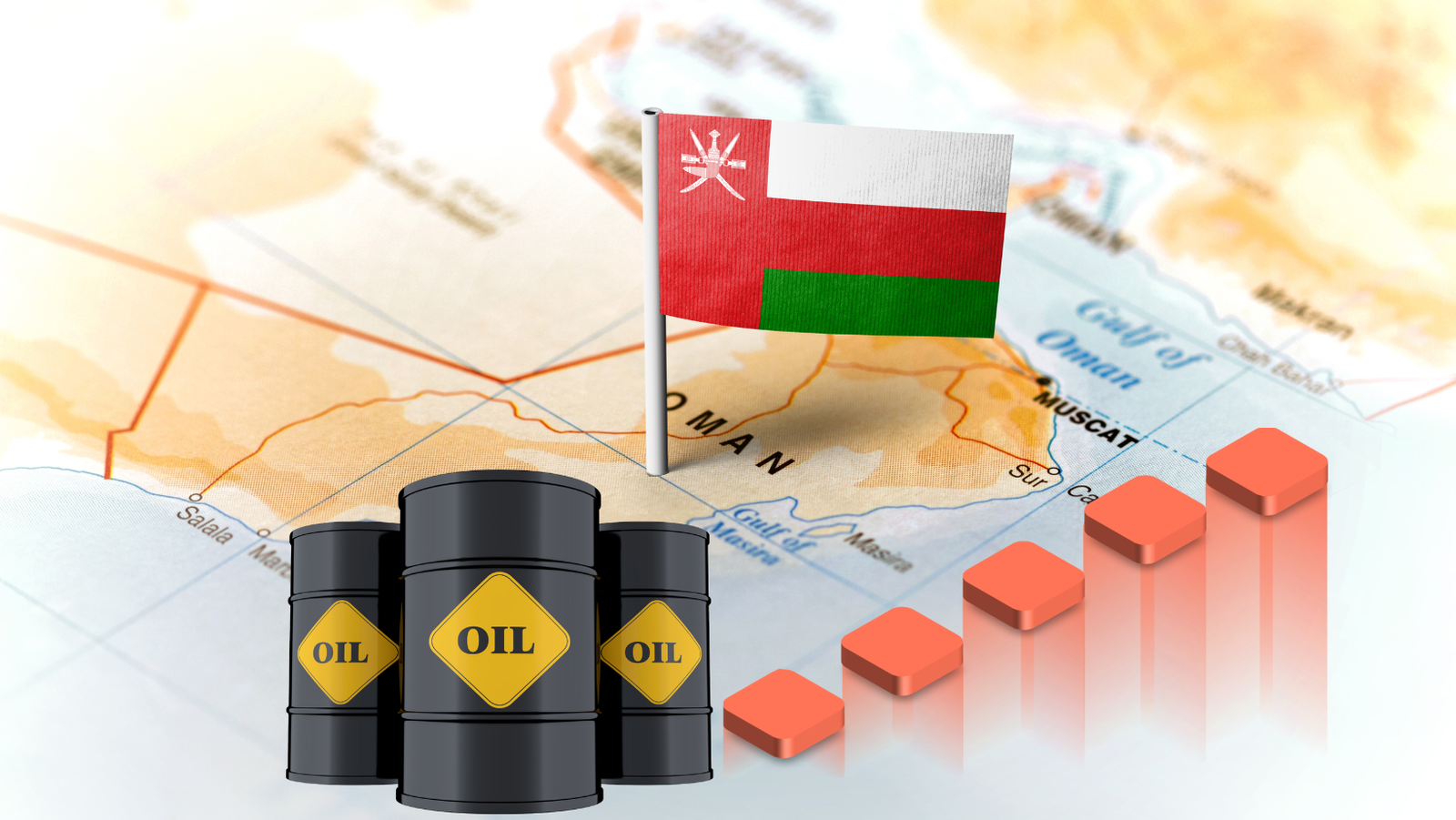
Oman Oil Prices Surge as Global Supply Disruptions and Middle East Tensions Escalate
Muscat – In a historic milestone for the global energy market, the official price of Oman Crude for May delivery soared past $150 per barrel on Tuesday, March 17, 2026, settling at approximately $152.58, up $4.79 from the previous session. This marks the first time in history that Oman oil has crossed the $150 threshold, reflecting deepening supply disruptions and mounting geopolitical risks in the Middle East.
The surge in Oman crude pricing is part of a broader spike in Middle Eastern oil benchmarks, as geopolitical instability and logistical bottlenecks sharply tighten physical supply. Dubai crude, another key regional benchmark, also hit historic highs, trading above $153 per barrel. This price action is fueling significant concern among importers and traders worldwide.
What Is Driving the Historic Price Surge
Several key factors are behind the dramatic rise in Oman oil prices:
1. Strait of Hormuz Disruption
The closure or effective disruption of the Strait of Hormuz, a vital chokepoint through which roughly 20% of the world’s oil and liquefied natural gas normally transit, has severely cut Middle Eastern exports. Recent data shows oil exports from Gulf producers dropped sharply — down as much as 60% — due to blocked routes, operational shutdowns, and security risks linked to the ongoing regional conflict.
2. War‑Related Supply Shocks
The ongoing third week of military conflict involving the US, Israel, and Iran has hit energy infrastructure and tanker routes hard, forcing producers to divert, delay, or cancel shipments. Attacks on export terminals such as the Fujairah port in the UAE and other facilities have compounded the supply crunch.
3. Elevated Risk Premiums
Even as some oil benchmarks like Brent and WTI trade lower than Middle Eastern benchmarks, markets are pricing in unusually high risk premiums — a reflection of fears over prolonged oil export disruptions and long‑term supply instability. Regional crude premiums to swaps, especially on Dubai and Oman grades, have ballooned, underscoring the depth of the market disruption.
4. Global Strategic Reserve Releases
In response to rising energy prices and supply strain, members of the International Energy Agency (IEA) have released emergency oil reserves in an attempt to stabilize markets. The 400 million barrels pledged by IEA member countries is the largest such release in history, but market watchers warn this action may only provide short‑term relief and not counteract the structural supply shortfall caused by the crisis.
Regional Supply Dynamics and Middle East Oil Markets
The surge in Oman oil prices is not occurring in isolation. Multiple indicators point to an unprecedented strain on oil markets originating in the Gulf:
- Exports Plunge: Key oil exports through the Strait of Hormuz have fallen dramatically, as shipping routes have been disrupted by conflict‑related threats and maritime hazards.
- Benchmark Disruption: Middle Eastern oil benchmarks, including Oman and Dubai, have reached record levels, often trading well above Brent and WTI benchmarks as supply tightness impacts regional grade availability and premium valuations.
- Physical and Futures Markets: The divergence between physical crude prices and futures benchmark contracts signals underlying market stress, as traders pay extra for prompt delivery barrels amid scarce supply.
Analysts have warned that this supply shock is one of the most significant disruptions in oil markets in decades, with the strait’s partial or full closure reminiscent of major historic crises.
Global Energy Market Reaction
The surge in Oman crude prices has wider global implications:
- Brent and WTI Movements: While Brent crude has risen above $103 per barrel in recent trading and U.S. WTI has climbed sharply as well, their levels still trail Middle Eastern benchmarks, reflecting differential regional supply pressures.
- Inflationary Pressures: Higher oil prices feed into global inflation via increased fuel and transportation costs. Many governments may face pressure to adjust fiscal and monetary policies if elevated energy costs persist.
- Strategic Reserve Releases: Several wealthy nations have already pledged record releases from petroleum reserves in an effort to calm markets, signaling how severe the supply crisis is perceived.
Economists are warning that unless the disruptions affecting Gulf oil and gas exports ease, global energy prices will remain elevated, with knock‑on effects on transportation costs, industrial activity, and inflation.
Impact on Asian and Import‑Dependent Countries
Asian economies are among the most exposed to rising Oman oil prices, given their heavy reliance on Middle Eastern crude. Several major Asian refiners have reported cutting refinery throughput as supply from the Gulf has tightened, and fuel price inflation is also accelerating in domestic markets.
For countries like China, India, Pakistan, and others with significant oil import needs from the Gulf, the sudden price spike could compress trade balances and widen current account deficits if sustained.
Economic and Strategic Implications for Oman
For oil‑producing nations like Oman, elevated crude prices can bring both benefits and challenges:
Fiscal Windfall vs. Economic Balance:
High oil prices boost government revenue, especially in a hydrocarbon‑dependent economy. However, they may also introduce inflationary pressures domestically and magnify the logistical and infrastructural stress of export operations. Omani policymakers will need to balance revenue gains with strategic economic planning, particularly given efforts to diversify the economy away from heavy reliance on oil revenues.
While Oman participates in production adjustment agreements through OPEC+ to manage global supply, the current price environment is driven more by supply disruption than traditional output cuts.
What Analysts Are Watching Next
Market observers are monitoring a range of indicators that could shape future oil price trends:
- Status of Strait of Hormuz: The level of disruption and the duration of restricted transit through this choke point remain key determinants of future crude pricing.
- Conflict Dynamics: Continued or escalated conflict in the Gulf region could worsen supply bottlenecks.
- Global Reserve Responses: Further strategic reserve releases or diplomatic efforts to restore export routes could ease volatility.
Conclusion
The historic achievement of Oman oil crossing $150 per barrel reflects the most severe supply disruption in recent energy market history, driven by conflict‑related export bottlenecks and heightened geopolitical risk. With global oil benchmarks and regional prices at record levels, the implications extend far beyond the Middle East, influencing inflation, trade balances, and economic outlooks worldwide.
As the situation continues to unfold, regional producers, importing nations, and market participants alike will be closely watching developments that could either stabilize or further strain global energy markets.