
Ali Larijani Killed in Israel Strike Amid US‑Iran Conflict
What Happened in the Ali Larijani Killed in Israel Strike Amid US‑Iran Conflict
Israel’s defence minister has confirmed that Ali Larijani was killed in an Israeli strike amid the US‑Iran conflict, marking one of the most dramatic frontline shifts since the full‑scale outbreak of hostilities this month. The announcement on March 17, 2026, states that Larijani, Iran’s top national security official and Secretary of the Supreme National Security Council, was eliminated in a precision strike in Tehran alongside another senior commander.
According to Israeli officials, Larijani was targeted late on March 16 during coordinated overnight air operations in and around Iran’s capital. Defence Minister Israel Katz said the strike was based on intelligence identifying Larijani’s location at a residential site in Tehran. The Israeli military also claimed that Gholamreza Soleimani, commander of the Basij paramilitary force, was killed in the same set of strikes. Iranian authorities have not yet confirmed either casualty figure.
The Context of the Strike and Immediate Reactions
The strike comes amid an intense escalation in what is now a full‑blown US‑Israel conflict with Iran that has drawn in multiple regional actors and seen extensive missile, air, and drone exchanges. Israeli officials say their operations aim to dismantle what they describe as Iran’s strategic military and operational leadership rather than indiscriminately targeting civilians.
Iran’s government has not responded publicly to the report of Larijani’s death. Independent verification is still pending, and some reports note that in active conflict zones reliable confirmation often trails initial claims by hours or days. Meanwhile, Iran’s armed forces have continued missile and drone retaliatory strikes into neighbouring states and against Israeli facilities.
Regional powers and global capitals have reacted with alarm to the news of Larijani’s reported death. Some are urging restraint to avoid a broader conflagration, even as political and military support for both sides remains sharply divided.
Who Was Ali Larijani and Why His Death Matters
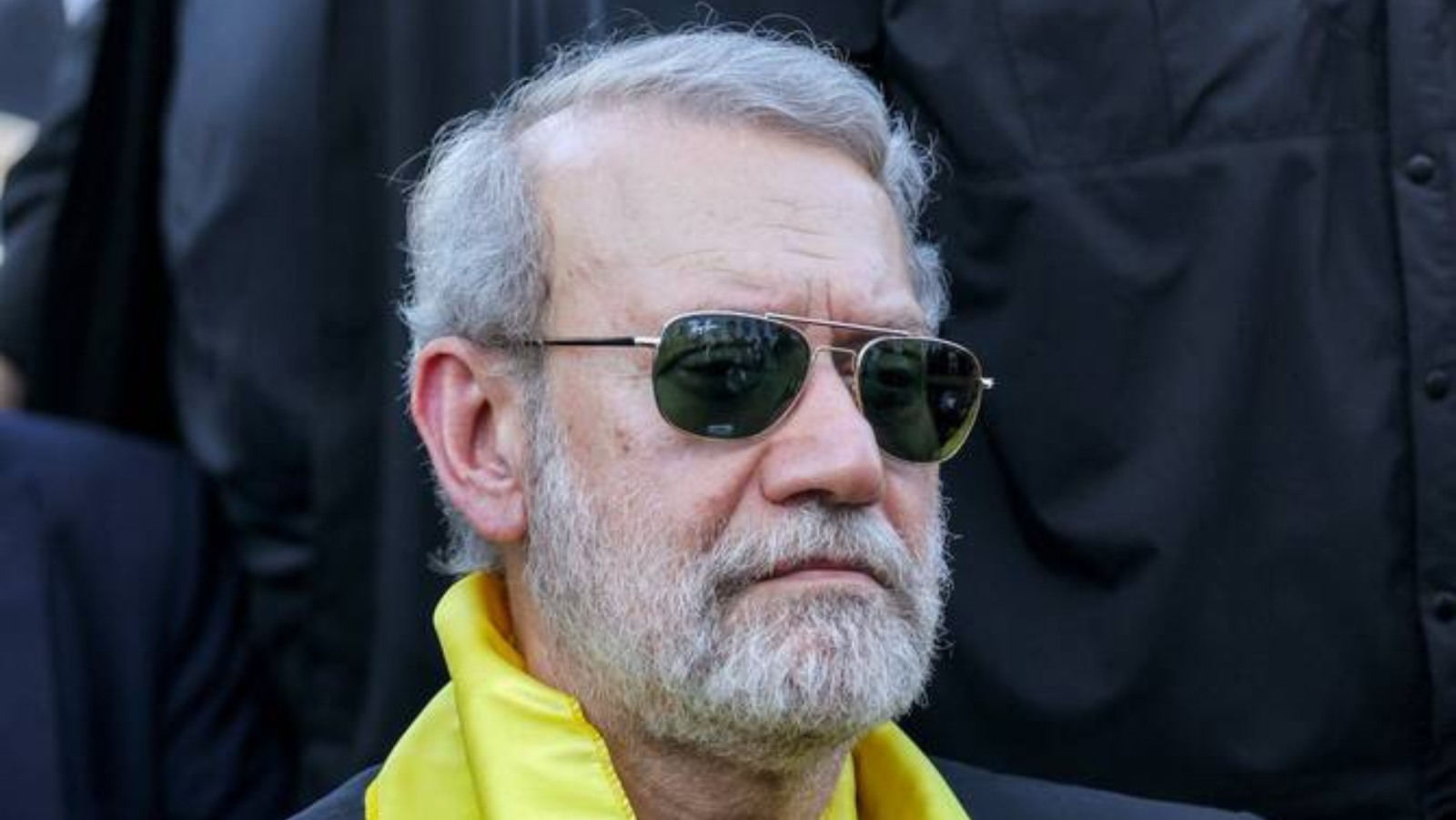
Ali Larijani was a longstanding figure in Iranian politics and national security. He was appointed Secretary of the Supreme National Security Council in August 2025 and was seen as one of the central architects of Iran’s strategic posture in the ongoing conflict with Israel and its Western allies. Larijani often spoke publicly about Iran’s security doctrine and was among the country’s most visible leaders since the start of the war.
Before assuming the security council post, Larijani held several senior roles within the government and was also involved in nuclear negotiations with global powers. After the reported assassination of Iran’s Supreme Leader earlier this year, Larijani had emerged as a prominent voice in shaping Iran’s military and foreign policy amid escalating hostilities. His loss — if confirmed — could significantly disrupt Iran’s command structure at a critical juncture.
Regional Escalation and Military Developments
The strike occurs as military tension across the Middle East has surged. Iran has launched multiple missile and drone attacks against Israeli territory and Gulf states, even as it continues to absorb sustained US‑Israel bombardment of strategic targets deep within Iranian territory.
Israel has also extended operations against Iranian proxy groups, including reported strikes on Hezbollah infrastructure in Lebanon and other allied militia sites across the region. These actions reflect the widening scope of the conflict and the strategic priority placed by the US‑Israel alliance on neutralizing leadership figures and military command networks.
Analysts say the death of Larijani, one of Tehran’s most senior security architects, could shake Iran’s ability to coordinate rapid military and diplomatic responses, forcing rapid internal adjustments that may affect the trajectory of the conflict.
Global Diplomatic Reactions
International reaction to the news has been swift and measured. Several countries have expressed apprehension that removing high‑ranking officials could escalate tensions further and potentially draw additional states into direct confrontation. Some diplomatic missions are reportedly intensifying efforts to quell broader regional instability.
China, among other global powers, has called for a reduction in violence and a return to negotiated dialogue, warning that wider escalation could have serious humanitarian and economic consequences. Observers remind global leaders that continued conflict could disrupt regional trade and energy pathways critical to the world economy.
Implications for Iran’s Leadership and Future Strategy
If confirmed, the death of Ali Larijani would represent a major blow to Iran’s national security leadership. As a key strategist and senior advisor, his absence could create challenges for internal decision‑making and operational coherence. Emerging figures within Iran’s security establishment may face immediate pressure to fill the leadership void and steer policy direction in the midst of ongoing conflict.
The loss of a figure with Larijani’s experience and influence may also harden Iran’s response, potentially making negotiations more complex and delaying diplomatic engagement at a time when the risk of wider escalation remains high.
Regional Stability and Global Consequences
The reported killing of Larijani has amplified fears of an expanded regional conflict. Neighbouring states are closely monitoring developments, as escalatory cycles between Iran and Israel have the potential to spill over into adjacent countries, especially those with significant strategic interests in Gulf security.
Global oil markets have already reacted to rising instability, with crude prices remaining elevated amid supply concerns tied to the conflict. Energy infrastructure disruptions and the potential for blockades or attacks on shipping routes like the Strait of Hormuz have triggered wider economic anxieties.
What Comes Next
At this moment, confirmation from Iranian authorities remains absent. Military and intelligence assessments continue to evolve, with reports from various outlets differing on the immediate outcomes. What is clear is that the reported death of Ali Larijani killed in Israel strike amid US‑Iran conflict represents a pivotal moment in a war that has already reshaped regional geopolitics.
The world now watches closely as diplomatic, military, and economic repercussions unfold. Both sides publicly emphasize resolve, and experts warn that the next phase of the conflict may be decisive for the future security architecture of the Middle East.
Hi there! This post couldn’t be written any better! Reading through this post reminds me of my previous room mate! He always kept talking about this. I will forward this article to him. Pretty sure he will have a good read. Thank you for sharing!