
Pakistan Airstrike Hits Kabul Hospital, Afghan Taliban Claims 400 Dead
Afghanistan Says Pakistan Strikes Drug Rehab Center, Pakistan Denies Civilian Casualties Amid Rising Tensions
At least 400 people were reportedly killed and 250 injured in an airstrike by Pakistan on a drug rehabilitation hospital in Kabul, Afghanistan, according to a Taliban government spokesperson on March 16, 2026. The attack marks a severe escalation in cross-border hostilities between Pakistan and Afghanistan, which share a 2,600-kilometer border.
The alleged strike targeted the state-run Omid Hospital, a 2,000-bed facility providing drug rehabilitation services and vocational training. Afghan authorities described the scene as catastrophic, with buildings destroyed, personal belongings scattered, and bodies trapped under rubble.
“When I got there last night, the entire building was engulfed in flames, and people were trapped in the chaos,” said ambulance driver Haji Fahim “Early this morning they called me again to return because there are still bodies under the debris.”
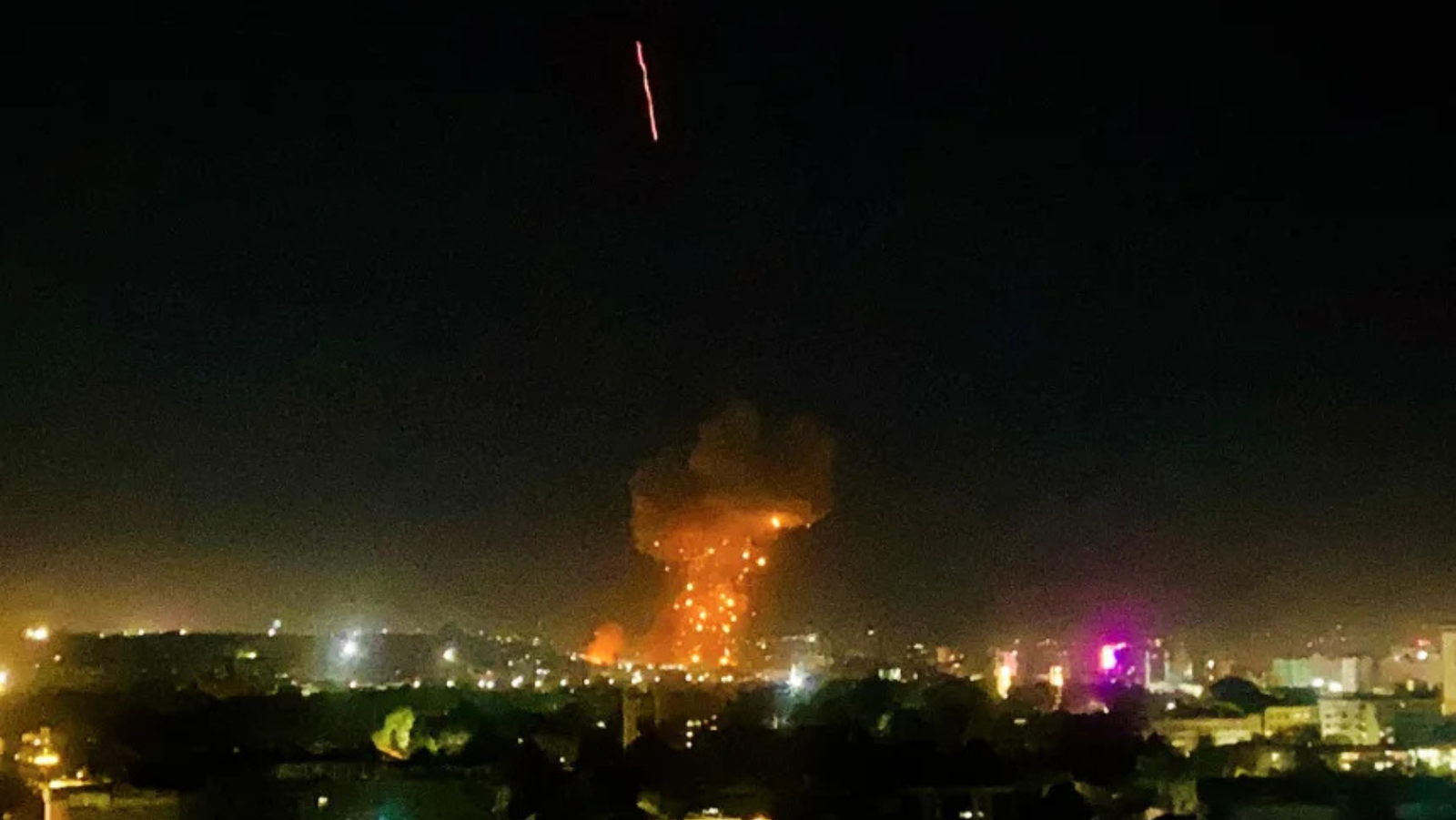
Rescue teams were deployed to contain fires and recover victims. Photographs and videos from the site showed thick smoke rising from the hospital, with some sections engulfed in flames, while other parts were reduced to wreckage. Local medical staff struggled to treat survivors, and makeshift clinics have been set up nearby to handle the influx of injured patients.
Pakistan Rejects Civilian Casualty Claims
The Pakistani Information and Broadcasting Ministry rejected the Taliban’s claims, calling them “false and misleading.” Islamabad stated that the airstrikes precisely targeted military installations and militant support infrastructure, including technical equipment and ammunition storage used by Taliban and allied militants allegedly launching attacks on Pakistani civilians.
“Pakistan’s targeting is precise and carefully undertaken to ensure no collateral damage,” a ministry post said. “This misreporting of a drug rehabilitation facility seeks to stir sentiments and mask the legitimate operations against cross-border terrorism.”
Officials emphasized that Pakistan’s strikes were conducted only against military objectives, denying that civilians were targeted. However, independent verification of casualties remains difficult due to limited access to the strike site and ongoing security concerns.
Rising Regional Tensions
The escalation follows previous clashes last month, when Pakistani airstrikes targeted Afghan territory reportedly harboring militants. Afghanistan called the strikes a violation of its sovereignty, asserting that the attacks targeted civilians. Both sides claim to have inflicted damage on the other, but independent confirmation is lacking.
The conflict occurs amid wider regional instability, including ongoing U.S.-Israeli operations against Iran and Tehran’s retaliatory measures in the Middle East. These overlapping crises have heightened tensions across South Asia and the Gulf, affecting security and energy markets, and creating broader humanitarian implications for millions living near conflict zones.
China has urged both Pakistan and Afghanistan to avoid further escalation and return to the negotiating table. Diplomatic efforts remain ongoing to de-escalate the situation, but fresh airstrikes have strained the fragile peace process. Neighboring countries have expressed concerns about the potential for spillover violence along the border.
Humanitarian Impact and Survivors
Omid Hospital was a vital facility for Afghanistan, providing rehabilitation services to drug-dependent patients and vocational training to reintegrate individuals into society. Survivors and hospital staff describe a scene of chaos, with limited resources available to care for the wounded.
Local residents reported that smoke and fire spread across nearby streets, forcing families to evacuate. “We have never seen destruction like this,” said one local volunteer, requesting anonymity. “Those inside the hospital, along with local residents, are in shock and fear, with several children and elderly reported missing or hurt.”
International humanitarian organizations have raised alarms over the increasing civilian toll in Kabul. Emergency medical teams report being unable to reach the affected hospital quickly due to ongoing clashes and restricted movement around military target zones.
International Reactions
The UN Special Rapporteur for human rights in Afghanistan, Richard Bennett, expressed deep concern over reports of civilian casualties. “My condolences. “I call on all sides to reduce tensions, act with utmost caution, and uphold international law by safeguarding civilians and civilian facilities like hospitals,” Bennett stated.
Human rights groups emphasized that hospitals, schools, and civilian infrastructure must remain protected under international humanitarian law. Aid agencies warned that further strikes could trigger mass displacement, food insecurity, and a public health crisis in Kabul.
China reiterated its readiness to mediate between Pakistan and Afghanistan to prevent further escalation. Diplomatic envoys have called for both sides to return to dialogue and avoid civilian harm, highlighting the need for transparency regarding the airstrike and accurate casualty reports.
Historical Context
Pakistan and Afghanistan share a long history of border disputes, cross-border militancy, and fragile security arrangements. Recent tensions were exacerbated by alleged militant attacks on Pakistani soil originating from Afghan territory, prompting Islamabad to conduct targeted operations.
The Omid Hospital strike, whether accidental or intentional, underscores the fragile balance between military objectives and civilian safety. Analysts warn that unchecked retaliatory actions may escalate the conflict into a broader regional crisis, affecting neighboring countries and international security.
Response from Afghan Authorities
Afghan officials continue to call for international investigation into the airstrike. Taliban spokespersons have demanded accountability and urged Pakistan to halt military operations targeting civilian infrastructure. “We will not remain silent while our citizens are attacked,” said the spokesman.
Hospitals across Kabul are facing an urgent need for medical supplies, blood donations, and trauma care units to accommodate the growing number of casualties. Relief organizations are coordinating with local authorities to establish temporary medical facilities and provide psychological support to survivors and families.
Conclusion
The airstrike on Omid Hospital has left hundreds dead and injured, amplifying tensions between Pakistan and Afghanistan. With ongoing regional instability and overlapping conflicts in South Asia and the Middle East, humanitarian concerns continue to rise. International bodies and diplomatic actors are urging restraint and transparency, emphasizing that civilian safety must remain a top priority amid military operations.
The situation remains fluid, and further updates are expected as rescue teams continue recovery efforts and authorities investigate the extent of the damage.

You completed a number of fine points there. I did a search on the matter and found mainly persons will consent with your blog.