
Oil Prices Rise Over 2 Percent as Iran War Disrupts Global Supply
Oil Prices Rise Over 2 Percent Amid Iran War Disruptions
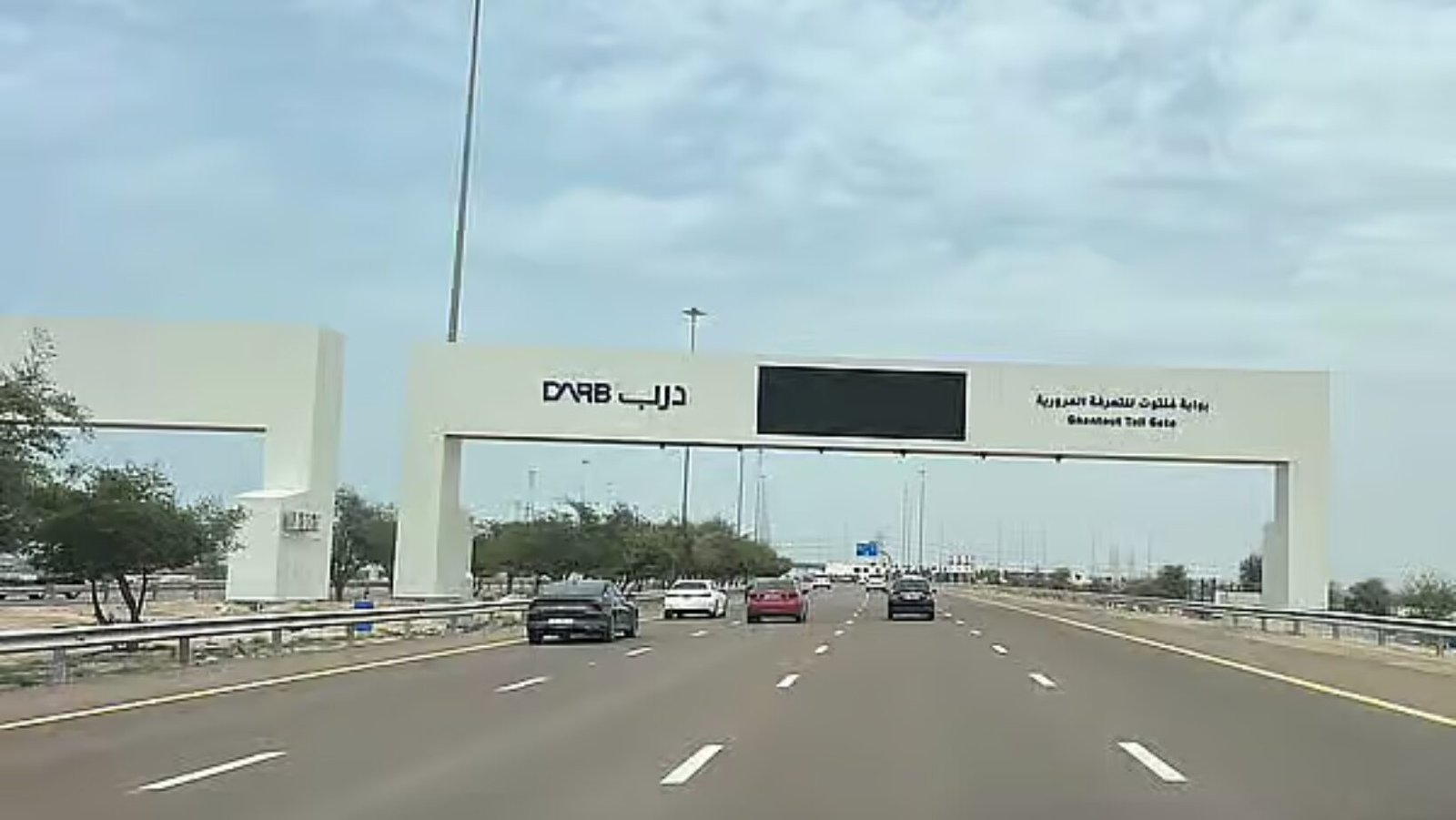
LONDON March 17 2026 Oil markets surged more than two percent on Tuesday as concerns over global supply intensified following the escalation of the US Israeli conflict with Iran. The Strait of Hormuz a vital chokepoint for crude and liquefied natural gas exports has been largely disrupted raising alarm across energy markets worldwide.
Brent crude jumped two dollars seventy four cents or two point seven percent to one hundred two dollars and ninety five cents per barrel while US West Texas Intermediate rose two dollars forty five cents or two point six percent to ninety five dollars and ninety five cents reversing part of the previous day’s losses. Analysts say the two percent increase highlights traders mounting fears of supply shortages and rising geopolitical risks in the Middle East.
Supply Disruptions Trigger Price Surge
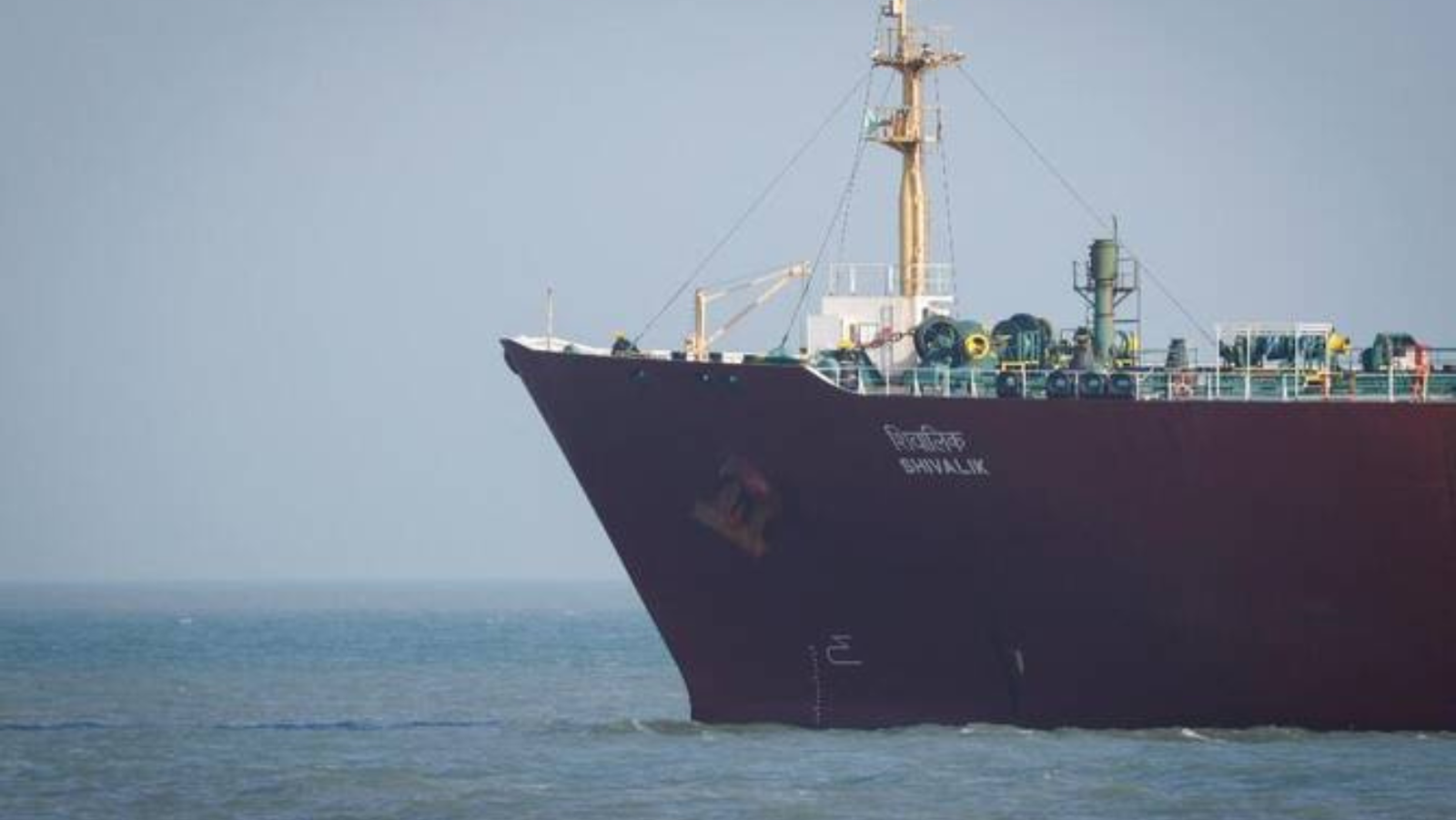
The ongoing war has created severe interruptions in the Strait of Hormuz through which roughly twenty percent of the world’s oil flows. Tankers are either delayed or rerouted due to security threats including missile attacks and drone strikes.
The risks remain stark said IG Markets analyst Tony Sycamore. It only takes one missile or mine on a passing tanker to trigger a full blown supply disruption. Markets are reacting to that two percent jump as a reflection of real risk.
The US President Donald Trump called on allies to send warships to secure tanker routes but several nations including Japan Australia and European partners refused to participate citing logistical and constitutional limitations.
Strait of Hormuz Global Supply Lifeline
The Strait of Hormuz is a critical artery for oil exports from the Gulf and its partial closure has sent shockwaves across international markets. Analysts warn that prolonged disruption could create further price spikes while even minor incidents could exacerbate market volatility.
The disruption has forced countries like the UAE to reduce production cutting output by more than half in some fields. Oil producers are scrambling to adapt while consumers face the possibility of higher energy bills and inflationary pressures.
Market Volatility and Investor Response
Investors are closely monitoring developments as oil prices continue their upward trajectory. The two percent rise is not only a reaction to immediate supply concerns but also a signal of heightened market anxiety over prolonged geopolitical instability.
Uncertainty is driving volatility said Priyanka Sachdeva senior market analyst at Phillip Nova. Markets are fixated on the duration of the conflict and halted supply at Hormuz which directly explains the two percent surge in prices.
Shipping and Trade Under Pressure
Global shipping is facing unprecedented challenges due to blocked sea routes. Tankers are either waiting for clearance or taking longer alternative paths increasing costs and delaying delivery schedules.
This bottleneck is affecting industries worldwide including energy intensive sectors such as manufacturing and transportation. Analysts warn that prolonged disruptions could translate into broader economic consequences with the two percent oil price jump being an early indicator of global ripple effects.
Impact on Middle East Oil Producers
Energy companies in the Gulf including UAE and Qatar have been forced to suspend or limit operations. TotalEnergies reported reduced output reflecting the broader regional impact on oil production. The supply shortage from these fields contributes directly to the two percent increase in global prices.
Producers outside the immediate conflict zone are experiencing surging demand for their exports reshaping global energy flows and creating winners and losers across markets.
Global Economic Implications
Rising oil prices like the two percent surge seen today have immediate repercussions for inflation trade costs and consumer spending. Higher energy costs affect everything from transport to manufacturing creating a chain reaction across economies.
Central banks and governments are monitoring the situation closely with some considering strategic oil releases or diplomatic intervention to stabilize prices. Any sustained increase above two percent could affect economic recovery and global inflation targets.
Calls for International Coordination
Global organizations and energy policymakers are urging collaborative measures to reduce market pressure. Options include releasing strategic reserves coordinating production levels among OPEC plus members or negotiating safe passage for tankers.
While such steps could mitigate some supply concerns analysts caution that the effectiveness depends entirely on the duration and intensity of ongoing military activity in the region.
Outlook Remains Uncertain
With the two percent price increase underscoring the sensitivity of oil markets uncertainty is likely to persist. Prices could spike further if the Strait of Hormuz remains disrupted or if additional military incidents occur.
Any signs of easing tensions may bring temporary relief but the underlying risk remains. Energy markets are expected to remain highly reactive with volatility continuing to influence global supply chains and economic forecasts.
Key Takeaways
- Oil prices rose over two percent due to Iran war disruptions
- Strait of Hormuz a critical chokepoint remains partially closed
- US allies declined Trump’s call for naval escort increasing market uncertainty
- UAE and Gulf producers reduced output tightening supply
- Global shipping trade and inflation face immediate impacts
- Strategic interventions and diplomacy could stabilize markets but volatility remains high

whoah this blog is magnificent i like studying your articles. Stay up the great paintings! You know, a lot of persons are searching around for this info, you could aid them greatly.