Saudi Crown Prince Warns Iran Attacks Escalating Again
Saudi Crown Prince Warns Iran Attacks Escalating Again in Gulf
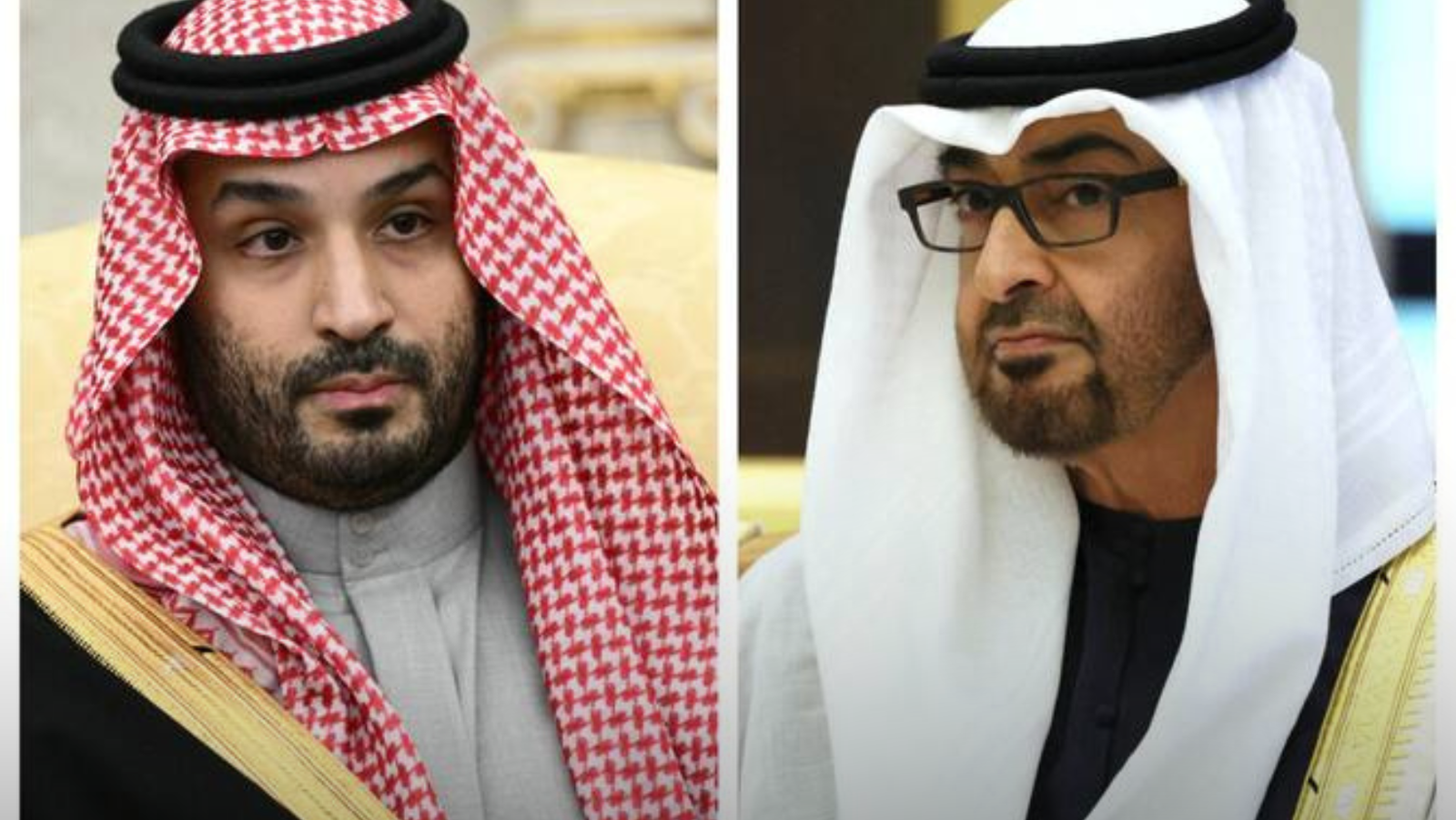
Growing tensions in the Gulf region have prompted strong warnings from regional leaders after continued missile and drone attacks linked to the ongoing conflict. During a high-level phone conversation, Mohammed bin Salman, Crown Prince of Saudi Arabia, and Mohamed bin Zayed Al Nahyan, President of the United Arab Emirates, discussed the worsening situation and expressed concern about the growing threat to regional security.
According to official statements released after the call, the two leaders described the ongoing attacks as a dangerous development that could further destabilize the Middle East. They emphasized the importance of cooperation among Gulf nations and reaffirmed their commitment to defending their territories against any threats.
The discussion came at a time when several Gulf countries have been facing repeated drone and missile incidents linked to rising tensions involving Iran and regional conflicts.
Officials familiar with the conversation said both leaders stressed that the security of the Gulf region remains a top priority. They agreed that member states of the Gulf Cooperation Council would continue coordinating their defense efforts to ensure the safety of their populations and protect vital infrastructure.
During the call, both leaders highlighted the importance of unity among Gulf nations in confronting emerging threats. They noted that cooperation in intelligence sharing, air defense coordination, and emergency response is essential to maintaining stability in the region.
The Saudi crown prince warns Iran attacks escalating again message was part of a broader effort by Gulf leaders to address the increasing frequency of aerial threats targeting cities, ports, and transportation hubs.
Recent incidents have included drone interceptions, missile strikes, and security alerts affecting several countries across the Gulf. Authorities have reported attacks targeting energy facilities, airports, and other strategic locations.
Officials say these developments demonstrate how quickly the regional security environment can change when conflicts expand beyond traditional battlefields.
Military analysts explain that drone warfare has become a key tool in modern conflicts because unmanned aircraft can be launched quickly and in large numbers. These systems can travel long distances and are capable of targeting both military and civilian infrastructure.
Because of this growing threat, many Gulf countries have strengthened their air defense systems and increased surveillance across their territories.
During the conversation between the two leaders, both sides emphasized that Gulf countries would use all available capabilities to protect their territories if necessary. They also reaffirmed their determination to maintain stability and security across the region.
The leaders acknowledged that regional tensions have increased significantly since the escalation of conflict earlier in the year. Several countries have reported hundreds of drone and missile interceptions in recent weeks.
Defense officials say these incidents highlight the importance of maintaining strong defensive systems capable of detecting and neutralizing aerial threats.
Gulf Leaders Call for Stability as Iran Denies Responsibility
The political discussion between the Saudi and Emirati leaders came shortly after statements from Iran’s diplomatic representatives addressing the accusations related to the attacks.
Iran’s ambassador in Saudi Arabia suggested that other actors might be responsible for some of the drone operations taking place in the region. The ambassador claimed that drones resembling Iranian models could be used by opposing forces attempting to shift blame toward Tehran.
According to the statement, these drones were allegedly designed to appear similar to Iranian-made systems in order to create confusion about their origin.
The ambassador also argued that Iran’s military operations were directed only toward specific targets connected to its adversaries in the region. However, critics have questioned these claims, pointing out that repeated drone and missile incidents have affected several Gulf countries.
Security analysts note that even when attacks are aimed at military targets, nearby civilian infrastructure can still be placed at risk due to the destructive nature of modern weapons.
Because of this, regional leaders have repeatedly stressed the need to protect civilian populations and critical facilities such as airports, energy infrastructure, and shipping ports.
Authorities across the Gulf have reported a large number of aerial threats since the escalation of tensions began earlier this year.
Regional defense sources indicate that thousands of missiles and drones have been launched toward Gulf territories since the conflict intensified in late February. These incidents have targeted a wide range of locations, including transportation hubs, oil facilities, and residential areas.
Air defense systems across the region have been heavily engaged during this period, intercepting incoming threats before they could reach their targets.
International attention has also focused on the situation as governments and diplomatic organizations monitor the possibility of further escalation.
At the global level, discussions have taken place within the United Nations Security Council regarding the rising tensions and the potential risks to international peace and stability.
Diplomatic sources say many countries have expressed concern about the impact of continued attacks on the wider Middle East region. Several governments have called for restraint and urged all parties involved to reduce hostilities.
A recent resolution adopted by the Security Council called for an immediate halt to the attacks and encouraged diplomatic efforts aimed at preventing further escalation.
Supporters of the resolution argued that continued missile and drone strikes could increase the risk of a broader conflict affecting multiple countries.
Regional leaders have echoed similar concerns, warning that prolonged instability could have serious consequences for economic security, energy markets, and civilian safety.
For countries in the Gulf, maintaining regional stability remains a major priority. The area hosts critical shipping routes, major oil infrastructure, and some of the world’s busiest aviation corridors.
Any prolonged conflict could disrupt these systems and affect global trade and energy supplies.
This is why the conversation between Mohammed bin Salman and Mohamed bin Zayed Al Nahyan focused heavily on coordination between Gulf states.
Both leaders agreed that maintaining strong partnerships and collective defense arrangements is essential to preventing further instability.
As tensions continue, security forces across the region remain on high alert, monitoring potential threats and strengthening defensive measures.
The statement that Saudi crown prince warns Iran attacks escalating again reflects growing concern among Gulf leaders that the current situation could deteriorate further if diplomatic efforts fail to reduce tensions.
While diplomatic channels remain open, regional governments are continuing to prepare for possible security challenges as the situation evolves.