
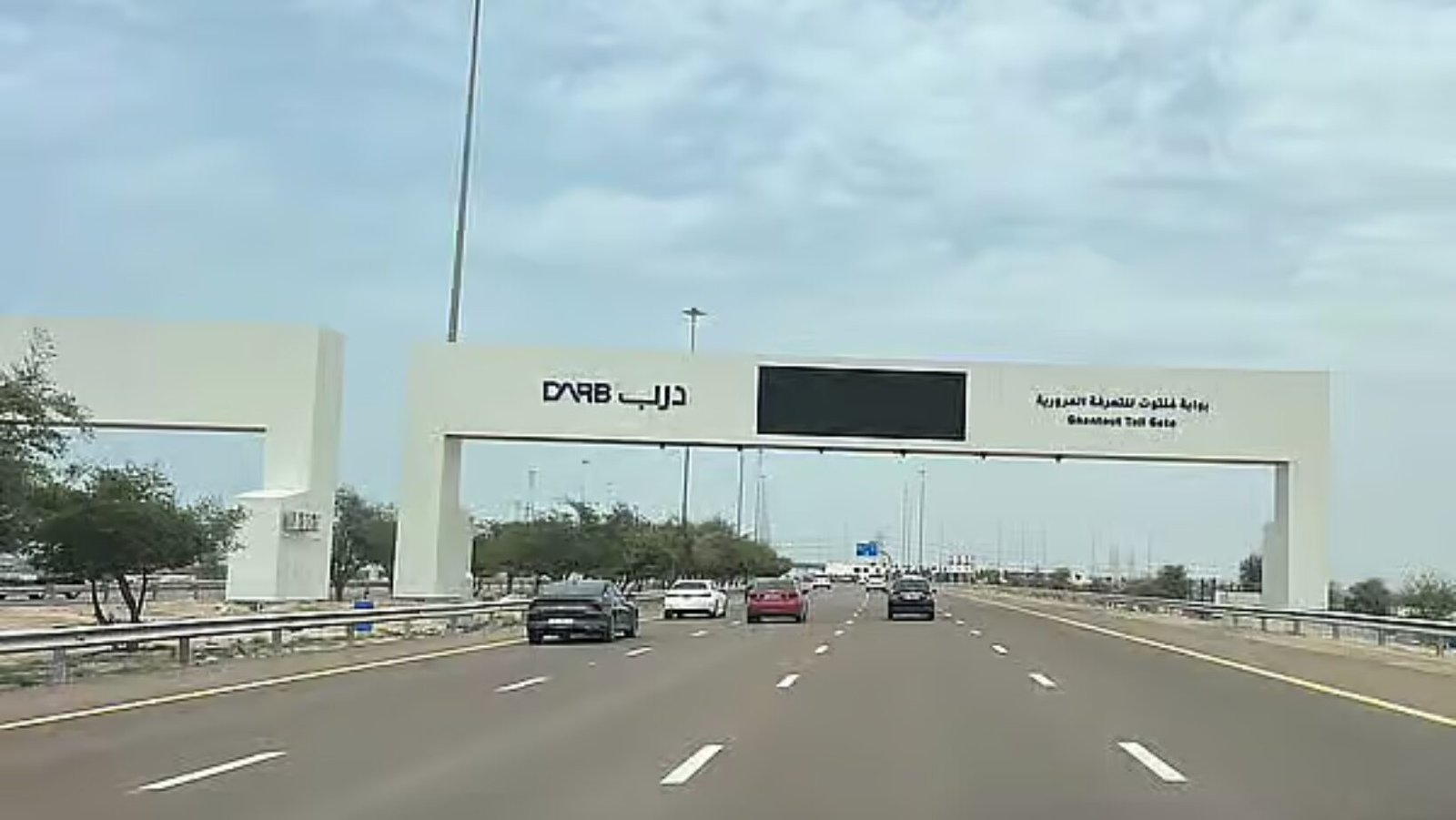
Iran Resumes Drone Attacks on Saudi Arabia Again
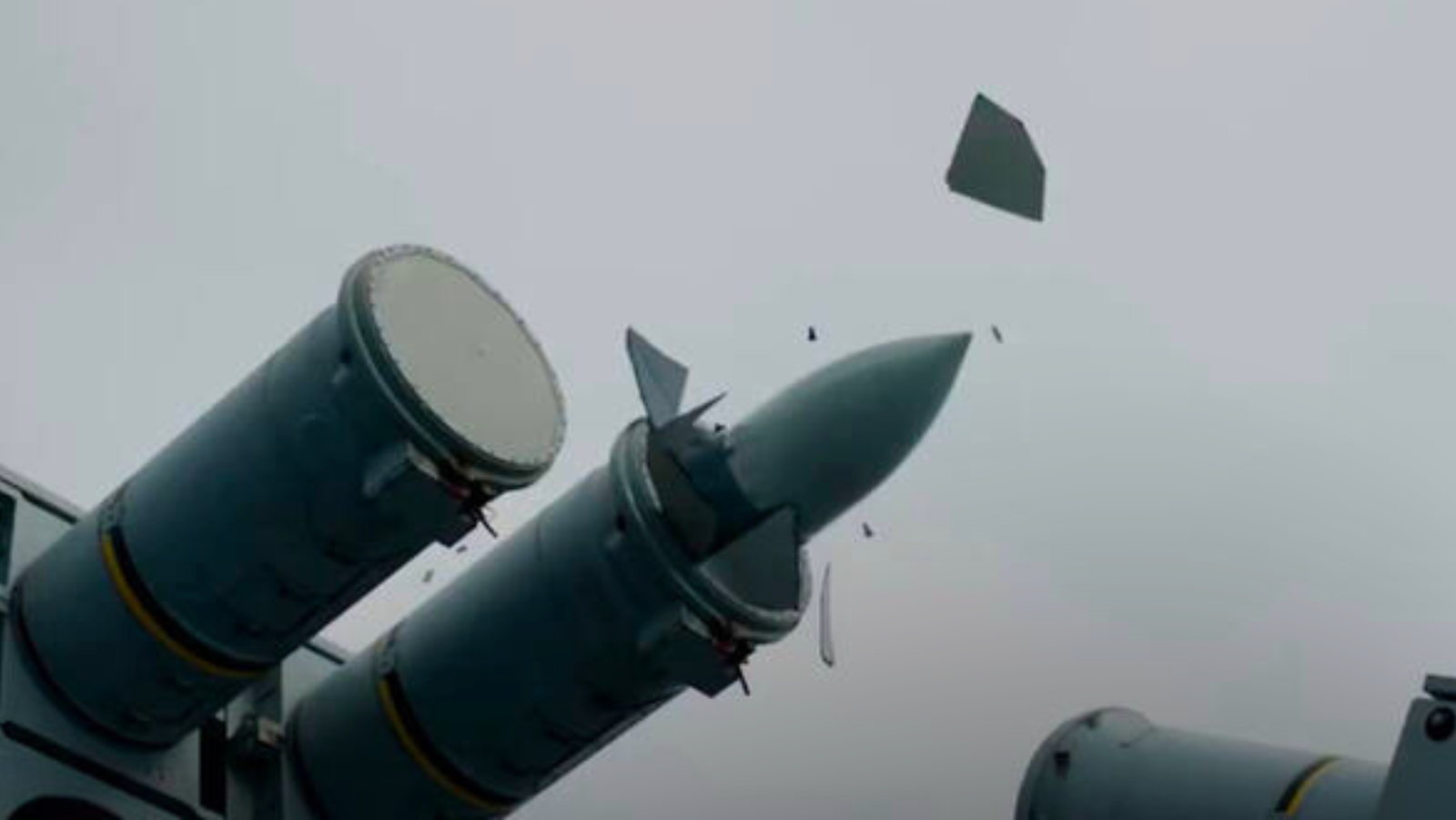
Iran Resumes Drone Attacks on Saudi Arabia Again Overnight
Security tensions across the Gulf intensified after Saudi Arabia reported a new wave of drone attacks targeting parts of the Kingdom during the early hours of Monday. Air defense units were quickly deployed to intercept the incoming threats, successfully destroying dozens of unmanned aerial vehicles before they could reach their intended targets.
Military officials confirmed that defensive systems detected multiple hostile drones approaching Saudi territory overnight. The aircraft were reportedly heading toward areas in the Eastern Province and the capital city Riyadh. Defense forces responded immediately, activating interception systems designed to neutralize airborne threats.
Authorities later announced that around 63 drones were shot down during the latest overnight barrage. The interceptions occurred at different times throughout the night as radar systems tracked each approaching drone.
Despite the scale of the attack, officials said no civilian casualties or major infrastructure damage had been reported inside Saudi Arabia. The drones were destroyed before reaching populated areas or strategic facilities.
Residents in several locations said they heard loud explosions in the sky as defense systems engaged the drones. The sounds were caused by interception missiles destroying the unmanned aircraft at high altitude.
Defense officials described the operation as a coordinated effort involving radar monitoring units, command centers, and interception batteries positioned across key regions of the Kingdom. These systems worked together to detect, track, and destroy the drones before they could pose a serious threat.
The Iran resumes drone attacks on Saudi Arabia again incident marks another escalation in the series of aerial confrontations that have taken place in the Gulf region recently. Military authorities say similar attacks have occurred repeatedly during the past several nights.
Security analysts note that these operations appear to follow a clear pattern. Drone launches often occur late at night, while daytime hours remain relatively calm. This strategy may be intended to take advantage of darkness while testing air defense response capabilities.
Officials also reported that the total number of drones intercepted during the current crisis has now exceeded 230 aircraft. In addition to drones, air defense systems have also destroyed more than 30 missiles during previous attacks.
These figures highlight the intensity of the ongoing aerial campaign and the scale of the defensive operations required to protect critical infrastructure and urban centers.
Saudi Arabia has invested heavily in advanced air defense technology over the years. These systems include radar networks capable of detecting small aerial targets, interception missiles designed to destroy incoming threats, and command centers that coordinate defensive responses.
Experts say modern drones can travel long distances and carry explosive payloads, making them a serious challenge for defense forces. When launched in large numbers, they can attempt to overwhelm defensive systems.
However, Saudi military officials say their integrated defense network has proven effective in neutralizing these threats before they reach major cities or energy facilities.
Fresh Drone Barrage Raises Security Concerns Across Gulf Region
The latest attacks have also affected other Gulf countries, raising wider regional security concerns. Several neighboring states have reported intercepting missiles and drones during recent days as tensions continue to rise.
Authorities in Bahrain confirmed that their defense systems had intercepted a significant number of aerial threats during the broader wave of attacks. Reports indicated that more than 200 drones and over 100 missiles had been destroyed by Bahraini air defenses during the escalation.
These incidents have resulted in casualties and injuries within the region, demonstrating how widespread the impact of the aerial campaign has become.
The United Arab Emirates has also faced a series of aerial threats during the ongoing crisis. Defense officials there reported intercepting hundreds of projectiles, including ballistic missiles, cruise missiles, and large numbers of drones.
According to security reports, UAE defense forces engaged hundreds of incoming aerial objects, preventing potential strikes on major cities and infrastructure.
One of the more serious incidents occurred near Dubai when a drone impact triggered a fire close to a fuel storage facility located near the international airport. Emergency response teams quickly arrived at the scene and worked to control the blaze.
Civil defense crews managed to contain the fire before it could spread to surrounding areas. Authorities later confirmed that the situation had been brought under control.
As a precautionary measure, operations at Dubai International Airport were temporarily suspended while emergency teams secured the area and assessed potential risks.
Airport officials stated that safety procedures required a temporary halt to flights until the situation was fully stabilized. The suspension was intended to protect passengers, airport staff, and nearby infrastructure.
Although the fire was eventually controlled, the incident highlighted the broader risks associated with drone warfare in densely populated urban areas.
Security experts say drones have become a key tool in modern conflicts because they are relatively inexpensive compared to traditional missiles and can be deployed in large numbers.
When used in coordinated swarms, drones can create significant challenges for even advanced defense systems. Multiple targets approaching simultaneously require rapid detection and interception.
This is why countries across the Gulf have strengthened their early-warning systems and invested heavily in advanced radar technology.
Saudi Arabia’s defense network relies on multiple layers of protection, including long-range radar detection, missile interception units, and rapid response coordination centers.
These systems allow military forces to identify potential threats quickly and launch interception missiles before drones reach sensitive locations.
Despite the success of the defensive operations so far, the repeated attacks demonstrate how fragile security conditions remain across the region.
The Iran resumes drone attacks on Saudi Arabia again developments have also raised concerns among international observers about the possibility of further escalation.
Regional governments are closely monitoring the situation as tensions continue to evolve. Diplomatic channels remain active, with several countries calling for efforts to reduce hostilities and prevent a wider conflict.
For now, Saudi defense authorities say they remain on high alert. Surveillance systems across the Kingdom continue to monitor the skies around the clock for any new aerial threats.
Military officials emphasized that defensive forces are fully prepared to respond to additional attacks if they occur. The focus remains on protecting civilian populations, vital infrastructure, and major transportation hubs.
As the situation continues to unfold, security experts believe the use of drone warfare will remain a central feature of the ongoing tensions in the Gulf region. The latest interceptions demonstrate both the scale of the threat and the importance of maintaining strong defensive capabilities to prevent further damage.

Undeniably believe that which you stated. Your favourite justification seemed to be at the net the simplest factor to take into account of. I say to you, I certainly get irked even as other people consider worries that they just don’t understand about. You controlled to hit the nail upon the top and outlined out the whole thing with no need side-effects , other folks could take a signal. Will likely be back to get more. Thank you