

US Airmen Killed in Iraq Plane Crash: Pentagon Confirms Six Deaths
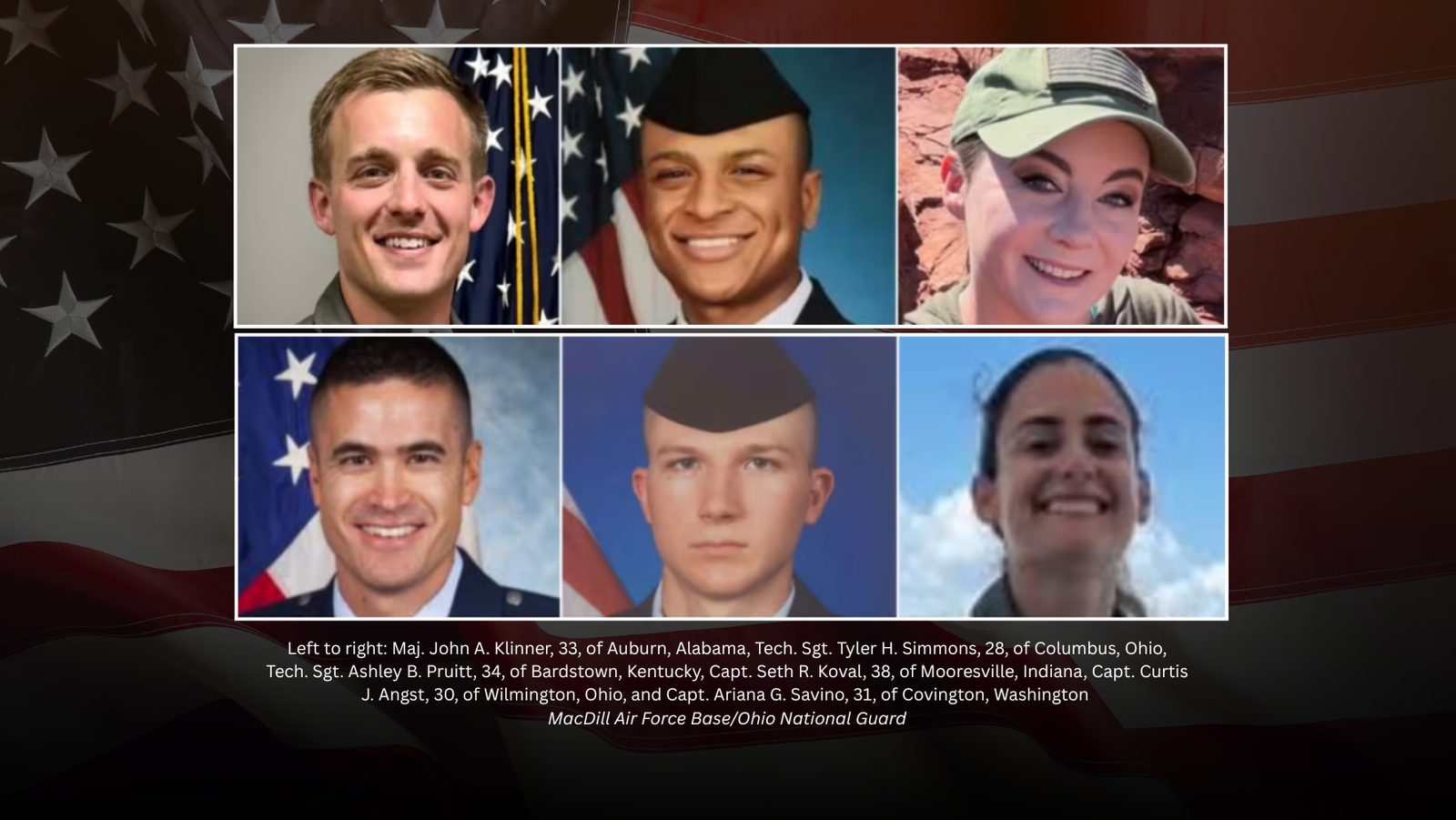
The Pentagon has confirmed that six US Air Force personnel died in a KC-135 Stratotanker aircraft crash in western Iraq. The tragic accident took place during a mission linked to Operation Epic Fury, the ongoing military operation in the Middle East. Officials emphasized that there is currently no evidence of hostile fire or enemy involvement, and a comprehensive investigation into the cause of the crash has been launched.
The six airmen were identified as Maj. John A. Klinner, Capt. Ariana G. Savino, Tech. Sgt. Ashley B. Pruitt, Capt. Seth R. Koval, Capt. Curtis J. Angst, and Tech. Sgt. Tyler H. Simmons. Their deaths represent a significant loss for the US Air Force and the wider military community, as each of the personnel held critical roles in aviation support and refueling operations.
The KC-135 Stratotanker, which was involved in the crash, is a specialized aircraft designed to extend the operational range of fighter jets and other military aircraft by transferring fuel midair. This capability allows combat and surveillance aircraft to stay airborne longer without returning to base, making the KC-135 an essential asset for sustained military operations in conflict zones.
Beyond its refueling function, the KC-135 can also transport cargo, personnel, or medical patients in emergencies. Its flexibility makes it a vital tool for missions that require logistical support over long distances. The loss of this aircraft and its crew underscores the dangers that even support missions carry in active operational theaters.
Details of the Crash and Ongoing Investigation
Military authorities reported that two KC-135 aircraft were operating together in the area when one of them crashed. While one aircraft landed safely, the other was lost with all six crew members aboard. The accident occurred amid heightened US military activity in the region, reflecting the complex operational environment that aircrews navigate on a daily basis.
The KC-135 requires highly trained personnel to manage midair refueling operations. Pilots and boom operators work in tandem to ensure the safe transfer of fuel to receiving aircraft. This process is precise, technical, and demands constant communication. Any irregularity in the operation can pose serious risks, highlighting the skill and expertise of the airmen involved in this incident.
Investigators are currently examining multiple factors to determine the cause of the crash, including flight logs, maintenance records, and environmental conditions at the time of the incident. Preliminary reports indicate that there is no evidence of hostile fire, suggesting that mechanical issues, human error, or unforeseen operational circumstances may have contributed to the tragedy.
The loss occurs during Operation Epic Fury, a military campaign that has increased US Air Force missions in the region. The operation aims to strengthen regional security, support allied forces, and deter hostile actions. As a result, aircraft like the KC-135 are critical to the mission, providing necessary midair refueling that allows combat and reconnaissance aircraft to maintain extended operations.
The Pentagon has reiterated its commitment to investigating the crash thoroughly and to implementing measures that enhance flight safety in high-risk areas. Military officials emphasize that such investigations are crucial for learning from incidents, preventing similar events in the future, and maintaining operational readiness.
Honoring the Fallen Airmen
The six airmen killed in the crash were all highly trained and dedicated members of the US Air Force. Maj. John Klinner served as a pilot and training officer, overseeing flight standards and mentoring dozens of aircrew members. He was recognized for his leadership and devotion to preparing the next generation of aviators.
Capt. Ariana Savino had recently completed her KC-135 pilot training and earned her wings. Known for her energy and professionalism, she also served as a mentor to junior personnel and worked with youth programs aimed at encouraging future careers in aviation and public service.
Tech. Sgt. Ashley Pruitt was an instructor boom operator, responsible for teaching midair refueling procedures to fellow airmen. She had been deployed multiple times to support operations in the Middle East and was highly regarded for her expertise, precision, and leadership.
Tech. Sgt. Tyler Simmons was remembered by family and friends for his enthusiasm and dedication to aviation. A natural mentor and a committed service member, Simmons had always expressed a passion for serving his country through military aviation.
Capt. Seth Koval brought nearly twenty years of experience to the Air National Guard, training pilots in refueling operations, cargo transport, and aeromedical missions. Capt. Curtis Angst had a background in aerospace engineering and served as a skilled KC-135 pilot, supporting both training and operational missions across multiple deployments.
The airmen were stationed at units including MacDill Air Force Base and the Ohio Air National Guard. Their loss has been deeply felt by colleagues, local communities, and families across the United States.
State officials and military leaders have publicly expressed condolences, highlighting the courage, professionalism, and sacrifices of these six individuals. Colleagues described them as highly skilled, dedicated, and committed to ensuring mission success while protecting fellow service members.
The Pentagon has emphasized that supporting the families of the fallen airmen remains a top priority. Memorial services, tributes, and community gatherings are being organized to honor their lives and service. Their contributions exemplify the risks faced by military personnel in both combat and support roles.
Even as the investigation continues, the service and sacrifice of these airmen are being remembered nationwide. Their commitment underscores the dangers inherent in military aviation and the vital role that support operations play in sustaining broader military missions. The US Air Force and the Department of Defense reaffirm their dedication to honoring these individuals while seeking lessons to prevent similar tragedies in the future.
I couldn’t resist commenting