
Direct talks between Israel and Lebanon set to begin soon
JERUSALEM/BEIRUT: Israel and Lebanon are expected to hold direct talks in the coming days, marking a potential diplomatic milestone amid the ongoing conflict with Hezbollah. Lebanese officials confirmed that a delegation is being formed, though no official date has yet been set. These talks could provide a rare opportunity to reduce hostilities and open a channel for dialogue after weeks of escalating violence in the region.
The negotiations are intended to address the ongoing fighting in Lebanon, with particular focus on the status and disarmament of Hezbollah, an Iran-backed armed group. U.S. participation is expected, with President Donald Trump’s son-in-law Jared Kushner reportedly involved in facilitating the discussions. The talks may be held either in Paris or Cyprus, according to sources familiar with the matter, reflecting the international dimension of the conflict and the importance of neutral venues for diplomacy.
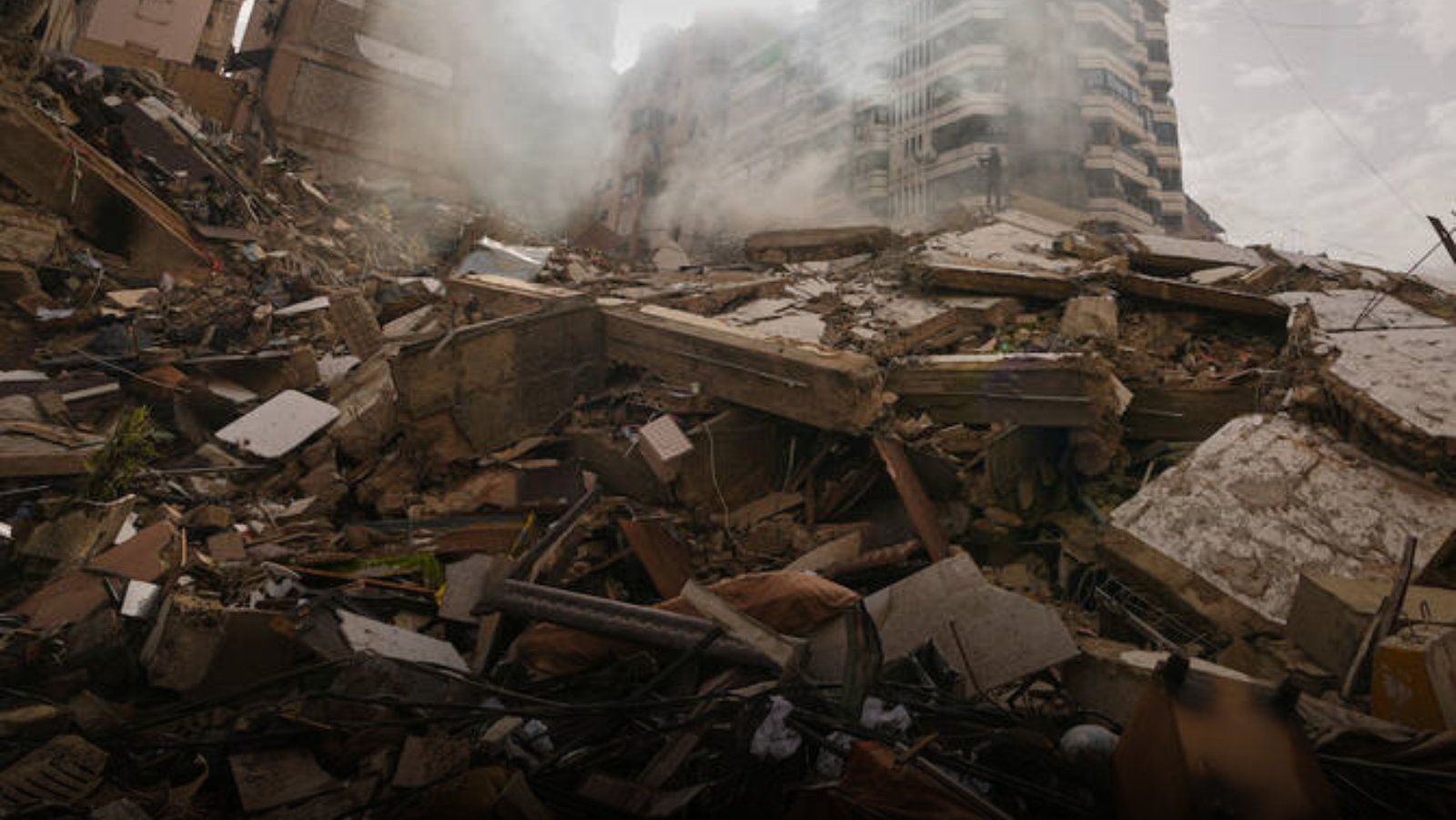
Lebanon entered the current Middle East conflict on March 2 when Hezbollah launched attacks on Israel, citing retaliation for the killing of Iran’s supreme leader. Israel responded with a series of military operations across Lebanon, resulting in over 800 fatalities and displacing more than 800,000 residents. These numbers underscore the humanitarian toll of the conflict and the urgency of finding a diplomatic solution. In addition, widespread damage to civilian infrastructure, including homes, schools, and hospitals, has heightened concerns among international observers and human rights organizations.
President Joseph Aoun of Lebanon has emphasized the importance of a full ceasefire before negotiations can proceed. Lebanese officials noted that members of the negotiating team will include representatives from Christian, Sunni, and Druze communities. However, Shiite participation remains a point of contention, as Parliament Speaker Nabih Berri rejected involvement for Hezbollah-aligned representatives, arguing that Israel would offer the delegation little in return. This internal political complexity illustrates the challenges Lebanon faces in presenting a unified front during negotiations and balancing domestic interests with international expectations.
Hezbollah has continued its military activities despite state bans on its armed operations, launching hundreds of rockets into Israel. Naim Qassem, deputy leader of Hezbollah, stated that the group is prepared for a prolonged confrontation. He emphasized that any resolution would require Israel to halt attacks, withdraw from Lebanese territory, and release prisoners. Analysts note that Hezbollah’s demands reflect both strategic objectives and domestic political considerations, highlighting the delicate balance Lebanon must maintain in its diplomatic approach.
Israeli officials have indicated that military operations against Hezbollah may intensify, even if attacks against Iran decrease. The Israeli military also warned that ambulances and medical facilities allegedly used for military purposes by Hezbollah could be targeted, though these claims have not been substantiated publicly. Lebanese health authorities reported that at least 26 medics and first responders have been killed since the onset of attacks, underscoring the conflict’s human cost.
The humanitarian impact has been significant. More than 800,000 Lebanese residents have been displaced, many losing access to essential services, including electricity, water, and healthcare. Critical infrastructure, including hospitals and schools, has suffered considerable damage. Observers draw parallels with Israel’s previous conflicts in Gaza, where widespread destruction of civilian infrastructure and displacement of residents caused long-term humanitarian challenges. The comparison highlights the potential risks for Lebanon if hostilities continue without a diplomatic resolution.
Israel recently distributed flyers over Beirut warning of potential destruction similar to that in Gaza during its two-year conflict with Hamas. During that war, Israel targeted hospitals, claiming that militant tunnels ran beneath civilian facilities. Hamas stated it had not conducted military operations from hospitals. International law protects civilian infrastructure, though its status can be compromised if sites are allegedly used for military activities. Analysts warn that the ongoing escalation in Lebanon risks similar violations and emphasizes the importance of monitoring both military actions and humanitarian impacts closely.
Analysts emphasize that the upcoming talks between Israel and Lebanon present a rare opportunity to reduce tensions and mitigate further civilian casualties. The negotiations’ success will likely hinge on both parties’ willingness to address core issues, including the cessation of hostilities and Hezbollah’s military presence. While diplomatic efforts may reduce immediate conflict, the broader security situation in Lebanon and the surrounding region remains fragile. Effective diplomacy may also require the involvement of international mediators and sustained monitoring to ensure compliance with agreements.
Lebanon’s internal politics further complicate negotiations. Hezbollah remains a powerful force within the country, challenging state authority and influencing political decision-making. The Lebanese government’s recent move to ban Hezbollah’s military activities has been contested by the group, illustrating ongoing domestic tension. Analysts suggest that political divisions could influence the composition of the negotiating team and the feasibility of reaching an agreement with Israel. These internal dynamics underscore the need for careful coordination among Lebanon’s political factions to maintain a credible negotiating stance.
Israeli officials continue to monitor Hezbollah’s movements and have pledged to maintain military pressure until strategic objectives are met. Both countries are expected to maintain heightened alert levels during the negotiations, emphasizing security and the protection of civilian populations. International stakeholders, including the United States, are closely observing the situation, highlighting the broader geopolitical significance of the talks.
Despite uncertainties, Lebanon’s willingness to engage in direct talks indicates a potential shift toward diplomacy, even as hostilities continue. Analysts note that if the negotiations succeed, they could pave the way for a temporary ceasefire and reduce the immediate humanitarian toll. The coming days will be crucial in determining whether dialogue can coexist with ongoing military operations, setting a precedent for future conflict management in the Middle East.

Definitely believe that which you stated. Your favorite justification seemed to be on the internet the simplest thing to be aware of. I say to you, I certainly get annoyed while people consider worries that they just do not know about. You managed to hit the nail upon the top and also defined out the whole thing without having side effect , people can take a signal. Will probably be back to get more. Thanks