
Israeli strikes in Beirut kill seven civilians today
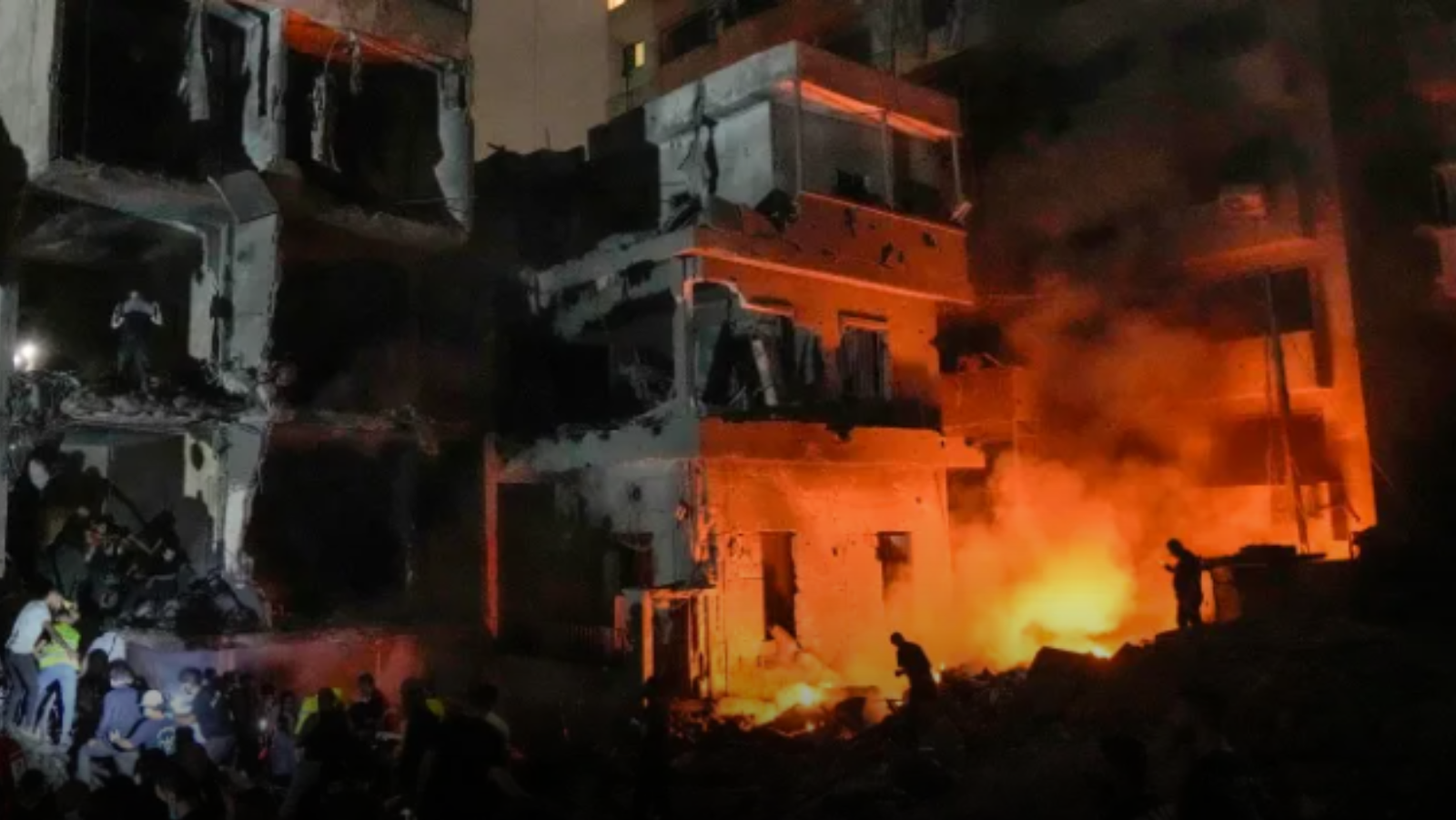
Seven people dead in central Beirut as Israel and Hezbollah exchange missiles during escalating Middle East conflict
Beirut, Lebanon — At least seven people were killed in a strike on central Beirut’s seafront early Thursday, according to Lebanese authorities. The attack came amid intensified exchanges between Israel and the Iran-backed Hezbollah, marking the third major strike in the heart of Lebanon’s capital since the current Middle East war began.
The Lebanese Health Ministry confirmed that 21 others were wounded in the Ramlet Al-Bayda area, a coastal district that has seen repeated attacks in recent days. Local media footage showed thick smoke rising along the seafront following the strike, with reports indicating that a car was the main target.
Israeli military forces said they had conducted operations in southern Beirut overnight, targeting sites associated with Hezbollah. Israeli officials reported that multiple southern towns, including Taybeh, Al-Sultaniyya, and Qana near Tyre, were hit in coordinated airstrikes. The military claimed that these actions were aimed at dismantling Hezbollah’s intelligence and command infrastructure.
Hezbollah, in turn, said early Thursday that it had fired missiles at an Israeli military intelligence base located in the suburbs of Tel Aviv. The escalation follows the killing of Iran’s supreme leader Ayatollah Ali Khamenei in recent US-Israeli strikes, which prompted Hezbollah to retaliate.
Lebanon has been pulled deeper into the regional conflict, with Israel maintaining airstrikes across the country and sending ground forces into border areas. Lebanese authorities report that over 630 people have been killed in the latest wave of attacks, while more than 800,000 have been displaced. Around 126,000 of them are housed in temporary shelters, and many others are sleeping in tents or in open areas, particularly along the seaside in Ramlet Al-Bayda.
The current round of violence is part of a wider campaign in which Hezbollah has deployed barrages of rockets, advanced missiles, and drones at multiple towns, military bases, and strategic locations, primarily in northern Israel. Israeli forces responded with wide-scale strikes targeting what they described as Hezbollah’s terror infrastructure, including intelligence centers, launchers, and command facilities.
On Wednesday, several airstrikes in south Beirut, as well as southern and eastern Lebanon, resulted in additional casualties. In one instance, an apartment in the densely populated Aisha Bakkar district sustained direct hits, wounding four residents. Earlier strikes on Sunday targeted a seafront hotel near Ramlet Al-Bayda, reportedly used by Iranian foreign operations officers; Iran claimed four of its diplomats were killed in that raid.
Global leaders are closely monitoring the rising violence. French President Emmanuel Macron urged both sides to stop the fighting immediately, calling on Israel to pause its ground operations in Lebanon and requesting Hezbollah to halt its missile strikes. Meanwhile, Iran’s Revolutionary Guards acknowledged carrying out coordinated missile attacks with Hezbollah aimed at targets in Israel.
Lebanese authorities and security experts warn that ongoing strikes in Beirut could further destabilize the city and increase the number of displaced civilians. The densely populated areas remain highly vulnerable to aerial attacks, and emergency services are struggling to respond to fires and casualties in affected neighborhoods.
The Israeli military reported that dozens of launchers, as well as Hezbollah intelligence and command sites in southern Beirut, were targeted during recent operations. Officials claim that these actions are part of a broader effort to neutralize Hezbollah’s military capacity and prevent further attacks on Israeli territory.
For residents, the conflict has created a humanitarian crisis. Many have been forced to flee homes, seeking refuge in shelters or improvised accommodations along the city’s coast. Relief organizations are working under difficult conditions to provide food, medical care, and safety for those affected by the attacks.
The ongoing escalation underscores the fragility of regional security in Lebanon and the wider Middle East. With Hezbollah actively responding to Israeli strikes and Iran supporting its ally with coordinated missile attacks, the potential for further civilian casualties remains high.
Authorities continue to urge caution among Beirut residents, advising them to avoid areas that are likely targets for airstrikes and to follow emergency alerts closely. The situation remains fluid, with military operations and retaliatory strikes ongoing as both sides continue to exchange fire.
Heya i am for the first time here. I came across this board and I find It truly useful & it helped me out a lot. I hope to give something back and help others like you aided me.