
Iran Launches Attacks on Gulf Countries Amid Regional War
Iran Launches Attacks on Gulf Countries Amid Regional War as Tensions Escalate
Regional tensions intensified Tuesday after Iran launched attacks on Gulf countries amid regional war, triggering missile alerts and drone interceptions across several states in the Middle East. The developments come as the conflict involving Iran, Israel, and allied forces continues to widen, raising concerns about energy security and global oil supply.
Authorities in the United Arab Emirates and Bahrain reported early morning missile warnings, while Saudi Arabia and Kuwait confirmed that several drones were intercepted and destroyed before reaching their targets. Saudi officials stated that air defense systems shot down two drones over the kingdom’s oil-producing eastern province, an area that holds critical energy infrastructure.
Kuwait’s National Guard also announced that its defense units successfully intercepted six unmanned aerial vehicles approaching the country. No immediate casualties or major damage were reported in those incidents, but security forces across the Gulf region remained on high alert.
The latest escalation highlights how the ongoing war has begun affecting countries beyond the main battlefield. Iran has already carried out missile and drone attacks against Israeli targets and American military bases in the region since the conflict erupted in late February.
Analysts say Tehran’s strategy appears aimed at increasing pressure across the Middle East by targeting multiple fronts simultaneously. In addition to military sites, Iranian operations have reportedly focused on energy facilities and shipping routes, raising fears about disruptions to global oil supplies.
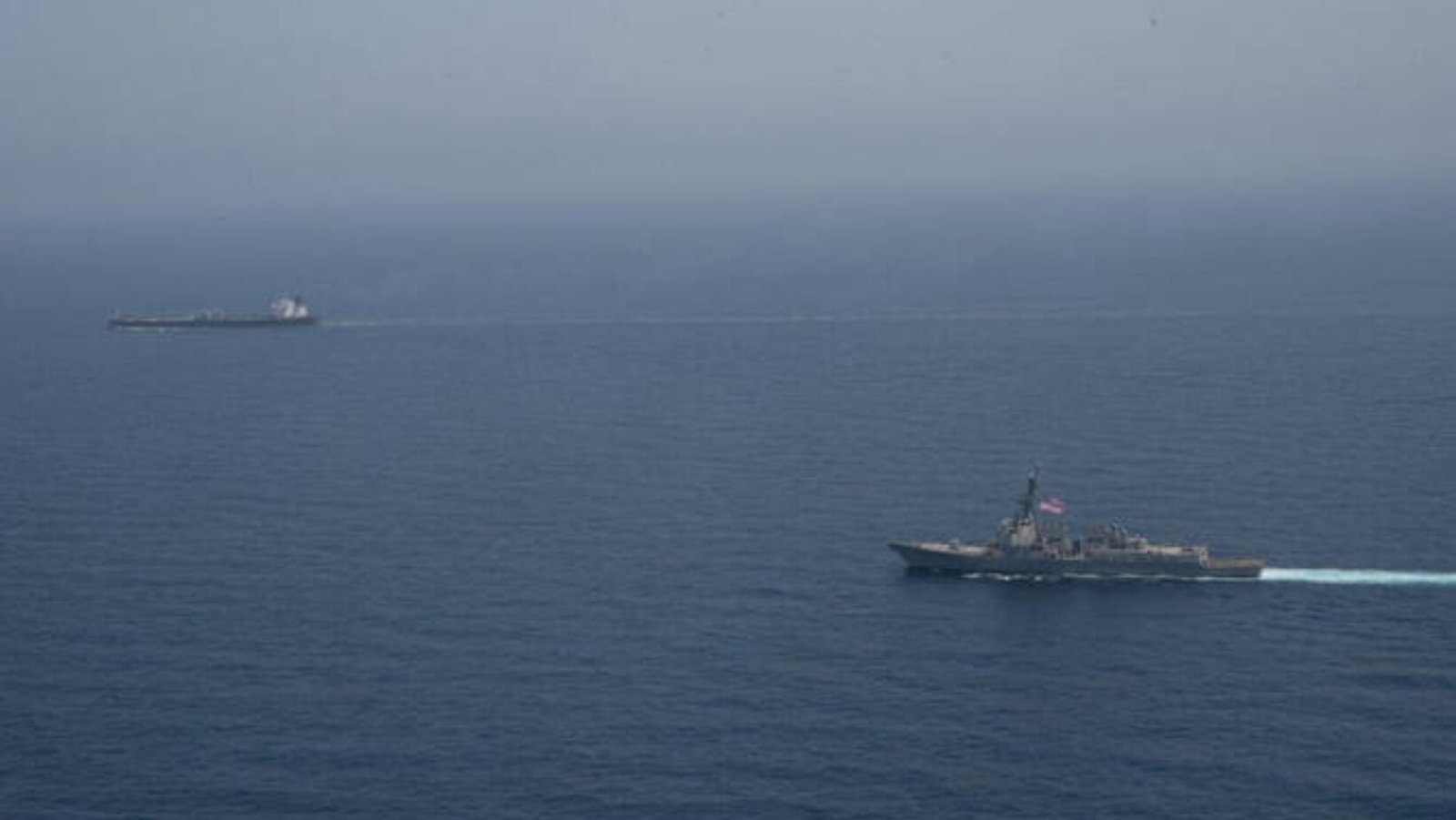
One of the most critical concerns centers around the Strait of Hormuz, a narrow but strategically vital shipping lane connecting the Arabian Gulf with the Gulf of Oman. Nearly 20 percent of the world’s oil exports move through this passage each day, making it one of the most important routes for global energy markets.
Recent attacks near the strait have already affected shipping activity. According to maritime officials, several commercial vessels have been targeted in recent days, and at least seven sailors were killed in attacks involving merchant ships. Insurance premiums for tankers operating in the region have also risen sharply due to security risks.
The impact has quickly spread to global energy markets. Brent crude oil prices, the international benchmark, surged close to $120 per barrel earlier this week before falling back. Even after the drop, prices remained significantly higher than levels recorded before the conflict began, reflecting continued uncertainty in the region.
Political leaders have also been responding to the escalating crisis. US President Donald Trump attempted to calm concerns that the war could evolve into a prolonged regional conflict. Speaking Tuesday, he described the situation as a “short-term excursion,” though earlier statements from US officials had suggested the fighting could last weeks or longer.
Trump also warned Iran against disrupting oil shipments through the Strait of Hormuz. In a message posted on social media, he stated that any attempt to halt global oil flows through the passage would result in a significantly stronger military response from the United States.
Iranian officials have signaled a different outlook. A spokesperson for the Islamic Revolutionary Guard Corps (IRGC) indicated that Tehran intends to determine the timing and outcome of the conflict. Meanwhile, senior Iranian political adviser Kamal Kharazi said the country is prepared for a long confrontation if necessary.
The conflict has also spread to neighboring Iraq, where armed groups linked to Iran have been active. Early Tuesday, an airstrike targeted a militia unit belonging to the Popular Mobilization Forces near the northern Iraqi city of Kirkuk. Local officials reported that at least five fighters were killed and several others wounded in the strike. The identity of the party responsible for the attack was not immediately confirmed.
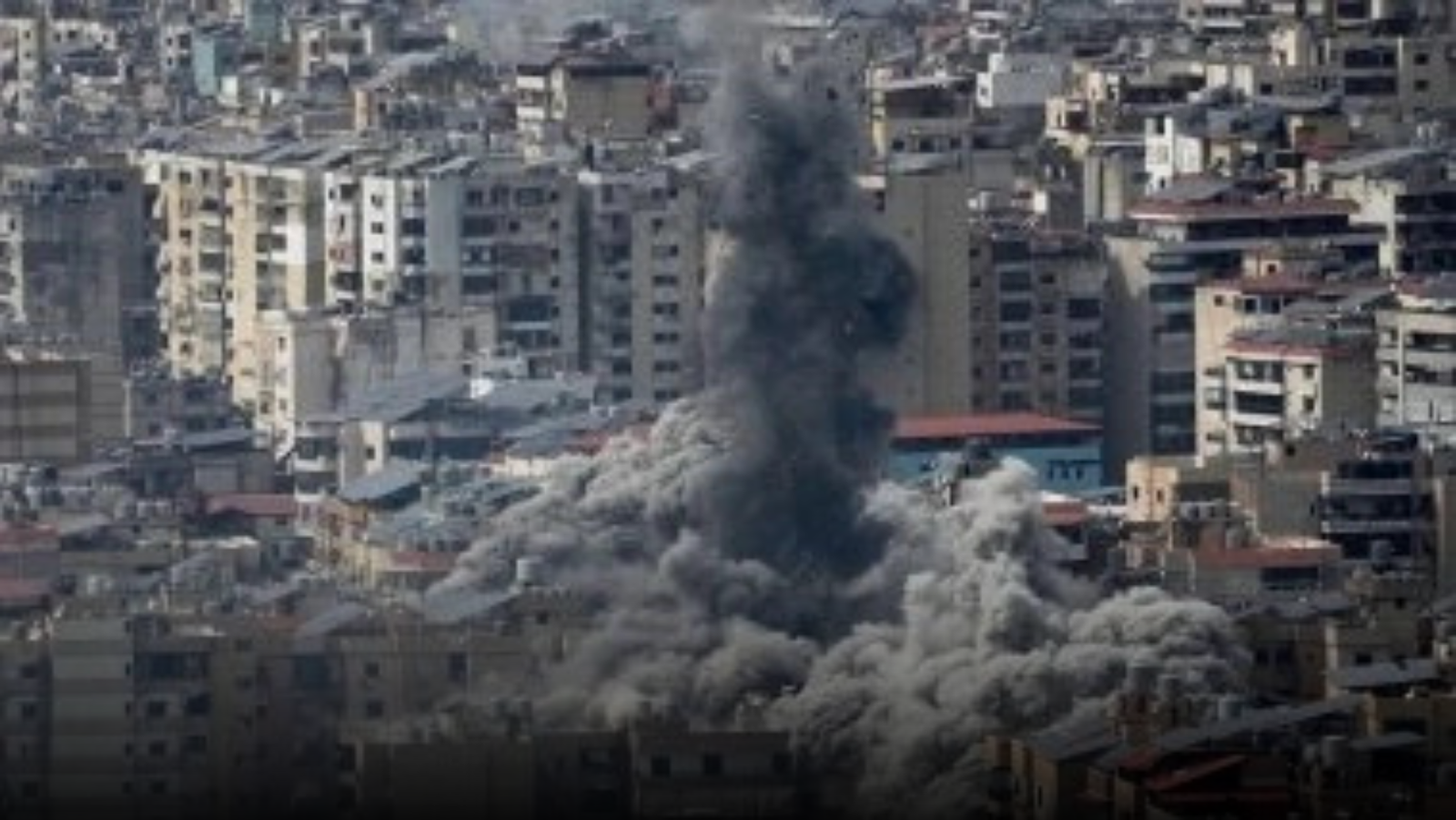
Since hostilities began, casualties have mounted across multiple countries. Reports from regional authorities indicate that more than 1,200 people have been killed in Iran, while hundreds of deaths have also been recorded in Lebanon and Israel. Several American service members have also been reported among the casualties.
Financial markets, which have been volatile throughout the crisis, showed signs of cautious recovery in early Asian trading on Tuesday. However, analysts warn that continued attacks across the Gulf could quickly reverse those gains if the conflict spreads further.
As the war continues, governments and global markets remain focused on developments in the region, particularly the security of energy infrastructure and vital maritime routes. The latest wave of strikes shows that the Iran launches attacks on Gulf countries amid regional war is rapidly reshaping the security landscape across the Middle East.

You have brought up a very excellent details , thanks for the post.
Thanks – Enjoyed this blog post, how can I make is so that I get an update sent in an email when you write a new post?