

Oil Hits $119 Amid US-Israel Iran Conflict Surge
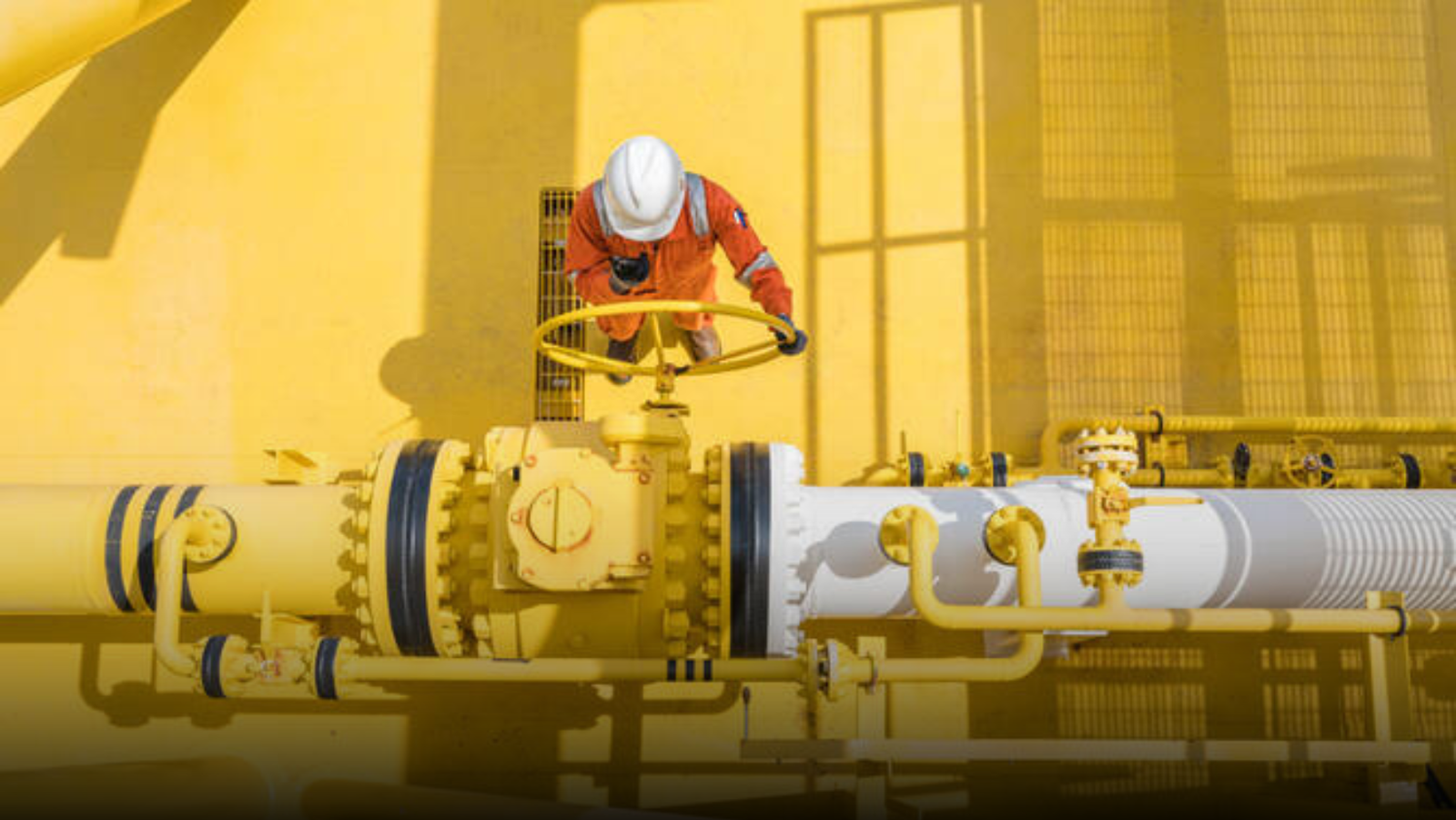
Oil Hits $119 Amid US-Israel Iran Conflict Surge as Middle East supply cuts and Strait of Hormuz disruptions drive record price jumps in global markets.
Oil prices surged sharply on Monday, reaching $119 per barrel, marking one of the largest daily jumps in recent years. The spike comes amid the escalating US-Israel conflict with Iran, which has disrupted shipping and prompted major oil producers to cut output.
Brent crude futures climbed as much as 29 percent to $119.50 per barrel in early trading, while US West Texas Intermediate (WTI) rose over 31 percent to $119.48. Although prices later eased slightly, Brent remained above $105, and WTI stayed over $100 per barrel, reflecting persistent market uncertainty.
The Strait of Hormuz, through which nearly 20 percent of the world’s oil supply normally passes, has become a focal point for supply concerns. Disruptions to tanker movements and heightened security risks have already slowed deliveries, leaving heavily oil-dependent Asian markets particularly vulnerable.
Analysts warn that unless oil flows through the Strait of Hormuz resume and regional tensions ease, the upward pressure on prices could continue. Vasu Menon, managing director at OCBC in Singapore, said, “The current environment is testing global energy markets’ resilience, and sustained disruptions could keep prices elevated for weeks or months.”
Iraq and Kuwait have begun reducing oil output, adding to prior cuts in liquefied natural gas from Qatar. Observers anticipate further reductions from the UAE and Saudi Arabia as storage capacities reach limits amid the conflict.
The appointment of Mojtaba Khamenei as Iran’s new leader has reinforced expectations that hardliners will continue to control Tehran, potentially prolonging the conflict with the US and Israel. Analysts note that ongoing Iranian attacks on regional oil infrastructure, such as facilities in the UAE and Saudi Arabia, have further tightened supply.
“This escalation has fueled aggressive buying in global markets, with WTI projected to reach $120 and potentially $130 per barrel in a short period,” said Satoru Yoshida, a commodity analyst at Rakuten Securities.
The energy crisis has already impacted global markets, with Tokyo’s Nikkei 225 index plunging by as much as 7 percent in early trading, mirrored by declines across other Asian markets.
Higher oil prices threaten weeks or months of elevated fuel costs worldwide, affecting consumers and businesses even if the conflict resolves quickly. Daniel Hynes, senior commodity strategist at ANZ, warned that production shutdowns in major oilfields could prolong the price surge, delaying recovery once tensions ease.
Iraqi oil output from its main southern fields has dropped by 70 percent to 1.3 million barrels per day, with storage nearing full capacity. Kuwait Petroleum Corp. has also reduced shipments, while Iranian attacks have continued in strategic locations such as Fujairah in the UAE and Saudi Arabia’s Shaybah oilfield.
US lawmakers, including Senate Democratic Leader Chuck Schumer, have urged President Donald Trump to release oil from the Strategic Petroleum Reserve to stabilize markets and ease price shocks affecting American consumers.

Its such as you learn my thoughts! You seem to understand a lot about this, like you wrote the guide in it or something. I think that you could do with some p.c. to power the message house a little bit, but instead of that, that is great blog. A great read. I will definitely be back.