
US Israel Strike Iran Oil Facilities Tehran
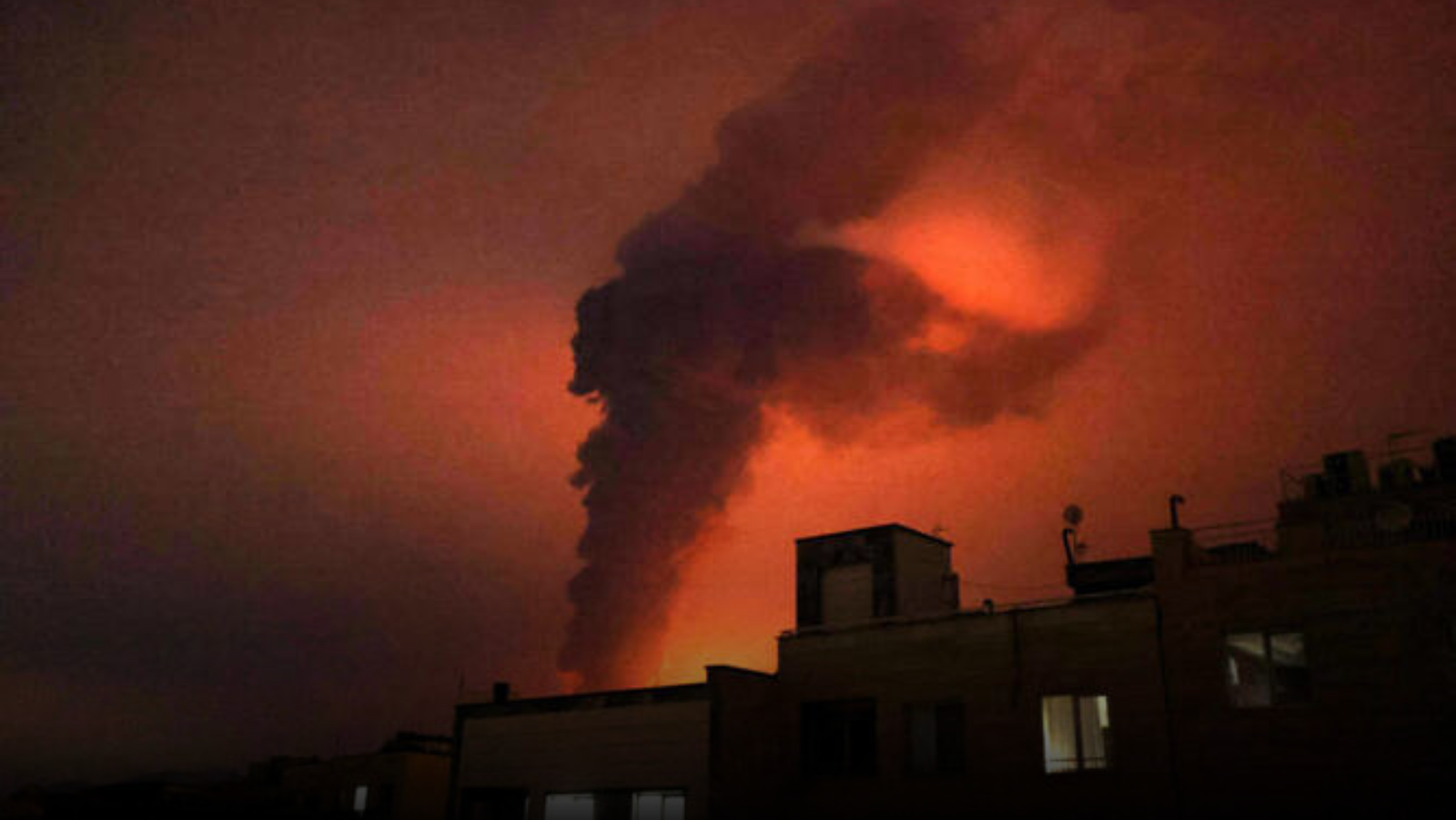
US Israel Strike Iran Oil Facilities Tehran amid rising Middle East tension
Tehran woke to smoke and chaos on Sunday morning after the United States and Israel launched precision strikes on five oil facilities in and near Iran’s capital, leaving at least four dead and sending a dark haze over the city. The attacks mark the first time civilian industrial sites have been targeted directly in the ongoing Middle East conflict, signaling a dangerous escalation that could reshape the region’s security landscape.
According to Keramat Veyskarami, CEO of the National Iranian Oil Products Distribution Company, four personnel—including two tanker drivers—were killed, and the facilities sustained damage, though fires were quickly brought under control. Residents reported the lingering smell of burning and the city skyline illuminated by the overnight explosions, heightening tension among civilians.
Israel’s military confirmed it targeted fuel storage sites supplying Tehran and neighboring provinces, while Iranian state media described the strikes as “attacks by the US and the Zionist regime,” framing them as a direct challenge to national sovereignty. Analysts note that such strikes on civilian industrial infrastructure represent a sharp intensification of hostilities, which may provoke retaliatory responses from Iran.
Despite President Masoud Pezeshkian issuing an apology for attacks on neighboring Gulf countries earlier, Tehran’s hardliners remain committed to their military campaign. Conflicting statements from members of the three-person leadership council overseeing Iran since Supreme Leader Ayatollah Ali Khamenei was killed reveal a fractured chain of command. While Pezeshkian suggested restraint and diplomacy, other officials warned that Iran’s attacks will continue if US bases remain in the region.
President Donald Trump dismissed calls for Iran to surrender, insisting the United States is not seeking to settle the conflict. He emphasized that US operations would continue to target additional areas and groups, aiming to cripple Iran’s military capacity. Trump also suggested that resolution of oil price volatility and protection of Americans in the Middle East would follow once the conflict concludes.
Security analysts note that Iran’s Revolutionary Guard largely operates independently, targeting sites at its discretion while maintaining allegiance to Khamenei. This decentralized approach complicates diplomatic efforts, as some factions within Iran push for continued strikes against US and Israeli targets despite calls for restraint from the leadership council.
The strikes underscore the vulnerability of Iran’s energy infrastructure. Officials stated that Iran has adequate gasoline reserves, but the psychological and economic impact of losing key oil and transport facilities could reverberate across the country. Furthermore, global energy markets remain on edge as the conflict continues to threaten oil production and regional stability.
The attacks coincide with growing uncertainty over Iran’s leadership succession. The leadership council has reportedly requested arrangements to convene the Assembly of Experts to choose a new supreme leader, though no date has been announced. This adds another layer of unpredictability to the crisis, as the region watches closely for any shifts in Iranian strategy or governance.
As smoke cleared over Tehran, the situation remained tense. Experts warn that continued US and Israeli strikes on key infrastructure could escalate retaliatory attacks, including missile and drone strikes on Gulf Arab states. The next days may prove critical in determining whether diplomacy can gain traction or if the Middle East will face further widespread instability.
I needed to create you the very little word in order to thank you so much again for those incredible ideas you’ve featured on this page. It is seriously open-handed of people like you to provide publicly what exactly a number of people could have advertised for an electronic book in order to make some cash for their own end, even more so given that you could possibly have done it if you wanted. These secrets additionally served as the fantastic way to be aware that other people online have a similar eagerness similar to my personal own to know significantly more regarding this issue. I’m sure there are many more enjoyable times in the future for individuals that find out your blog post.