
Iran Drone Attacks on Saudi Arabia Continue in 2026
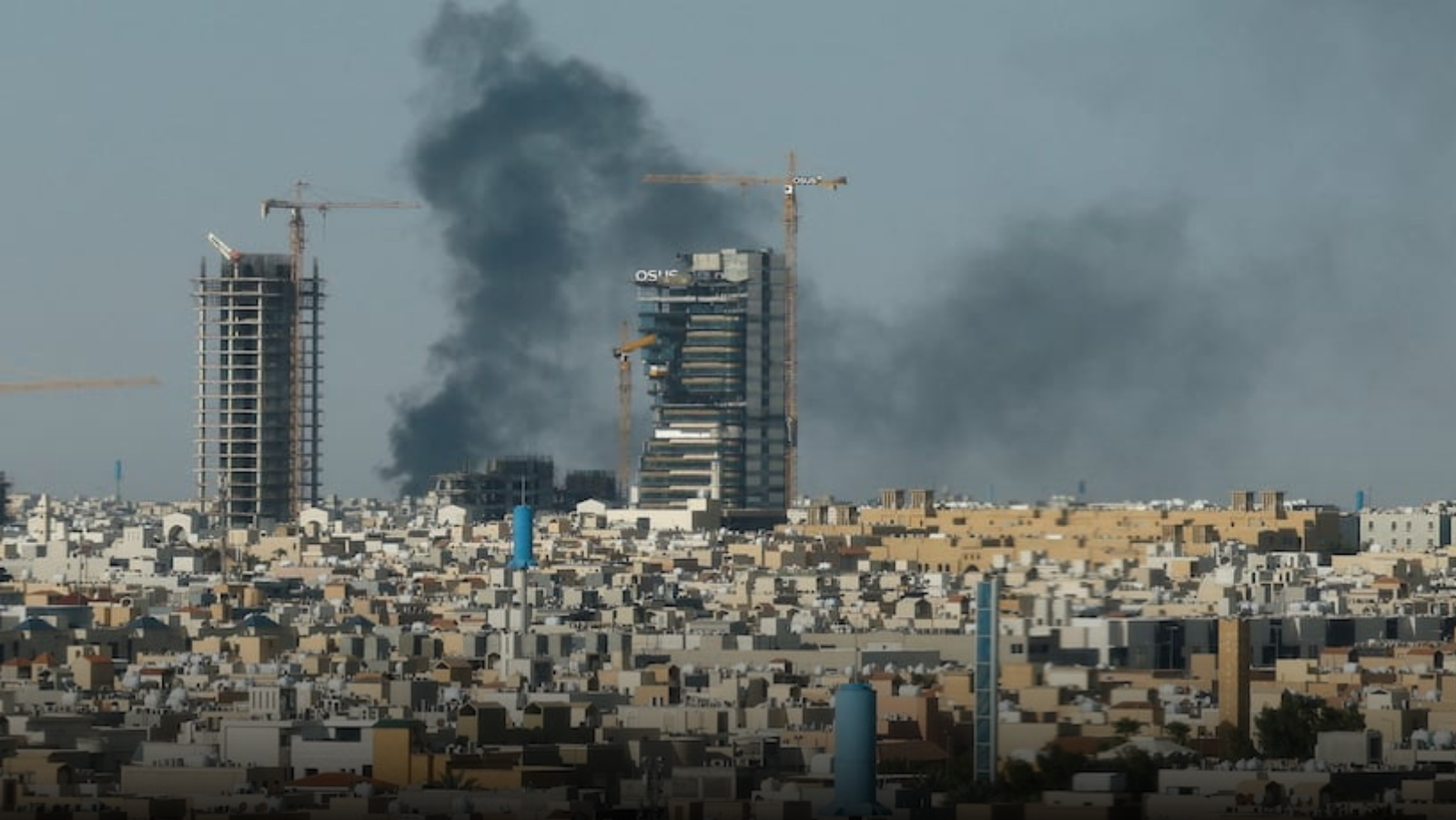
Iran Drone Attacks on Saudi Arabia Continue in 2026 escalate Gulf security concerns
Saudi Arabia’s air defense forces intercepted a new wave of drones targeting the Kingdom on Sunday as regional tensions continued to rise across the Gulf. Defense authorities confirmed that multiple unmanned aerial vehicles were destroyed before reaching their targets, preventing potential damage to important areas near the capital.
According to Saudi defense officials, a total of 21 drones were neutralized during the latest wave of attacks. Thirteen drones were intercepted and destroyed east of Riyadh, while eight more were shot down shortly after entering Saudi airspace. The interceptions were carried out by Saudi Arabia’s air defense systems, which have remained on high alert in response to repeated aerial threats in recent days.
The latest developments follow a series of attacks that have occurred across Saudi territory over the past several days. Military authorities say the Kingdom’s defense forces have successfully intercepted numerous drones and missiles targeting strategic locations and industrial zones.
A day earlier, Saudi Arabia reported that its air defenses intercepted a large number of drones heading toward the Shaybah oil field, one of the Kingdom’s important energy facilities located deep within the Rub’ al-Khali desert. Officials stated that 21 drones were destroyed before reaching the facility. In addition to the drones, five ballistic missiles were launched toward Saudi territory at different times during the day, but they were intercepted by air defense systems.
Another key target during the recent attacks was Prince Sultan Air Base located in Al-Kharj, an area roughly 80 kilometers southeast of Riyadh. Defense officials reported that five ballistic missiles aimed at the base were intercepted before they could reach the facility. Authorities said this marked the third attempted strike against the base within three consecutive days, raising concerns about the persistence of aerial threats targeting military and industrial sites in the Kingdom.
Officials also confirmed that an additional drone was intercepted east of Riyadh on Saturday. The repeated attempts to launch drones and missiles toward Saudi territory have prompted the country’s defense forces to maintain heightened readiness across several regions.
The escalation in attacks is widely linked to the broader regional conflict that intensified in late February 2026 following large-scale military strikes against Iran. After those operations, Iran began launching retaliatory actions across parts of the Gulf region, increasing security tensions among neighboring states.
Security analysts say the continued drone launches demonstrate the growing use of unmanned aerial systems in regional conflicts. These drones are often used to target infrastructure and military installations while attempting to bypass traditional defense measures.
The Shaybah oil field, which was targeted by drones during the recent attacks, had not been hit since the end of February when the regional conflict escalated. Because the facility plays a role in Saudi Arabia’s oil production, any successful strike on the area could have wider economic implications.
At the same time, Iran’s leadership recently signaled a more conciliatory tone toward Gulf states. Iranian President Masoud Pezeshkian publicly apologized to neighboring countries that may have been affected by Iran’s military operations. In a televised address, he stated that Iran did not intend to harm neighboring states and indicated that Tehran would avoid targeting them unless their territories were used as launch points for attacks against Iran.
However, statements from Iran’s military officials suggested a more conditional approach. Representatives from Iran’s armed forces said that military operations could still occur if Iran believed attacks against its territory were originating from nearby countries. This clarification has created uncertainty among regional leaders regarding whether the apology signals a genuine effort to reduce tensions.
Elsewhere in the Gulf, the impact of the aerial threats has also been felt. In the United Arab Emirates, debris from an intercepted drone reportedly caused minor damage to the exterior of a building in Dubai Marina after it was destroyed mid-air. Authorities confirmed that no injuries were reported in the incident.
In Bahrain, officials reported that an intercepted aerial attack led to a fire in the capital city of Manama. The blaze damaged a residential property and nearby structures before emergency services were able to control the situation. Government officials emphasized that security forces remain prepared to respond to any additional threats.
Saudi Arabia has continued focusing on protecting civilian areas and critical infrastructure as tensions persist. Defense authorities say multiple missile and drone threats have been intercepted across the Riyadh region and the Eastern Province in recent days.
Regional governments have also coordinated responses through diplomatic channels. During a meeting in Riyadh, members of the Gulf Cooperation Council emphasized that member states have the right to defend their territories and maintain stability in the region.
International leaders have expressed concern about the rising tensions and the risk of further escalation in the Middle East. Analysts warn that continued attacks could threaten energy infrastructure and increase instability across the Gulf if the situation does not improve.
Despite the growing security challenges, Saudi defense forces continue to monitor the situation closely and maintain air defense readiness as regional tensions remain high.
whoah this weblog is magnificent i really like reading your articles. Keep up the great work! You understand, many individuals are searching around for this information, you can help them greatly.