Qatar Warns Gulf Oil Output Could Stop Soon
Middle East conflict threatens global oil supply as Qatar alerts Gulf producers to possible halt
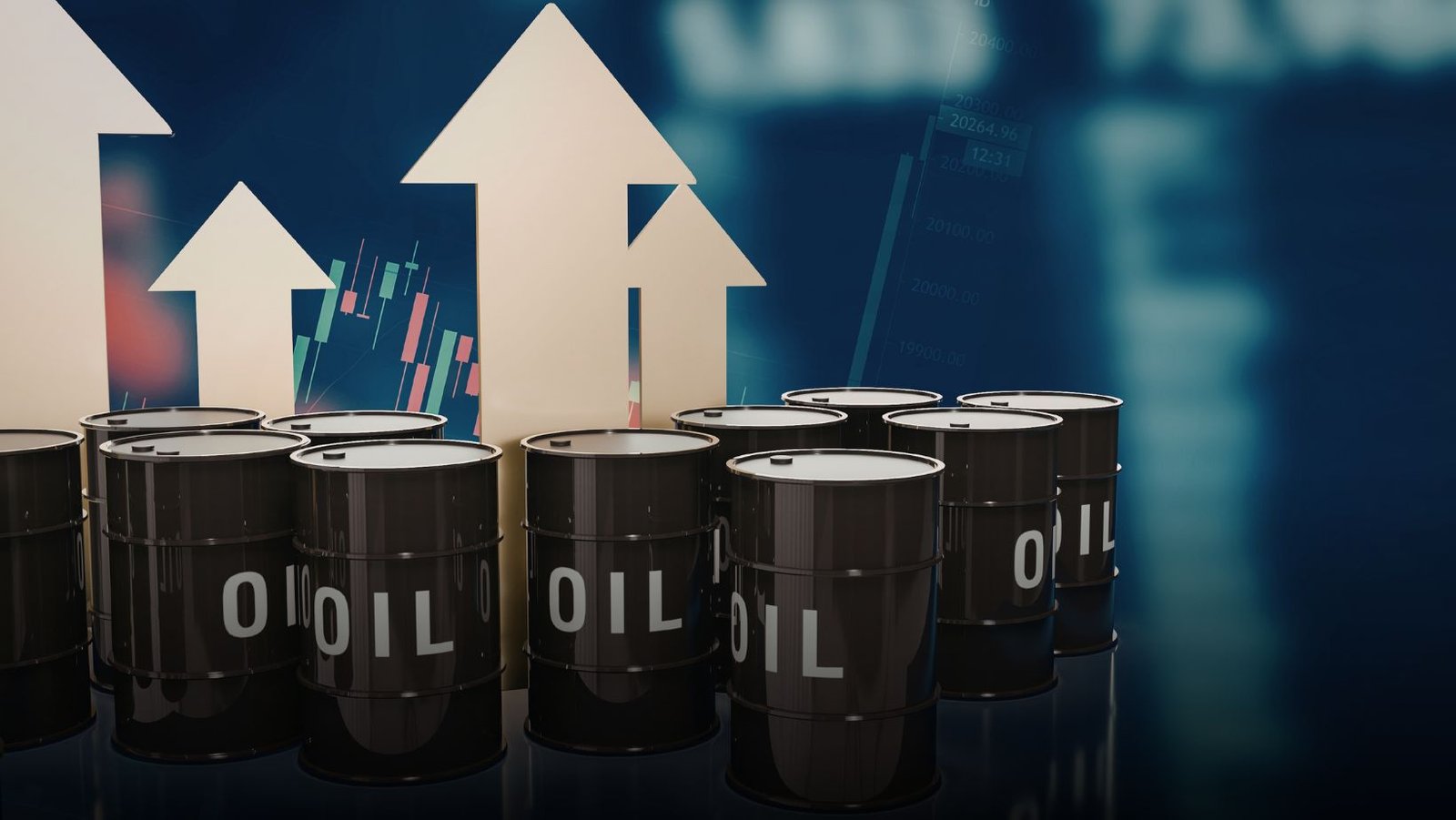
Oil prices have surged to their highest level in over two years after Qatar’s energy minister warned that all oil and gas exports in the Gulf could be suspended within days if the ongoing conflict persists. This announcement highlights the serious risks to global energy markets and international economic stability.
Saad al-Kaabi, Qatar’s energy minister and CEO of QatarEnergy, cautioned that the escalating Middle East tensions, triggered by the recent US and Israeli strikes against Iran, could “bring down the economies of the world” if Gulf production stops. He indicated that Brent crude prices, already topping $93 per barrel, could rise further and potentially reach $150 per barrel if the situation continues.
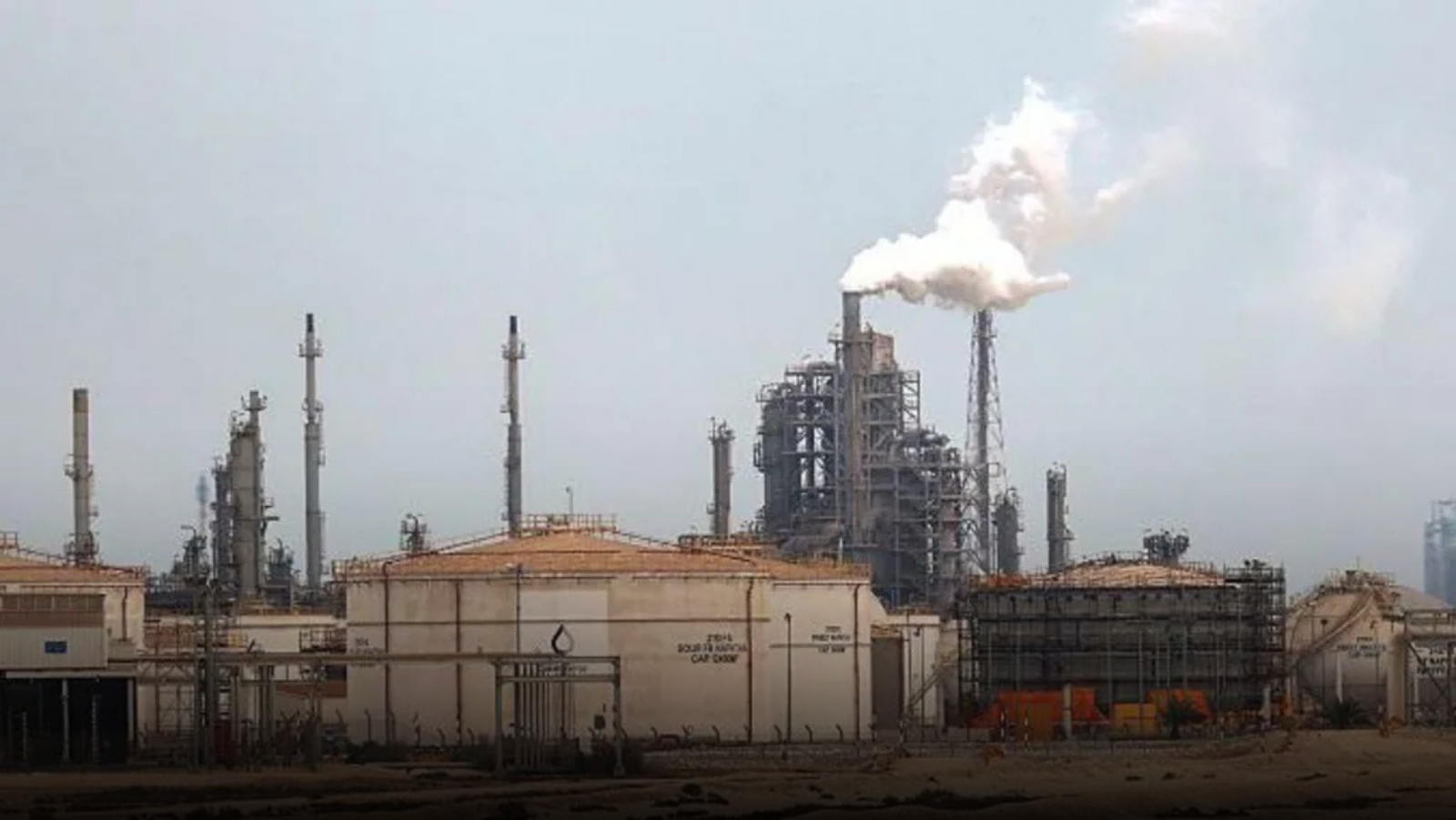
QatarEnergy has temporarily halted production of liquefied natural gas (LNG) at its Mesaieed Industrial City facilities following military attacks. The company declared force majeure, indicating it is not liable for supply disruptions caused by events beyond its control. Kaabi warned that other Gulf energy producers may also be forced to halt operations in the coming days if the conflict persists.
Analysts are closely monitoring the situation. Jorge Leon, an energy market expert at Rystad Energy, said that if Gulf oil exports are blocked, storage capacity will soon be exhausted, forcing countries to reduce production. He emphasized that the duration of halted exports will determine whether the world faces a short-term spike in oil prices or a long-term global energy crisis.
The disruption of Gulf oil and gas supplies could have immediate consequences for consumers worldwide. Rising fuel costs are already affecting households in the UK, where petrol and diesel prices have hit a 16-month high. Extended production halts would also impact heating, imported goods, and overall energy costs in major economies such as the US, China, India, and Japan.
The Strait of Hormuz, through which about 20% of the world’s daily oil supply is transported, remains highly vulnerable. Since the outbreak of the US-Israel-Iran conflict, shipping through the strait has slowed considerably, increasing the risk of supply shortages. While Saudi Arabia and the UAE have pipelines that bypass the strait, extended disruption could still push global oil prices higher.
Financial strategists note that although households may experience higher energy bills first, broader inflationary effects could occur if the conflict persists. Governments could release strategic reserves to stabilize markets, similar to previous global energy crises, but prolonged uncertainty would weigh heavily on international economies.
Al-Kaabi stressed that even if the conflict ends soon, it will take weeks to months for Gulf production to return to normal levels. The temporary halt at QatarEnergy highlights the vulnerability of energy infrastructure in conflict zones and the interconnected nature of global oil markets.
With the warning from Qatar, markets are on high alert. Traders, investors, and governments are closely monitoring developments, knowing that any further disruption in Gulf oil exports could ripple across global energy supplies, affecting industries, households, and economies worldwide.