
Saudi Pakistan defense chiefs discuss Iran attacks
Saudi Pakistan defense chiefs discuss Iran attacks response
Saudi Arabia and Pakistan have held high-level defense discussions following a series of Iranian attacks targeting the Kingdom and other locations across the Gulf region. The meeting reflects growing concern over regional security as tensions in the Middle East continue to escalate after recent military confrontations involving Iran, the United States, and Israel.
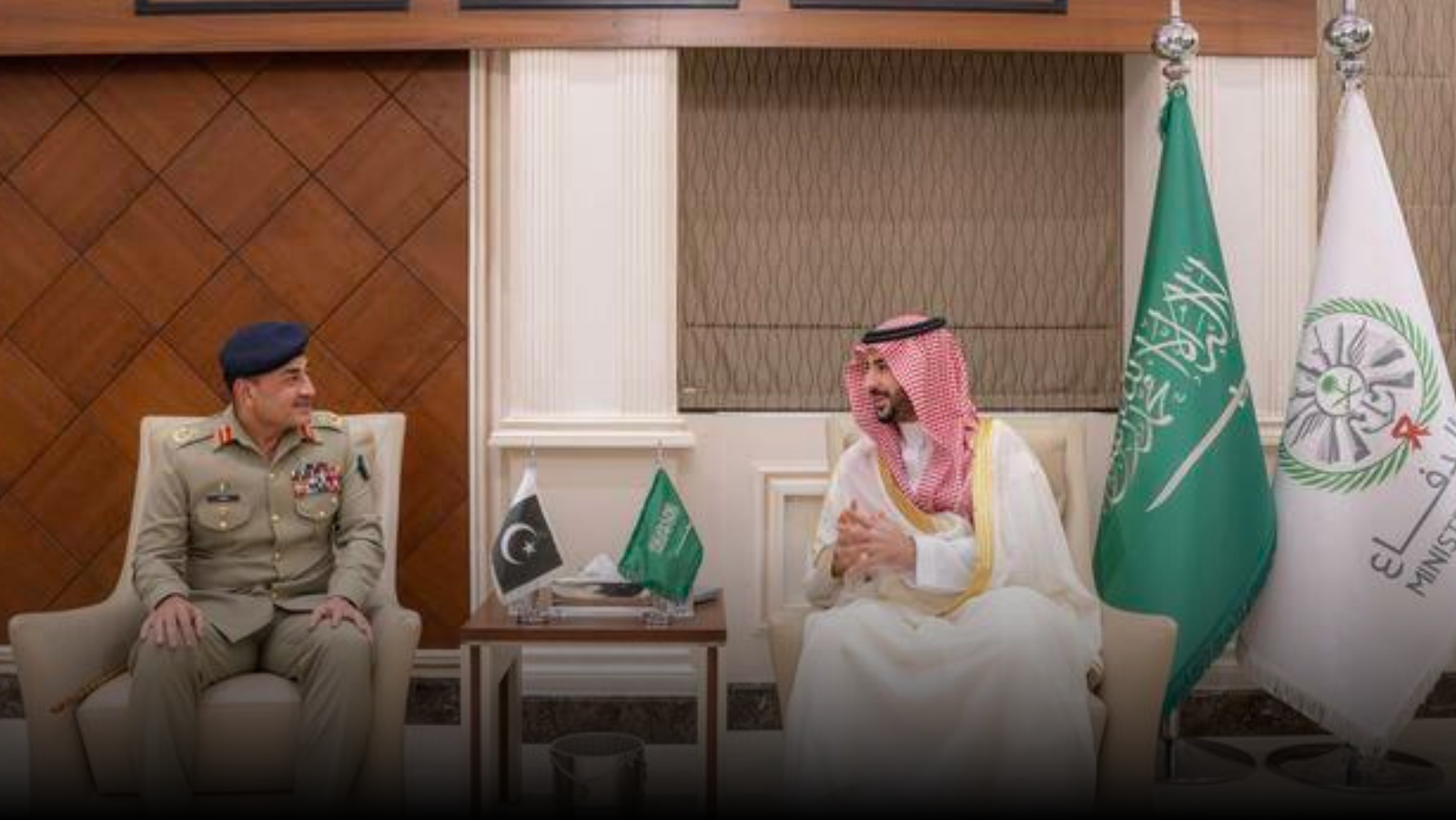
Saudi Defense Minister Prince Khalid bin Salman spoke with Pakistan’s Chief of Defense Forces General Asim Munir to review the situation and evaluate measures aimed at stopping further attacks. The discussion focused on strengthening cooperation under the Strategic Mutual Defense Agreement signed between Saudi Arabia and Pakistan.
According to official statements, both leaders addressed the recent Iranian attacks directed toward Saudi territory and emphasized the need for coordinated action to prevent further escalation. The Saudi defense minister said their discussions focused on steps to stop Iranian strikes on the Kingdom under their Joint Strategic Defense Agreement.”
The growing security crisis began after a large-scale military campaign targeting Iran started on February 28. Since then, Iranian forces have launched retaliatory strikes across several locations in the Gulf region. These attacks have included drones and other aerial threats targeting military and strategic infrastructure.
Saudi authorities confirmed that multiple drones attempting to strike the Shaybah oil field in the Empty Quarter were successfully intercepted and destroyed by Saudi air defense systems. The Shaybah facility is one of the Kingdom’s significant oil production sites, making it a strategic target during the ongoing conflict.
Officials stated that Saudi defense forces remain on high alert as they continue to monitor potential threats across the Kingdom’s airspace. The successful interception of the drones demonstrates the country’s defensive readiness but also highlights the seriousness of the escalating conflict.
Another incident occurred earlier in the week when a drone targeted the United States embassy compound in Riyadh. The attack resulted in a small fire but caused no casualties or major damage. Emergency teams quickly controlled the situation, and security forces intensified surveillance across diplomatic areas in the capital.
During their discussions, Saudi and Pakistani defense leaders stressed that attacks on the Kingdom threaten broader regional stability. Both sides agreed that such actions risk escalating tensions across the Middle East and could have far-reaching economic and security consequences.
The Strait of Hormuz has also become a major concern for global markets. Iran has taken steps that have disrupted energy shipping routes through the strategic waterway, raising fears of potential supply disruptions that could impact international oil markets. Since a large portion of global energy exports passes through the strait, any instability there can affect the global economy.
Saudi Arabia and Pakistan signed a Strategic Mutual Defense Agreement in September to strengthen military coordination and security cooperation. Under this agreement, any aggression against one country is treated as a threat against both nations. The framework allows for joint planning, intelligence sharing, and defense collaboration during times of crisis.
The recent discussions between Saudi and Pakistani defense officials highlight the importance of this agreement in responding to emerging regional threats. Analysts say the partnership plays a key role in maintaining stability in the Gulf and strengthening collective defense efforts.
In addition to defense talks, Saudi Interior Minister Prince Abdulaziz bin Saud bin Naif also held a separate conversation with Pakistan’s interior minister. During the call, Pakistan strongly condemned the attacks targeting Saudi Arabia and reaffirmed its solidarity with the Kingdom in confronting threats to its security.
Pakistan emphasized its support for Saudi Arabia’s sovereignty and stability, while both sides reiterated the need for responsible actions to prevent further escalation in the region. Officials also expressed hope that tensions could be reduced through careful decision-making and diplomatic efforts.
The ongoing crisis has raised concerns among regional governments as military exchanges continue. While defensive systems have successfully intercepted several threats, leaders across the region are calling for caution to prevent further destabilization.
The talks between Saudi Arabia and Pakistan represent a significant step toward coordinated security measures during a time of rising tension. As the conflict continues to evolve, both countries remain committed to protecting regional stability and ensuring that threats to the Kingdom are addressed through strong defense cooperation.
Good day! I know this is kinda off topic but I was wondering if you knew where I could find a captcha plugin for my comment form? I’m using the same blog platform as yours and I’m having difficulty finding one? Thanks a lot!