
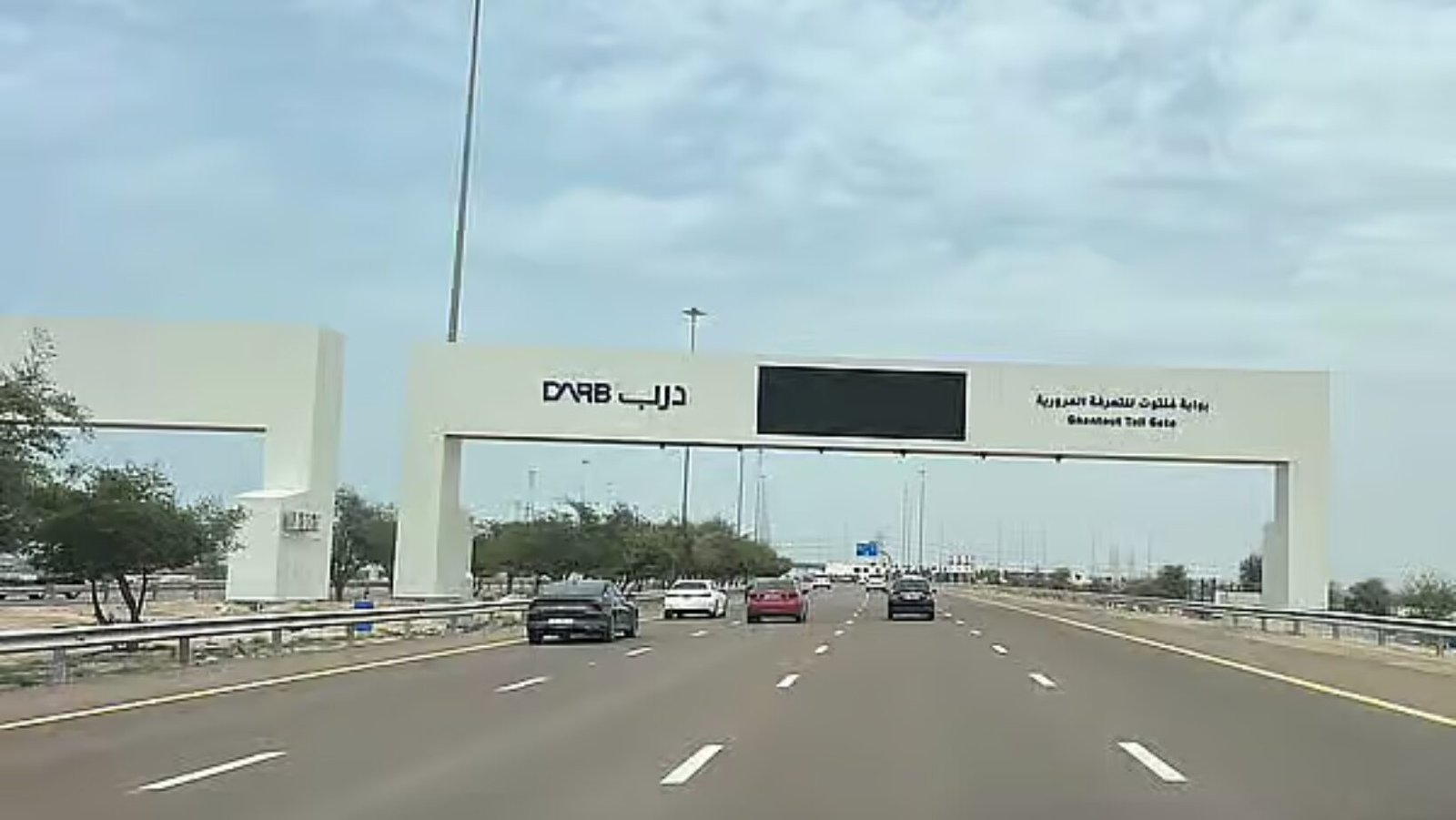
Dubai Property Market Faces Test Amid Iran Missile Strikes
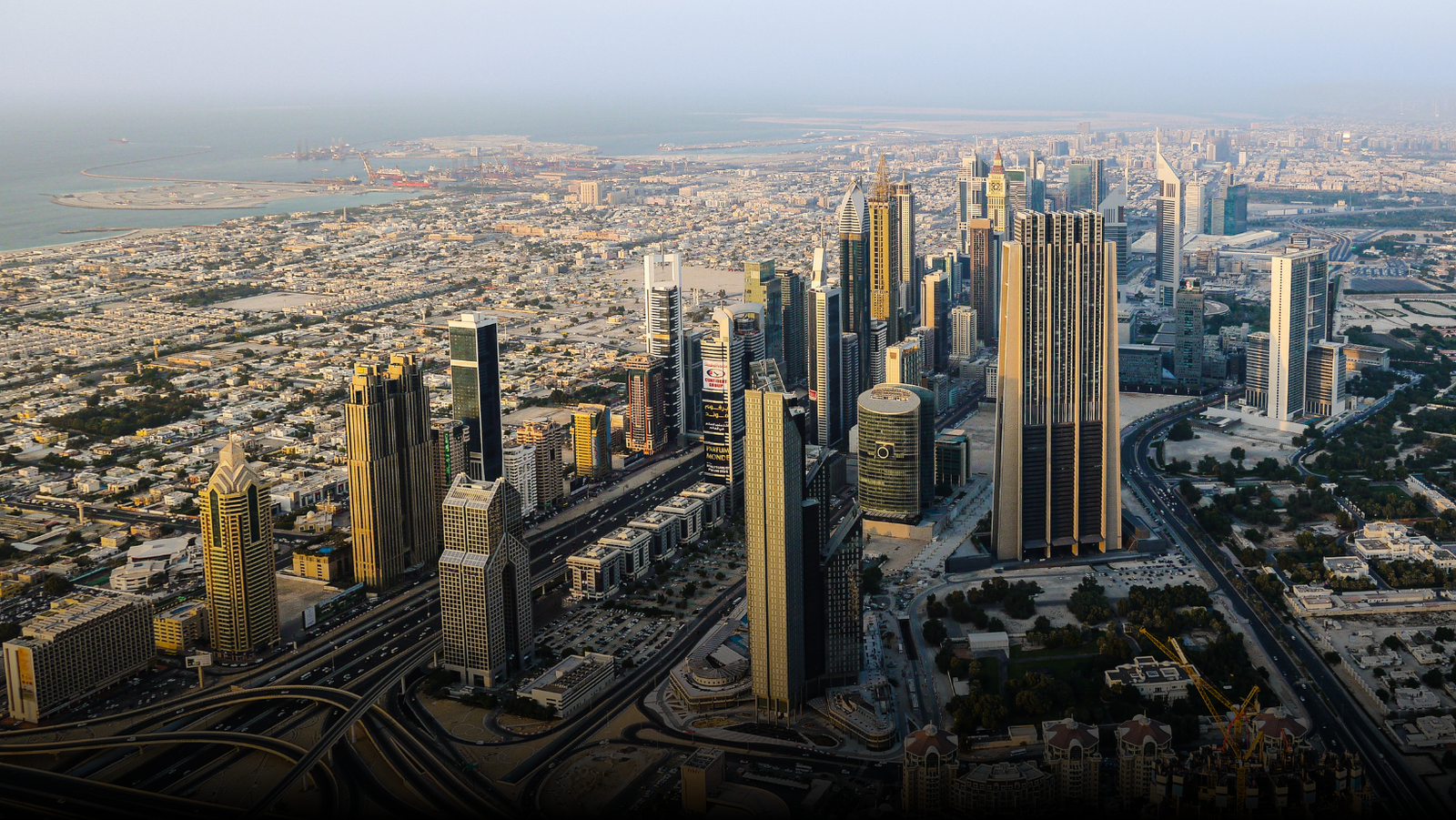
Dubai property market faces test as Iranian missile and drone strikes in March 2026 shake investor confidence across the UAE.
The Dubai property market faces test amid Iran missile strikes as rising geopolitical tensions across the Middle East raise concerns among global investors and real estate analysts. The latest escalation involving Iranian missile and drone attacks across the region in March 2026 has triggered uncertainty in financial markets, with Dubai’s booming real estate sector now under increased scrutiny.
Dubai has experienced one of the strongest property booms in its history over the past few years. The city has attracted billions of dollars in foreign investment thanks to its tax-friendly policies, world-class infrastructure, and reputation as a safe economic hub in the Middle East. However, the recent security developments in the Gulf region have placed the market under its most significant geopolitical test in years.
The Dubai property market faces test amid Iran missile strikes as investors reassess regional risk. Military tensions have disrupted air travel, caused temporary market volatility, and increased global attention on the stability of key Gulf economies. Some financial analysts believe that geopolitical uncertainty could slow short-term investment activity in the UAE’s real estate sector as buyers adopt a more cautious approach.
In recent years, Dubai’s property sector has been heavily supported by international buyers. Investors from Asia, Europe, and the wider Middle East have been major contributors to the city’s real estate boom. Many of these investors view Dubai as a global safe haven for capital due to its strong regulatory framework and stable currency environment. However, regional security risks can temporarily influence investment decisions, particularly among high-net-worth individuals managing large property portfolios.
Despite these concerns, the underlying fundamentals of Dubai’s real estate market remain strong. Population growth, increasing tourism, and a steady influx of expatriate professionals continue to drive housing demand across the emirate. Residential sales have remained high in recent years, and rental yields in Dubai are considered among the most competitive in major global cities.
The Dubai property market faces test amid Iran missile strikes, but historical trends suggest the sector may remain resilient. During previous periods of geopolitical instability in the region, Dubai often attracted additional investment as businesses and wealthy individuals relocated assets to the emirate seeking stability and security.
Market experts say that short-term caution among investors is common during periods of geopolitical tension. Property developers and financial institutions may temporarily delay new projects or adopt more conservative financing strategies while monitoring the evolving regional situation. If tensions persist, some segments of the property market—particularly mid-range housing developments—could experience slower demand or modest price adjustments.
However, prime real estate in key areas of Dubai is expected to remain relatively stable. Luxury waterfront properties, premium apartments, and villas in established communities typically attract cash buyers and long-term investors who are less sensitive to short-term geopolitical fluctuations.
Another factor supporting market stability is the diversification of Dubai’s economy. Unlike many oil-dependent economies in the region, Dubai generates the majority of its economic activity from sectors such as tourism, trade, logistics, finance, and technology. This diversified economic structure helps reduce the direct impact of regional conflicts on the emirate’s real estate market.
Furthermore, government policies aimed at attracting international investors—including long-term residency visas and business incentives—continue to strengthen the city’s appeal as a global investment destination.
While the Dubai property market faces test amid Iran missile strikes, many analysts believe the long-term outlook remains positive. Temporary volatility may occur as geopolitical developments unfold, but strong economic fundamentals and sustained international demand are expected to support the sector.
For now, investors and developers across the UAE are closely monitoring the regional situation. The coming weeks will likely determine whether the current tensions result in a short-term pause in property investment or a more prolonged impact on market confidence.
As the Middle East navigates a period of heightened geopolitical uncertainty, Dubai’s real estate sector once again finds itself balancing regional risk with its reputation as one of the world’s most dynamic property markets.
Hi! This post could not be written any better! Reading through this post reminds me of my good old room mate! He always kept chatting about this. I will forward this write-up to him. Pretty sure he will have a good read. Many thanks for sharing!
Good info. Lucky me I reach on your website by accident, I bookmarked it.