Russia condemns Iran leader assassination in strong diplomatic statement
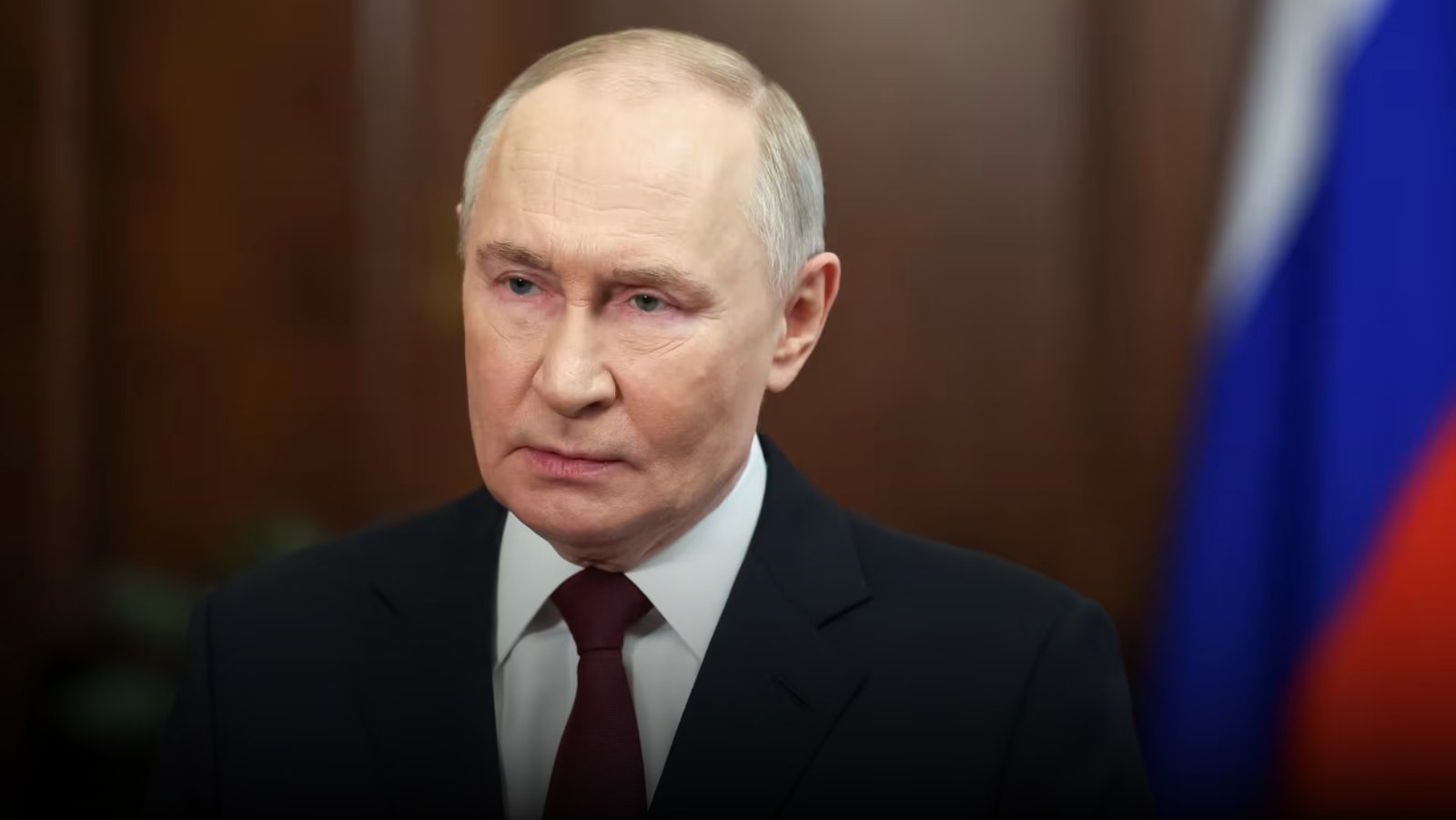
Russia condemns Iran leader assassination as unlawful and cynical
Russia condemns Iran leader assassination, with President Vladimir Putin calling the killing of Supreme Leader Ayatollah Ali Khamenei a deliberate and unlawful act that violates international norms. The Russian government described the assassination as cynical and deeply troubling, emphasizing that it undermines global legal standards and human morality.
Putin highlighted Khamenei’s role in strengthening ties between Russia and Iran, both politically and militarily, noting that his leadership contributed to regional stability and cooperation. The Kremlin’s response reflects Moscow’s longstanding alliance with Tehran and signals strong opposition to unilateral strikes on sovereign nations’ leaders.
Moscow emphasizes international law violations
Russia condemns Iran leader assassination while stressing that the targeted killing is a breach of international law. The Kremlin stated that such operations set a dangerous precedent and erode respect for the sovereignty of nations. Moscow reiterated that global disputes should be resolved through diplomacy, dialogue, and adherence to legal frameworks rather than military aggression.
Russian officials emphasized that the assassination constitutes both a moral and legal violation, arguing that targeting a national leader outside of declared conflict zones undermines the rules-based international order. Analysts note that this strong condemnation strengthens Russia’s position as a defender of international norms in the Middle East.
Strengthening the Russia-Iran alliance
Russia condemns Iran leader assassination while reaffirming the strategic partnership between Moscow and Tehran. Iran has been a critical partner in military and technological cooperation, providing support to Russia through drone technology, missile expertise, and intelligence sharing. The Kremlin emphasized that attacks on Tehran’s leadership are seen as a direct challenge to Russia’s security interests and its regional alliances.
Putin’s statement reinforces that Moscow remains committed to supporting Iran and maintaining stability in the region. Experts suggest that this stance will deter further unilateral military actions by foreign powers targeting Iran’s leadership or its military infrastructure.
Regional security and potential retaliatory risks
Russia condemns Iran leader assassination amid heightened regional tensions. Officials warned that the killing could provoke retaliatory attacks, further destabilizing the Middle East. The Kremlin urged restraint from all parties to avoid escalation and called for immediate measures to prevent civilian casualties and damage to critical infrastructure.
The assassination has raised fears of an intensified security crisis, with military and political analysts predicting that both Tehran and its allies may strengthen defensive measures. Russia stressed that any escalation would be counterproductive and could threaten international security and trade routes in the region.
Global reaction and diplomatic concerns
Russia condemns Iran leader assassination as global leaders express concern over the act’s implications. The Kremlin called on the international community to uphold diplomatic principles and seek peaceful resolutions. Russia warned that unilateral strikes on national leaders could increase instability and encourage similar actions elsewhere, potentially creating a chain reaction of conflict.
Putin highlighted that the assassination challenges the norms of responsible governance and international diplomacy, urging world powers to respect sovereignty and avoid provocative military operations. Moscow’s message underscores the importance of negotiation, mediation, and adherence to the United Nations Charter.
Humanitarian and moral impact
Russia condemns Iran leader assassination while noting the humanitarian and moral consequences of such targeted killings. The Kremlin stressed that attacks on political leaders can inflame public sentiment, disrupt social order, and put civilian populations at risk. Putin emphasized that adherence to ethical standards is crucial in preventing cycles of violence and fostering long-term peace.
The Russian statement also praised Khamenei’s contributions to regional stability and diplomacy, framing his assassination as not only a legal violation but also a moral affront to global society.
Looking ahead: stability and vigilance
Russia condemns Iran leader assassination while calling for ongoing vigilance and strategic planning. The Kremlin stated that Moscow will continue monitoring developments closely, coordinating with Tehran, and encouraging restraint among all regional actors. Officials reiterated that stability in the Middle East requires measured responses, dialogue, and strict adherence to international law.
Putin’s remarks signal that Russia is prepared to take diplomatic and strategic measures to prevent further destabilization, safeguard its regional partnerships, and reinforce the principle that sovereign leaders should not be subjected to extrajudicial attacks.
The Russian condemnation of the assassination demonstrates Moscow’s intent to maintain order in the Middle East, uphold legal norms, and emphasize the moral and political repercussions of such attacks. By addressing both legal and ethical dimensions, Russia positions itself as a key defender of international standards and regional stability.
For continuous updates on developments in the Middle East and Russia’s diplomatic positions, visit TimeOfGulf breaking news.