
Supreme Leader’s Compound Hit Sparks Regional Tensions
Escalation After Supreme Leader’s Compound Targeted
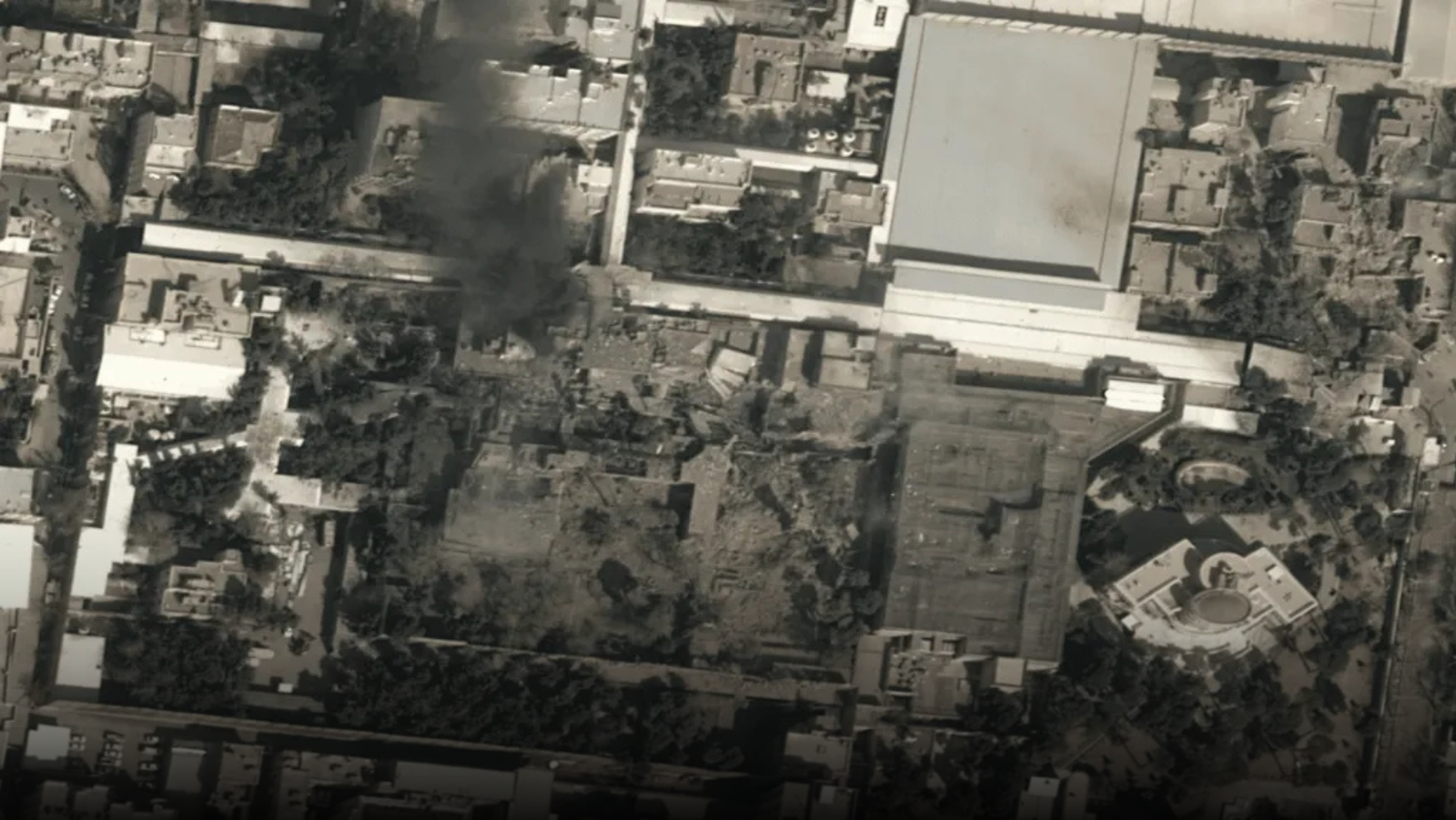
Tehran experienced explosions near the Supreme Leader Ayatollah Ali Khamenei’s compound as the US and Israel conducted large-scale strikes across Iran. Iranian officials confirmed the Supreme Leader is alive, but the attack marks a serious escalation in Middle East tensions.
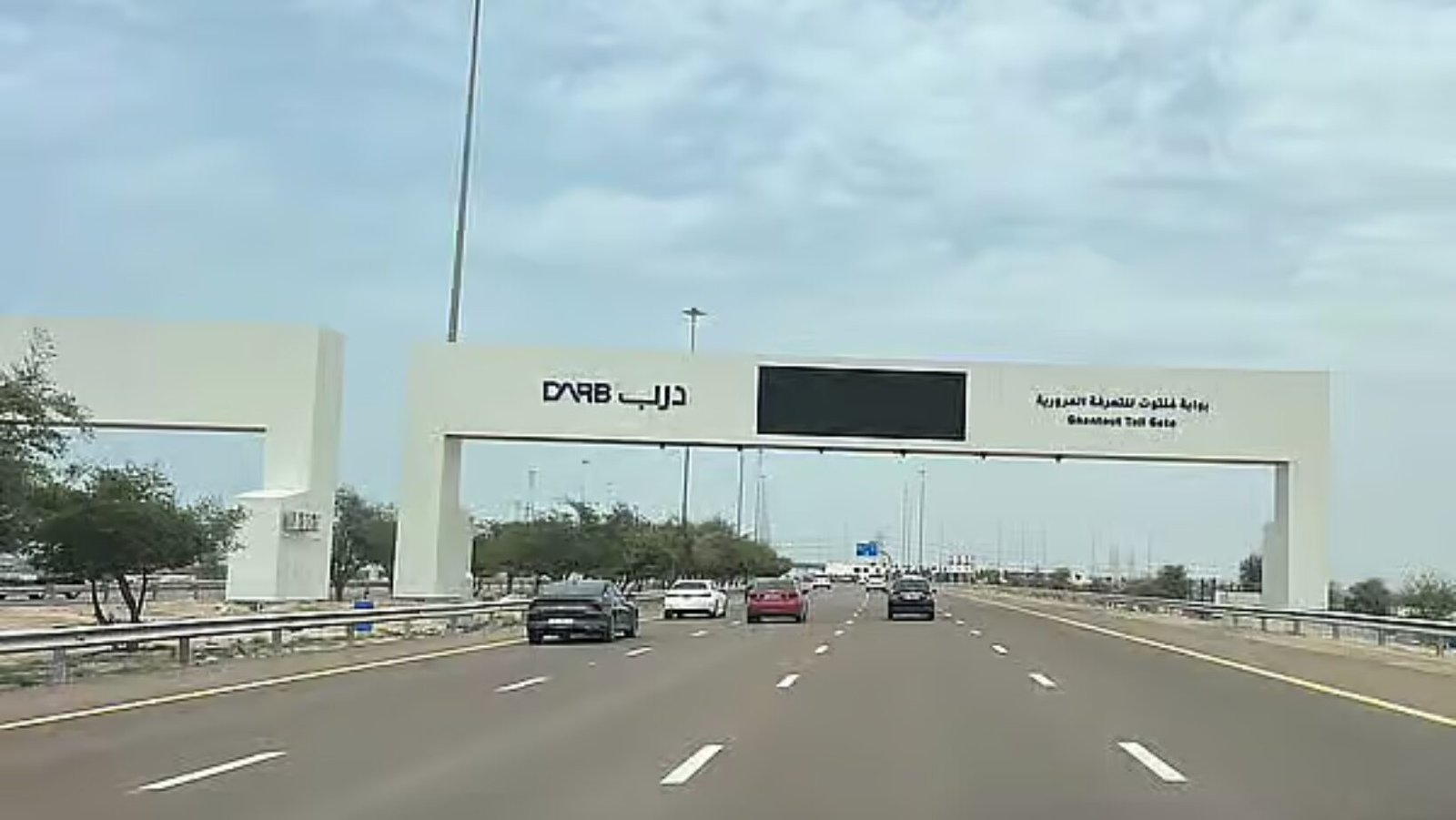
Iran responded by launching missiles toward Israel and Gulf states hosting US bases, including Bahrain, Kuwait, Qatar, and the UAE. Videos from Tehran show panic and damage in multiple cities including Karaj, Isfahan, Qom, and Kermanshah.
US and Israel Military Objectives
Israeli Defence Minister Israel Katz described the strikes as “pre-emptive” to neutralize threats, while President Trump said the operations were aimed at eliminating Iranian missile capabilities, naval assets, and regional proxies. Both leaders encouraged Iranian civilians to take control of their future once military actions concluded.
Regional Retaliation and Civilian Impact
Iran’s retaliatory strikes triggered airspace closures and missile defenses in the Gulf. Qatar intercepted attacks near Al Udeid Air Base, Jordan destroyed incoming missiles, and Kuwait neutralized threats at Ali Al-Salem Air Base. The UAE reported one civilian death due to debris, with most missiles intercepted.
Major airlines including Wizz Air, British Airways, Emirates, Lufthansa, Air India, and Turkish Airlines suspended or diverted flights across the Middle East. Governments have urged travelers to remain vigilant.
Implications for Regional Security
The strike near the Supreme Leader’s compound has heightened international concern. Gulf nations continue to condemn Iranian violations of regional sovereignty. Urgent diplomatic engagement is considered crucial to prevent further escalation. For background on regional tensions, see Iranian violations in the Gulf.
Pretty nice post. I just stumbled upon your blog and wished to say that I have really enjoyed browsing your weblog posts. In any case I’ll be subscribing on your feed and I am hoping you write once more very soon!