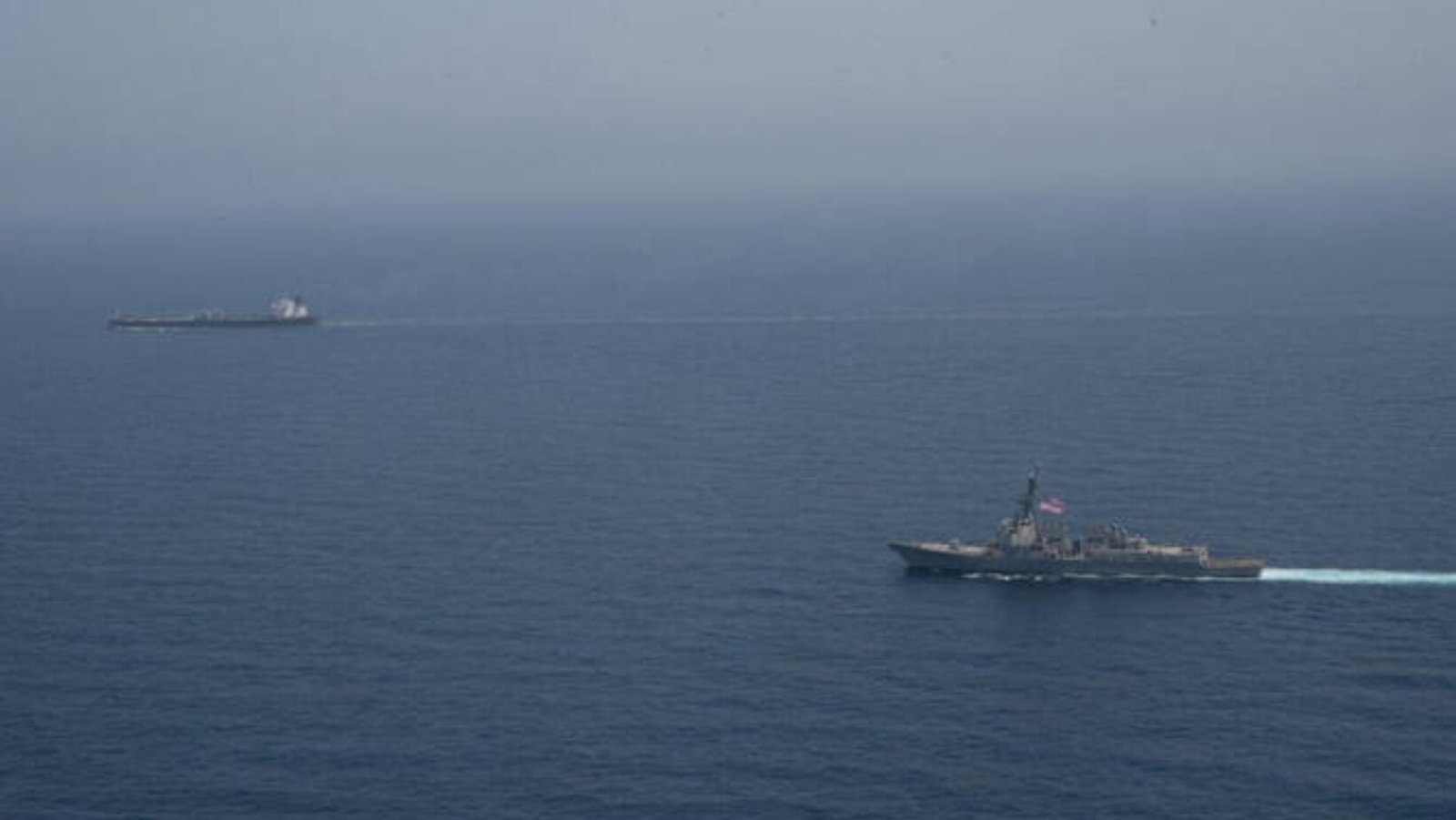

Japan to Deploy Missiles on Yonaguni Island by 2031
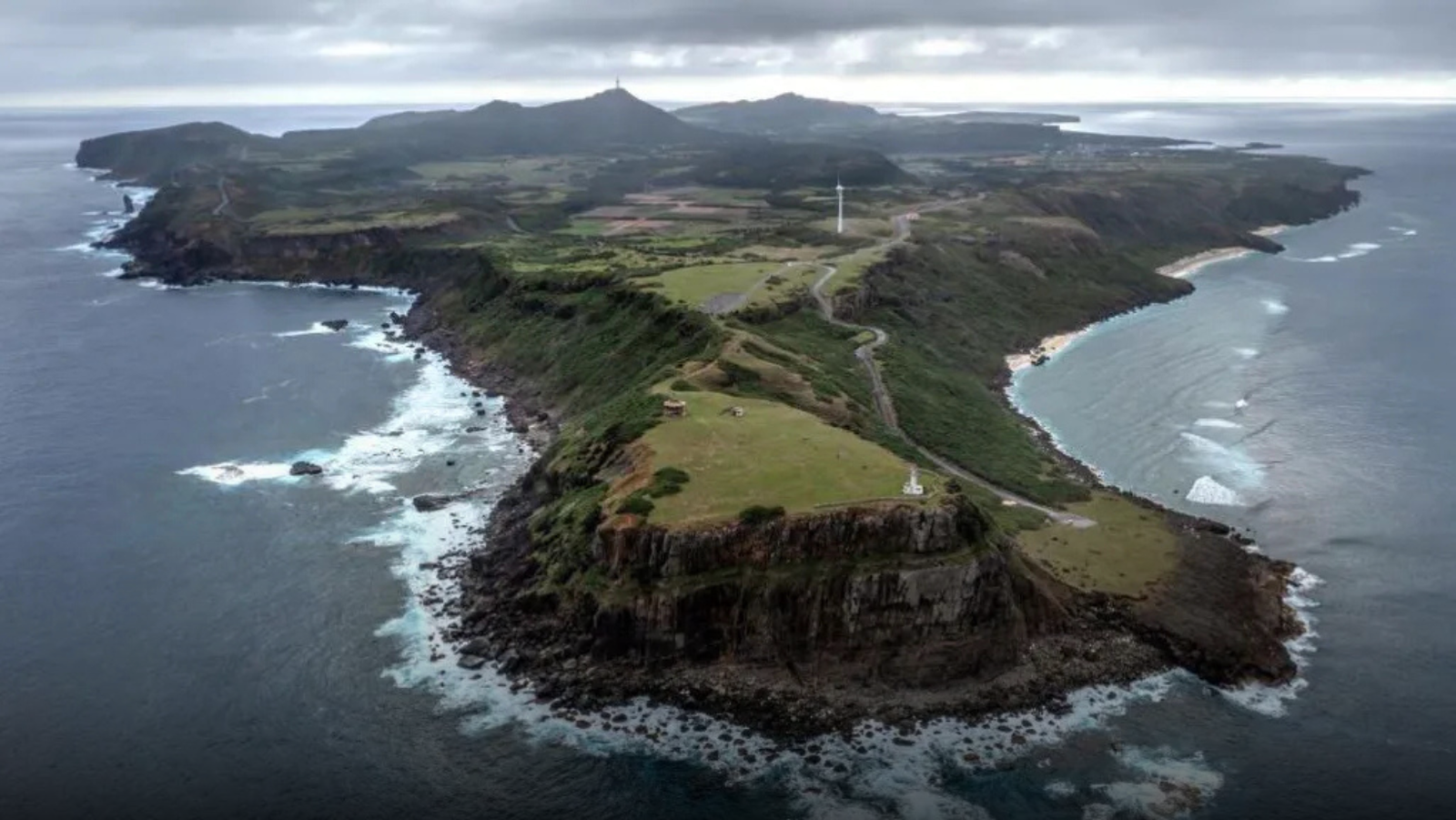
Japan plans strategic surface-to-air missile deployment on Yonaguni Island amid rising tensions near Taiwan
Tokyo: Japan has announced plans to deploy surface-to-air missiles on Yonaguni Island by March 2031, marking a significant step in the country’s defense strategy. Yonaguni, a remote island in the westernmost part of Japan, lies just 110 kilometers from Taiwan, giving it strategic importance amid ongoing regional tensions.
Officials emphasized that this deployment is part of Japan’s broader efforts to bolster its defense capabilities as geopolitical pressures rise in East Asia. The move reflects Japan’s intent to secure its territory and prepare for potential threats near the Taiwan Strait.
Strategic Importance of Yonaguni
Yonaguni Island holds immense strategic value due to its proximity to Taiwan and the East China Sea. With China claiming Taiwan as part of its territory, the island is positioned at a potential frontline for Japanese defense. The missile deployment will enable Japan to monitor airspace, intercept incoming threats, and strengthen its overall regional posture.
Military analysts suggest that Yonaguni’s location allows Japan to project defensive capabilities further into contested areas, deterring potential incursions while safeguarding key maritime routes. The island’s strategic relevance has grown steadily over the past decade, making it a critical site for Japan’s self-defense planning.
Missile System Specifications
According to Japanese defense officials, the Yonaguni unit will be equipped with medium-range surface-to-air missiles capable of intercepting both aircraft and incoming missiles. The system is expected to have a range of approximately 50 kilometers, provide 360-degree coverage, and track up to 100 targets simultaneously, engaging up to 12 targets at once.
The deployment will ensure that Yonaguni has robust defensive capabilities against air and missile threats, complementing existing self-defense forces stationed on the island. Experts note that such systems significantly enhance situational awareness and response times, which are critical in high-tension zones.
Historical and Regional Context
Japan first announced plans to enhance Yonaguni’s military capabilities in 2022, but the recent timeline announcement provides clarity on full operational readiness by 2031. Over the past decade, Yonaguni has gradually transformed into a military outpost, hosting around 160 self-defense personnel and coastal surveillance units.
An electronic warfare unit capable of disrupting enemy communications and radar is scheduled to be established on the island in fiscal year 2026. These developments indicate a steady buildup of Japan’s defense infrastructure to maintain readiness amid regional uncertainty.
Escalating Tensions in East Asia
The missile deployment comes amid heightened tensions between Japan and China. Beijing has expressed strong opposition to Japan’s defense posture, particularly following statements from Japanese leaders regarding potential activation of self-defense forces in response to threats to Taiwan.
These tensions have manifested in several ways, including economic restrictions, increased military presence, and heightened surveillance in the East China Sea. Yonaguni’s missile deployment is seen as a direct measure to safeguard Japan’s territorial integrity and assert its strategic priorities in the region.
Economic and Diplomatic Implications
The defense buildup on Yonaguni Island also carries potential economic and diplomatic consequences. Analysts suggest that China may respond with further trade restrictions or diplomatic pressure, as seen in previous disputes involving regional defense initiatives.
Japan’s strategic moves could influence trade relations, regional security collaborations, and the broader balance of power in East Asia. Maintaining a defensive posture while managing diplomatic relations will be crucial for Tokyo in the coming years.
Japan’s Defense Strategy
The Yonaguni missile deployment is part of Japan’s broader strategy to enhance self-defense across remote islands near sensitive geopolitical areas. Officials stress that the plan is defensive in nature, designed to protect Japanese territory and maritime routes rather than provoke conflict.
By equipping islands like Yonaguni with modern missile systems and electronic warfare capabilities, Japan aims to strengthen deterrence and maintain situational control over areas vulnerable to potential incursions. Defense experts highlight that preparedness and technological upgrades are central to Japan’s long-term security strategy.
Security and Operational Planning
Japanese defense authorities have emphasized that the current timeline, targeting fiscal year 2030 for full deployment, is flexible and dependent on the progress of facility improvements. This includes infrastructure upgrades, logistical planning, and training of personnel to operate advanced missile systems.
The approach combines technology, manpower, and strategic location to ensure Yonaguni functions effectively as a frontline defense point. The planning also integrates coordination with broader regional defense exercises and maritime monitoring.
International Reactions
While Japan focuses on strengthening defense readiness, analysts suggest that neighboring countries and global powers will closely monitor the developments on Yonaguni. The missile deployment may influence regional security dialogues, alliances, and strategies in response to shifting military capabilities in East Asia.
Such moves can also serve as a signal to allies about Japan’s commitment to its own defense and to regional stability, particularly in light of Taiwan’s contested status. The strategic positioning of Yonaguni ensures that Japan remains proactive in mitigating potential security risks.
Looking Ahead
With full missile deployment scheduled for 2031, Yonaguni is expected to evolve into one of Japan’s most fortified remote islands. Additional defense enhancements, including radar systems, electronic warfare units, and logistical support, will complement the missile system, ensuring a comprehensive defense framework.
Analysts predict that Japan will continue upgrading its self-defense infrastructure across the southwestern islands to counter potential threats, strengthen deterrence, and maintain regional stability. The developments highlight Japan’s proactive approach in anticipating future security challenges.
Conclusion
In conclusion, Japan to deploy missiles on Yonaguni Island by 2031 marks a significant milestone in the country’s defense strategy. The missile system will provide medium-range air defense capabilities, strengthen Japan’s strategic posture near Taiwan, and enhance deterrence against potential threats in the region.
Yonaguni’s transformation into a fortified military outpost demonstrates Japan’s commitment to safeguarding its territory while navigating complex regional tensions. The deployment underscores the balance between defensive preparedness and maintaining diplomatic stability in East Asia, highlighting the importance of strategic planning for future security challenges.
For the latest updates on regional defense and East Asia security, visit Time of Gulf for in-depth analysis.