
First Saudi State’s Economy Laid Foundation for Modern Stability
The economy of the First Saudi State played a key role in shaping the foundations of modern stability in the Arabian Peninsula, historians say. Strategic measures implemented during this period helped consolidate political influence, unify regions, and promote social organization, setting the stage for a thriving economic system.
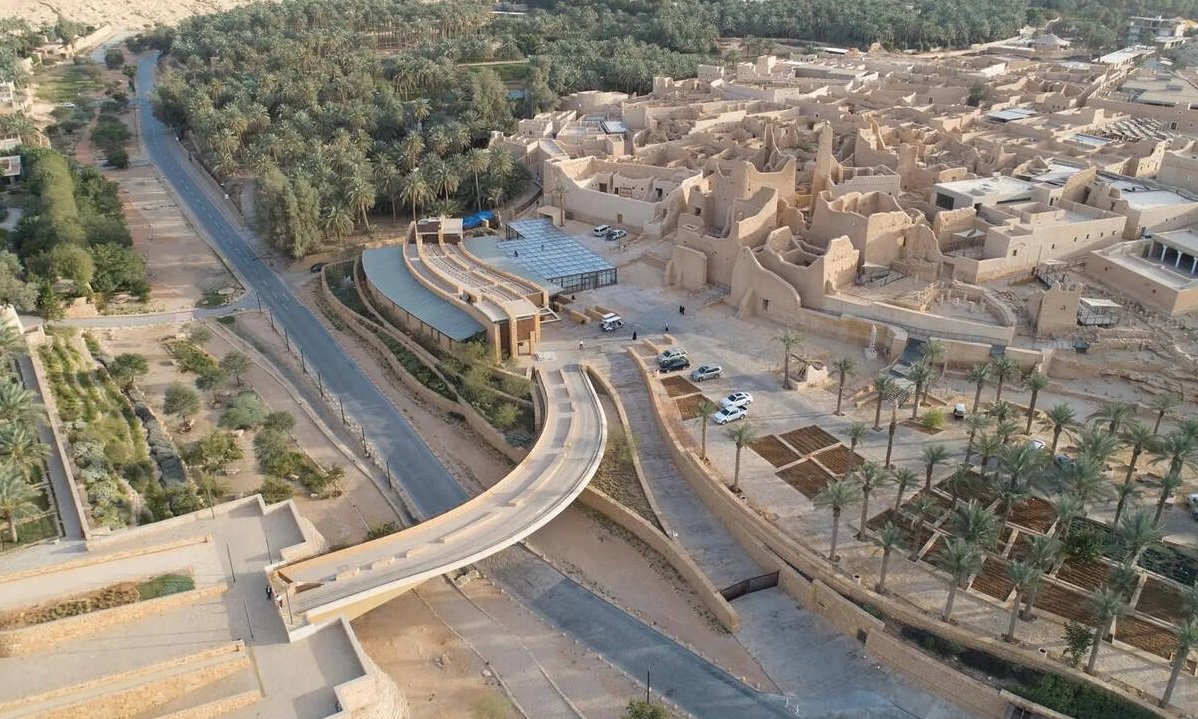
According to the book Diriyah: Origins and Development during the First Saudi State by Dr. Abdullah Al-Saleh Al-Othaimeen, the early policies encouraged trade, stabilized markets, and improved daily life in Diriyah and its surrounding areas. These initiatives facilitated the arrival of caravans, secured major trade routes, and revived commerce across the region.
Diriyah emerged not only as a center of political and intellectual activity but also as a vibrant economic hub. Its markets attracted merchants, students, and visitors from across the Arabian Peninsula. Local communities supported themselves through diverse economic activities, including trade, agriculture, and livestock breeding, with horses and camels playing essential roles in transportation, commerce, and safeguarding trade routes.
Economic development during the era strengthened Diriyah’s position as a leading commercial and political center, ensuring the First Saudi State’s influence and laying the groundwork for stability that would endure in the region.