

Oman’s Telecom Sector Records 25% Revenue Growth Amid Rapid Digital Infrastructure Expansion
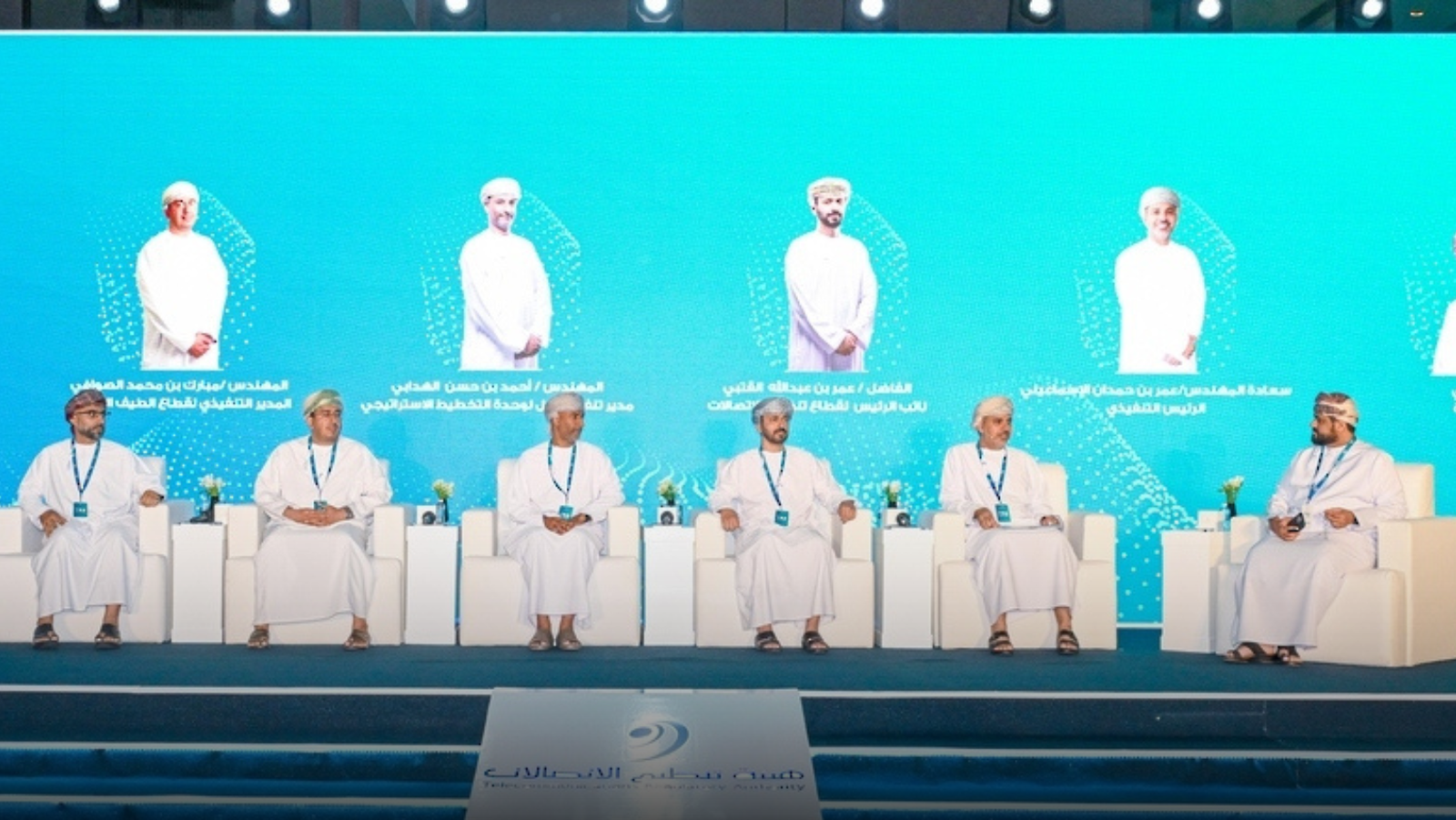
Oman’s telecommunications sector has reported strong growth, with revenues rising by 25 percent in 2025, driven by rapid expansion in digital infrastructure and widespread adoption of advanced connectivity technologies. The announcement was made by the Telecommunications Regulatory Authority (TRA) during a media briefing in Muscat, highlighting five years of sector transformation from 2021 to 2025.
Mobile subscriptions in the Sultanate reached 6.42 million, representing a 7 percent increase over the past half-decade, while Internet of Things (IoT) connections surged by 358 percent to 1.632 million. Fixed broadband subscriptions rose by 14 percent, alongside a 189 percent growth in fifth-generation (5G) base station deployments, reflecting significant network modernisation across the country.
High-speed fixed broadband coverage now reaches 67 percent of residential units, and all government schools have achieved full internet connectivity, with 97 percent served by high-speed broadband infrastructure. TRA officials noted that these developments support Oman’s push toward a digitally integrated economy and improved educational services.
The telecommunications sector generated approximately OMR961 million in revenue during 2025. The postal and related services sector also performed strongly, with revenues for 87 licensed companies rising 81 percent to OMR29.5 million. Omanisation rates stood at 94 percent in telecommunications and 73 percent in postal services, underscoring the successful integration of national talent.
Under the “Nafath” initiative, the TRA launched 843 projects across both sectors with a total value of OMR29.2 million, including OMR1.8 million allocated to small and medium enterprises (SMEs) holding Riyada cards. Regulatory oversight recorded 183 violations against sector companies, resulting in fines totaling OMR1,042,000.
TRA Chief Executive Eng. Omar bin Hamdan Al Ismaili stated that 50 government schools have been connected to high-speed internet through Starlink satellite technology, enhancing digital services for educational institutions. He further emphasized that TRA is developing national infrastructure to accommodate artificial intelligence (AI) technologies, attract international investment, and safeguard user privacy and government data.
Looking ahead, the TRA plans to focus on generating quality employment opportunities, stimulating investment, accelerating revenue growth, and improving service quality standards. A new regulation protecting beneficiaries from intrusive or fraudulent communications is expected to be issued in the coming month, reinforcing consumer protection across the sector.