Trump’s Peace Board Summit Faces Hurdles as Major Allies Decline Participation
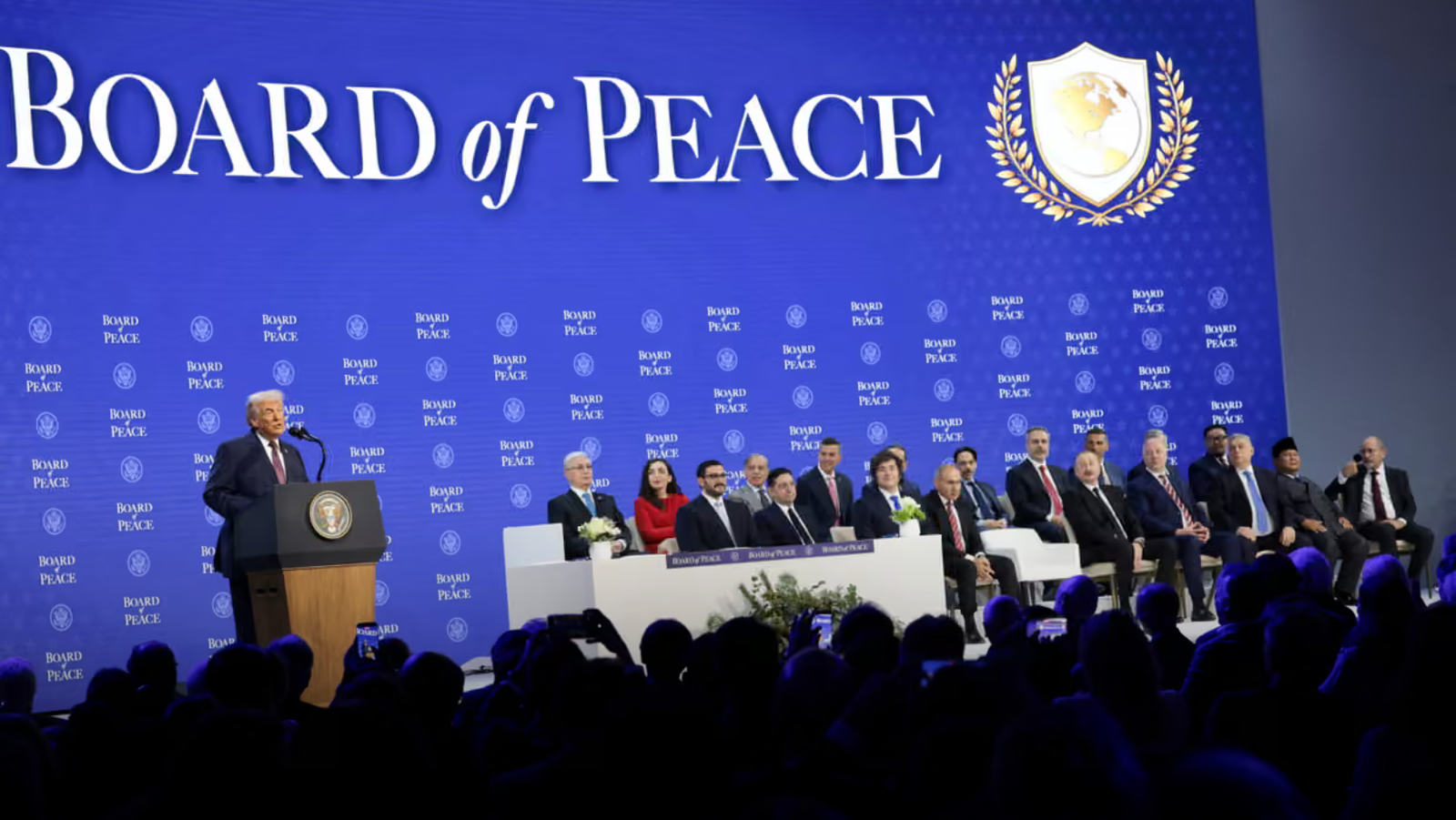
The inaugural meeting of Trump’s Peace Board opened in Washington this week amid rising skepticism from international partners. Former US President Donald Trump has positioned the board as a global initiative focused on conflict resolution and reconstruction, particularly in war-torn regions such as Gaza. However, several prominent European nations have declined to attend, highlighting both political and logistical challenges for the initiative.
The summit was held at the newly renamed Donald J. Trump Institute of Peace, attracting delegations from multiple countries, including some Middle Eastern and Latin American representatives. While the United States emphasized the board’s humanitarian and diplomatic goals, critics questioned the transparency of funding and the political influence the former president may retain over the initiative.
European Allies Opt Out Amid Skepticism
Key European leaders, including representatives from the United Kingdom, Germany, and France, confirmed their decision not to attend the summit. The European Commission, led by Ursula von der Leyen, also declined participation, citing concerns over overlapping responsibilities with established international institutions.
Observers note that these absences could affect the credibility of Trump’s Peace Board, especially given Europe’s prominent role in global diplomacy and humanitarian aid. Critics argue that sidelining traditional frameworks, such as the United Nations, could complicate coordination on reconstruction and peacekeeping efforts.
Focus on Gaza Reconstruction and International Stabilization
Despite skepticism from Western allies, the board’s agenda included a proposed reconstruction plan for Gaza, where recent conflicts between Israel and Hamas have left infrastructure heavily damaged. According to officials, member states have pledged over $5 billion toward rebuilding efforts and have committed thousands of personnel to an International Stabilization Force.
The initiative aims to coordinate humanitarian aid, rebuild essential infrastructure, and provide security support for civilians in affected areas. While ambitious, analysts warn that translating pledges into actionable programs will require meticulous planning and international cooperation.
Funding and Political Concerns Loom Large
Questions over the board’s financial and political structure have emerged as several countries expressed hesitation in participating. Observers note that participation reportedly requires substantial financial contributions, raising concerns about equity and influence over decision-making processes.
Additionally, some critics worry that Trump’s Peace Board may allow former President Trump to maintain political leverage beyond his tenure. This perception has fueled debate among policymakers and global institutions regarding the board’s legitimacy and long-term governance.
Middle Eastern Delegations Show Interest
While several Western nations declined participation, representatives from Israel, the United Arab Emirates, Saudi Arabia, Turkey, Jordan, and Qatar attended the summit. Some Latin American countries, including Argentina and Paraguay, also sent delegations.
The presence of Middle Eastern participants underscores regional interest in addressing immediate security and reconstruction challenges. For Gaza in particular, securing international collaboration is crucial for delivering humanitarian aid and ensuring the safety of civilians amidst ongoing tensions.
Humanitarian Aid Delivery and Ground-Level Progress
Although pledges have been made, reports indicate that tangible progress on the ground remains limited. Aid deliveries to Gaza have faced logistical challenges, and reconstruction projects are still in preliminary planning stages. Coordinators stress that infrastructure rebuilding, governance arrangements, and security mechanisms must be carefully executed to prevent further complications.
The proposed International Stabilization Force, designed to maintain order and protect civilians, has yet to materialize fully. Some countries, such as Indonesia, have offered personnel, but deployment logistics and operational command structures are still under discussion.
Questions Over Governance and Oversight
The board’s governance structure remains a point of contention. Observers highlight that authority, accountability, and operational transparency must be clearly defined to prevent political disputes and ensure effective implementation.
While Trump emphasizes the board’s mission of fostering peace and reconstruction, detractors argue that parallel structures to existing organizations could create confusion, reduce efficiency, and complicate long-term international cooperation.
Historical Context and Diplomatic Implications
This initiative marks a rare post-presidential effort to convene global leaders under a personal diplomatic framework. Historically, reconstruction and peacebuilding efforts have been led by multilateral institutions like the United Nations or NATO. By contrast, Trump’s Peace Board represents a hybrid model blending diplomacy, fundraising, and strategic influence.
Diplomats and analysts are monitoring the board closely, noting that the ability to deliver measurable outcomes may determine its credibility in global affairs. Success or failure could set a precedent for similar initiatives led by former world leaders.
Criticism and Calls for Measurable Outcomes
Critics argue that without concrete results, pledges made at the summit risk being symbolic rather than transformative. The credibility of the board hinges on transparency, accountability, and tangible improvements for affected populations.
Humanitarian experts emphasize that rebuilding infrastructure, ensuring access to essential services, and stabilizing security conditions in Gaza will require both funding and a coordinated international strategy. They caution that political disputes should not overshadow urgent humanitarian needs.
Looking Ahead: Challenges and Opportunities
As the summit concludes, stakeholders remain cautious. Questions over funding, governance, and long-term sustainability are yet to be fully addressed. Observers note that achieving meaningful outcomes will require careful coordination between participating nations, international agencies, and local authorities.
Supporters remain hopeful that the initiative can complement existing humanitarian frameworks and contribute to conflict resolution. They highlight that even partial success in Gaza could enhance global perceptions of cooperative peacebuilding led by innovative platforms such as Trump’s Peace Board.
For more updates on global diplomacy, peace initiatives, and breaking news, visit our website regularly.