Iran Agrees Guiding Principles With US in Geneva Talks
Iran and US make progress on nuclear negotiations, agreeing on general principles to guide future discussions
Geneva: Iran has reported progress in its latest round of indirect negotiations with the United States, describing the talks as more constructive than previous meetings and confirming that both sides reached an understanding on general guiding principles that could shape a potential future agreement on Tehran’s nuclear program.
The three-and-a-half-hour discussions were held in Geneva and facilitated by intermediaries, focusing on possible limitations to Iran’s nuclear activities under the supervision of the International Atomic Energy Agency (IAEA). Iranian officials emphasized that these guiding principles provide a framework for continued diplomatic engagement while acknowledging that significant differences remain.
Key Outcomes From the Talks
Iran’s Foreign Minister Abbas Araghchi stated that both delegations had agreed on broad principles, which could form the foundation for further negotiations. While progress was noted compared with earlier discussions, Araghchi cautioned that bridging remaining gaps would require additional exchanges and careful review of draft proposals.
Although no immediate statement was released by the US delegation, Washington is expected to maintain its military presence in the region in anticipation of future talks. The ongoing negotiations unfold against a backdrop of heightened regional tensions, where naval deployments and strategic positioning continue to influence diplomatic efforts.
Regional Security Considerations
The presence of US warships near the Persian Gulf has further complicated the diplomatic environment. Iran’s Supreme Leader, Ali Khamenei, underscored that while naval forces are formidable, defensive measures capable of countering such threats are available, highlighting Tehran’s continued focus on regional deterrence.
Iran also conducted limited naval exercises, including live-fire drills near the Strait of Hormuz, a critical waterway for global energy supplies. These activities signal Iran’s dual approach of pursuing diplomacy while maintaining a credible defensive posture.
Nuclear Issues and Verification
Negotiators concentrated on several nuclear-related issues, including uranium enrichment levels, potential dilution of higher-grade uranium, and the scope of IAEA monitoring. Iranian officials indicated discussions around diluting part of its 60 percent enriched uranium stockpile—a level nearing weapons-grade but not required for civilian purposes.
The talks also addressed the duration of any suspension of enrichment activities. While the US favors long-term limitations, Iran maintains its right to domestic enrichment for peaceful energy needs. Verification mechanisms remain central to the process, with both sides engaging the IAEA Director General prior to the talks to discuss monitoring and inspection protocols. Any formal agreement is expected to require the return of international inspectors to nuclear facilities in Iran.
Diplomatic Implications
The indirect talks in Geneva reflect Iran’s willingness to engage diplomatically without compromising its core interests. Araghchi stressed that Iran does not seek nuclear weapons and remains open to cooperation with the IAEA within a negotiated framework.
Observers note that trust-building, transparency in verification, and carefully designed mechanisms for compliance will be crucial for translating these guiding principles into a formal agreement. The negotiations also test the ability of both sides to navigate domestic political pressures while avoiding escalation in the region.
Domestic Context in Iran
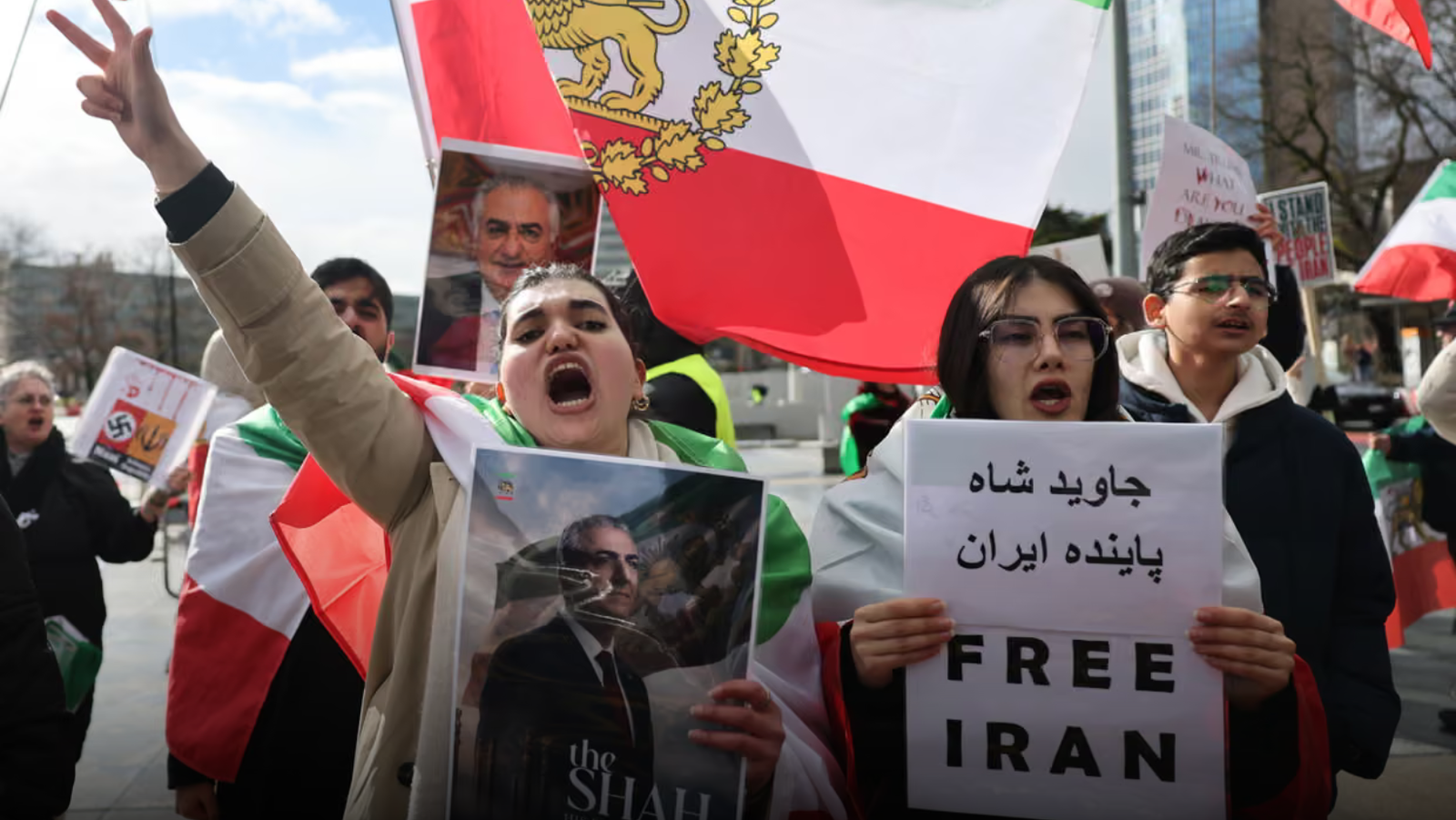
Internal developments in Iran have added complexity to the diplomatic landscape. Memorial events marking 40 days since protest-related deaths drew large gatherings, highlighting ongoing political sensitivities. President Masoud Pezeshkian attended ceremonies in Mashhad, emphasizing the government’s focus on domestic stability amid negotiations.
Iran has rejected parallel investigations into protest-related deaths by independent bodies, insisting that domestic inquiries suffice. Thousands of demonstrators face legal proceedings, and several reformist figures have been detained in recent weeks. These internal dynamics underscore the balancing act Iranian officials face between maintaining control at home and engaging internationally.
Future Negotiations
Araghchi indicated that the path toward a formal agreement has begun but will require continued dialogue and multiple rounds of technical discussions. A new meeting could occur within the next two weeks if progress continues positively, signaling both sides’ interest in sustaining momentum.
Experts suggest that the guiding principles agreed upon in Geneva may serve as a roadmap for further negotiations, ensuring that discussions remain structured and focused on verifiable steps. The framework also provides a basis for confidence-building measures that could reduce regional tensions over time.
Strategic Importance of the Talks
These negotiations are pivotal not only for the US and Iran but also for regional and global stability. The outcome has implications for energy security, international trade, and the broader balance of power in the Middle East. Maintaining channels of dialogue, even amid challenging conditions, is essential to preventing further escalation.
The talks also highlight the role of third-party facilitation. Intermediaries played a critical role in bridging gaps between the two delegations, enabling discussions on sensitive issues that may have been difficult to address directly.
Conclusion
In conclusion, Iran agrees guiding principles with US in Geneva talks signals cautious optimism in nuclear diplomacy. While broad agreement has been reached on general principles, detailed negotiations remain necessary to resolve remaining differences.
Iran’s focus on uranium enrichment, verification measures, and strategic deterrence reflects its priorities in safeguarding national interests while engaging internationally. The Geneva talks demonstrate the delicate balance between advancing diplomacy, ensuring regional security, and managing domestic political considerations.
As both sides continue discussions, the guiding principles agreed upon serve as a foundation for future negotiations, emphasizing the importance of structured dialogue, verification mechanisms, and careful confidence-building to prevent escalation and foster long-term stability in the region.
For more updates on Middle East diplomacy and nuclear talks, visit Time of Gulf for the latest stories.