Vietnam Russia Nuclear Power Deal Signals Southeast Asia’s Push for Energy Security
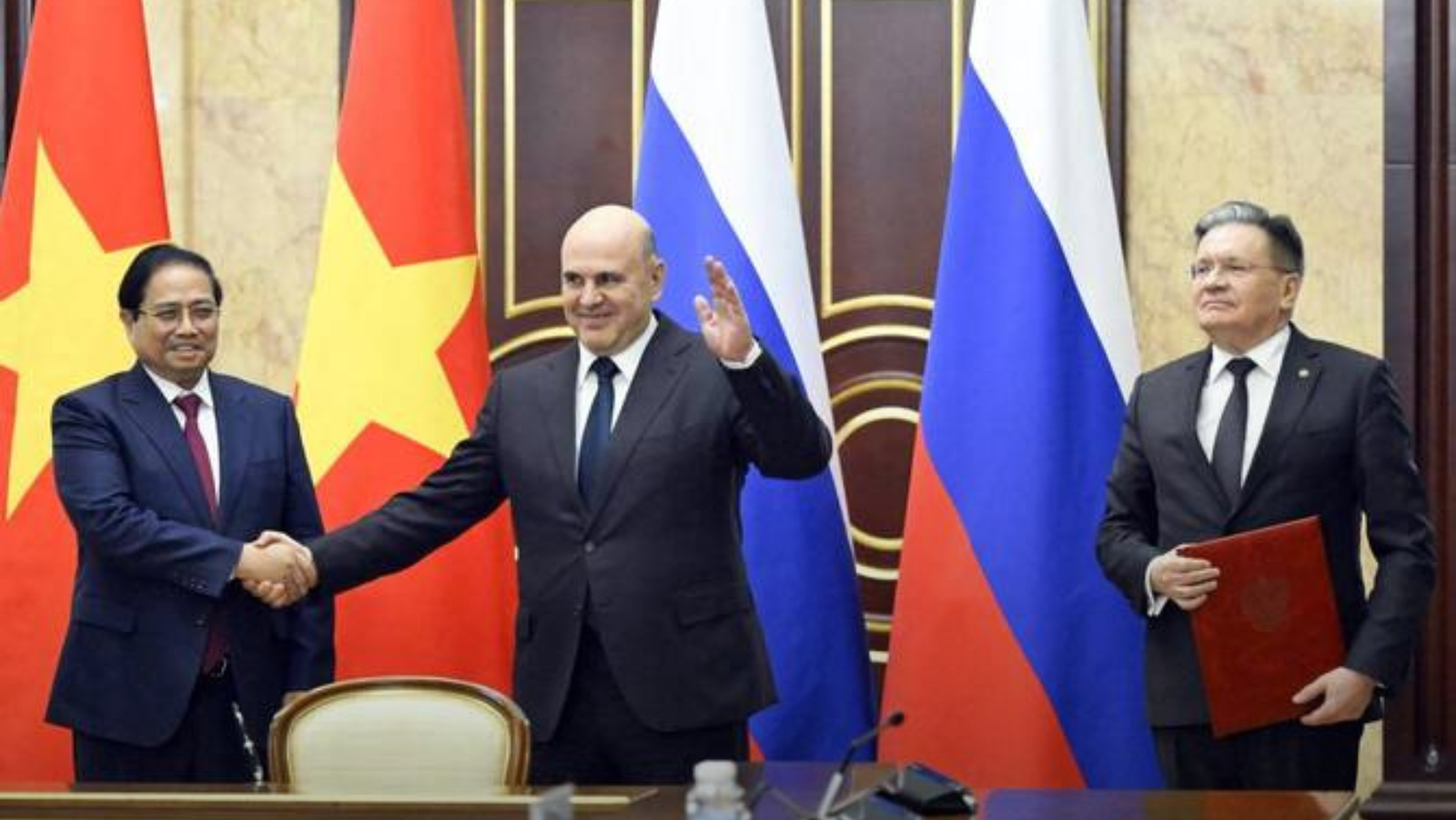
Vietnam and Russia have taken a major step forward in nuclear energy cooperation with the signing of a new deal to construct a nuclear power plant in Vietnam. The agreement, which marks a significant milestone in bilateral ties, comes amid growing concerns over energy security and rising fuel costs in Southeast Asia. It also reflects Vietnam’s ambition to secure a stable, low-carbon energy future while continuing its rapid economic growth.
Vietnamese Prime Minister Phạm Minh Chính visited Moscow, where he and Russian Prime Minister Mikhail Mishustin, along with Alexei Likhachev, head of Russia’s Rosatom, signed an agreement to move forward with the Ninh Thuan 1 nuclear power plant. Vietnamese authorities called the project a ‘symbolic testament’ to the enduring friendship between Vietnam and Russia.
Details of the Vietnam Russia Nuclear Power Deal
Under the agreement, the Ninh Thuan 1 plant will include two Russian-designed reactors with a combined output capacity of 2,400 megawatts. The design is based on an existing Russian nuclear facility, incorporating advanced safety features that aim to meet modern international standards. This approach is intended to provide both reliable energy and environmental benefits, reducing Vietnam’s dependence on fossil fuels while contributing to its greenhouse gas reduction goals.
Vietnam’s nuclear energy ambitions date back more than a decade, but previous plans faced obstacles. Two earlier projects were canceled in 2016 due to escalating costs and safety concerns. The renewed focus on nuclear energy now reflects not only technological advances but also the urgency for a stable power supply in the wake of global energy market disruptions. Rising international fuel prices and supply volatility have underscored the strategic importance of energy independence for Vietnam’s fast-growing economy.
The Ninh Thuan 1 plant is expected to play a key role in Vietnam’s long-term energy strategy. It is part of a broader plan to meet the country’s increasing electricity demand, projected to grow sharply as industrial activity and urban development expand. Energy experts note that nuclear power provides a consistent and reliable source of electricity, which can complement renewable energy sources such as solar and wind, helping Vietnam balance supply and reduce reliance on imports.
Economic and Strategic Implications
The Vietnam Russia nuclear power deal is not only about energy. It also represents a strategic deepening of bilateral relations between the two countries. Vietnam and Russia share a historical connection dating back to the Cold War era, and economic cooperation has expanded gradually in recent years. While trade between the two nations remains modest compared to Vietnam’s relations with China or the United States, agreements such as this nuclear project signal a commitment to more substantive economic collaboration.
Beyond nuclear energy, discussions during the Moscow visit included potential cooperation in oil and gas, technology transfer, and infrastructure development. These talks underscore Vietnam’s intent to diversify its energy portfolio while benefiting from Russian expertise and investment. Analysts suggest that the collaboration could also serve as a platform for future projects, enhancing both countries’ influence in regional energy markets.
Vietnam’s government has framed the nuclear plant as a key component of its ambition to become one of Asia’s “tiger economies” by 2050. Reliable energy infrastructure is essential for sustaining high growth rates, attracting foreign investment, and supporting industrialization. By tapping into nuclear power, Vietnam aims to secure a long-term solution for energy supply challenges that could otherwise limit economic expansion.
Nuclear Energy and Regional Trends
Across Southeast Asia, several countries are revisiting nuclear energy as part of their strategies to achieve cleaner and more dependable power. Advocates argue that modern nuclear reactors offer advantages over traditional fossil fuels, including lower carbon emissions, higher energy density, and long-term cost-effectiveness. Safety improvements, smaller reactor designs, and international regulatory oversight have also made nuclear energy more feasible in regions that were previously cautious about adopting it.
Vietnam’s renewed investment in nuclear power comes amid heightened global awareness of energy security. Geopolitical tensions and regional conflicts have disrupted fuel supplies, causing price spikes and economic uncertainty. In response, nations like Vietnam are seeking domestic energy solutions that can shield them from market volatility. The Ninh Thuan 1 project, supported by Russia’s technical know-how, is seen as a strategic step toward energy resilience.
Protecting the environment is a key priority for this project. Nuclear energy produces minimal greenhouse gas emissions during operation, which aligns with Vietnam’s commitment to reduce its carbon footprint. Policymakers see this as a dual opportunity: meeting the growing energy demand and advancing climate goals without over-reliance on coal or gas-fired power plants, which have been major sources of pollution in the region.
Project Timeline and Expectations
While specific construction timelines have not been publicly disclosed, experts anticipate that building and commissioning a nuclear plant of this scale could take several years. During this period, close cooperation between Vietnamese and Russian engineers will be essential to ensure adherence to safety standards, technical specifications, and international nuclear regulations.
The project is also expected to create economic opportunities for local communities, including employment in construction, maintenance, and support services. Training programs and knowledge transfer initiatives will prepare Vietnamese specialists to operate and manage the facility independently in the long term, strengthening domestic expertise in nuclear technology.
Looking Ahead
The Vietnam Russia nuclear power deal underscores the growing importance of energy security in Southeast Asia. As countries in the region pursue rapid economic development, stable and clean energy sources are becoming essential. Vietnam’s commitment to nuclear energy represents a strategic choice to balance economic growth with environmental responsibility, while deepening international partnerships that support technological advancement.
The project is likely to influence broader regional energy strategies, signaling to other Southeast Asian nations that nuclear power can be a viable component of a diversified energy portfolio. By leveraging Russian expertise, Vietnam is taking a significant step toward energy self-reliance and sustainability, ensuring that its growing economy can meet the demands of the future.
In conclusion, the Ninh Thuan 1 nuclear power plant stands as a landmark initiative within Vietnam’s long-term energy and economic strategy. The Vietnam Russia nuclear power deal not only strengthens bilateral relations but also demonstrates a forward-looking approach to energy security, climate considerations, and regional cooperation. With careful implementation, this project could serve as a model for other countries in Southeast Asia seeking safe, reliable, and low-carbon energy solutions.