US and Iran to Hold Nuclear Talks in Geneva as Pressure Builds for New Nuclear Deal
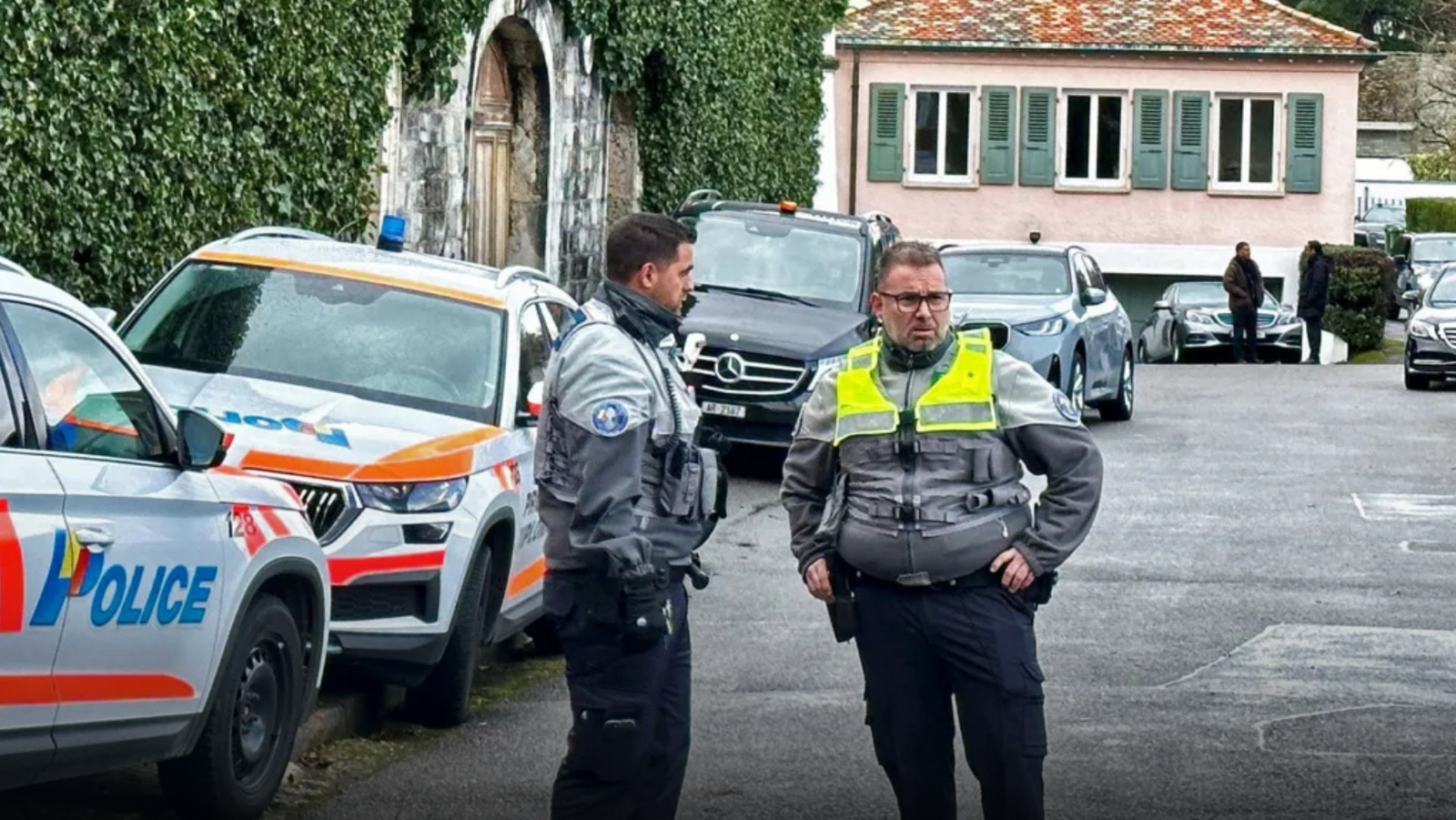
US and Iran to hold nuclear talks in Geneva as pressure builds for a new nuclear deal, with both sides facing mounting diplomatic and military tensions across the Middle East.
Officials from Washington and Tehran are scheduled to meet in Switzerland for a third round of indirect negotiations aimed at addressing concerns surrounding Iran’s nuclear programme. The discussions come at a critical moment, as the United States increases its military presence in the region while signalling that failure to reach an agreement could lead to further escalation.
The talks are being mediated through diplomatic channels and are widely viewed as a final opportunity to prevent a broader confrontation. While US President Donald Trump has stated that diplomacy remains his preferred path, he has also warned that military options remain under consideration if negotiations collapse.
Tensions have risen steadily in recent months, particularly after previous strikes targeted Iranian nuclear facilities during a period of conflict involving regional actors. Although US officials have argued that those strikes significantly weakened Iran’s nuclear capabilities, questions remain about the current status of its programme.
For decades, Iran’s nuclear activities have been at the centre of international concern. The United States and its allies accuse Tehran of pursuing nuclear weapons capability, an allegation Iranian authorities consistently deny. Iran maintains that its nuclear programme is strictly for civilian and peaceful purposes, despite enriching uranium to levels that have drawn scrutiny from global watchdogs.
Diplomatic sources suggest that potential proposals under discussion may include limits on uranium enrichment, monitoring mechanisms, and arrangements regarding Iran’s stockpile of highly enriched material. In exchange, Tehran is expected to push for relief from economic sanctions that have placed severe strain on its economy.
However, significant obstacles remain. Iran has already indicated that it will not negotiate over its ballistic missile programme or its regional alliances. Meanwhile, US officials have not clearly defined the specific conditions required for a final agreement, adding uncertainty to the outcome of the talks.
Military activity in the region has intensified in recent weeks, with additional US forces and naval assets deployed. Iranian officials have warned that any military action against the country would be met with a strong response, raising concerns among regional allies about the risk of a wider conflict.
International observers believe the Geneva discussions could determine whether the situation moves toward diplomatic resolution or further instability. Both sides face internal and external pressure, and the coming days may prove decisive in shaping the future of nuclear negotiations between the United States and Iran.