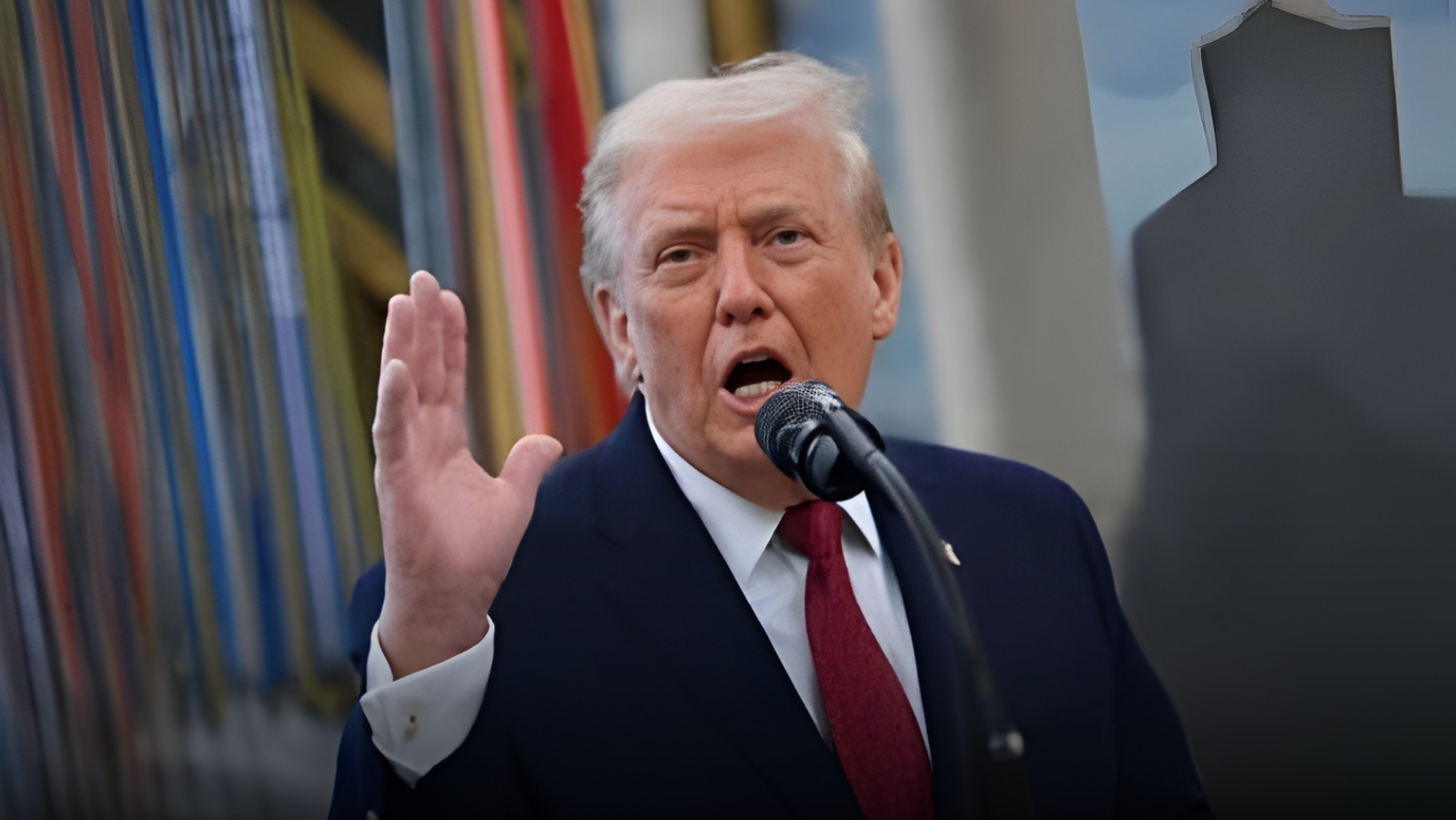

Ukraine war influence on Hungary election politics 2026
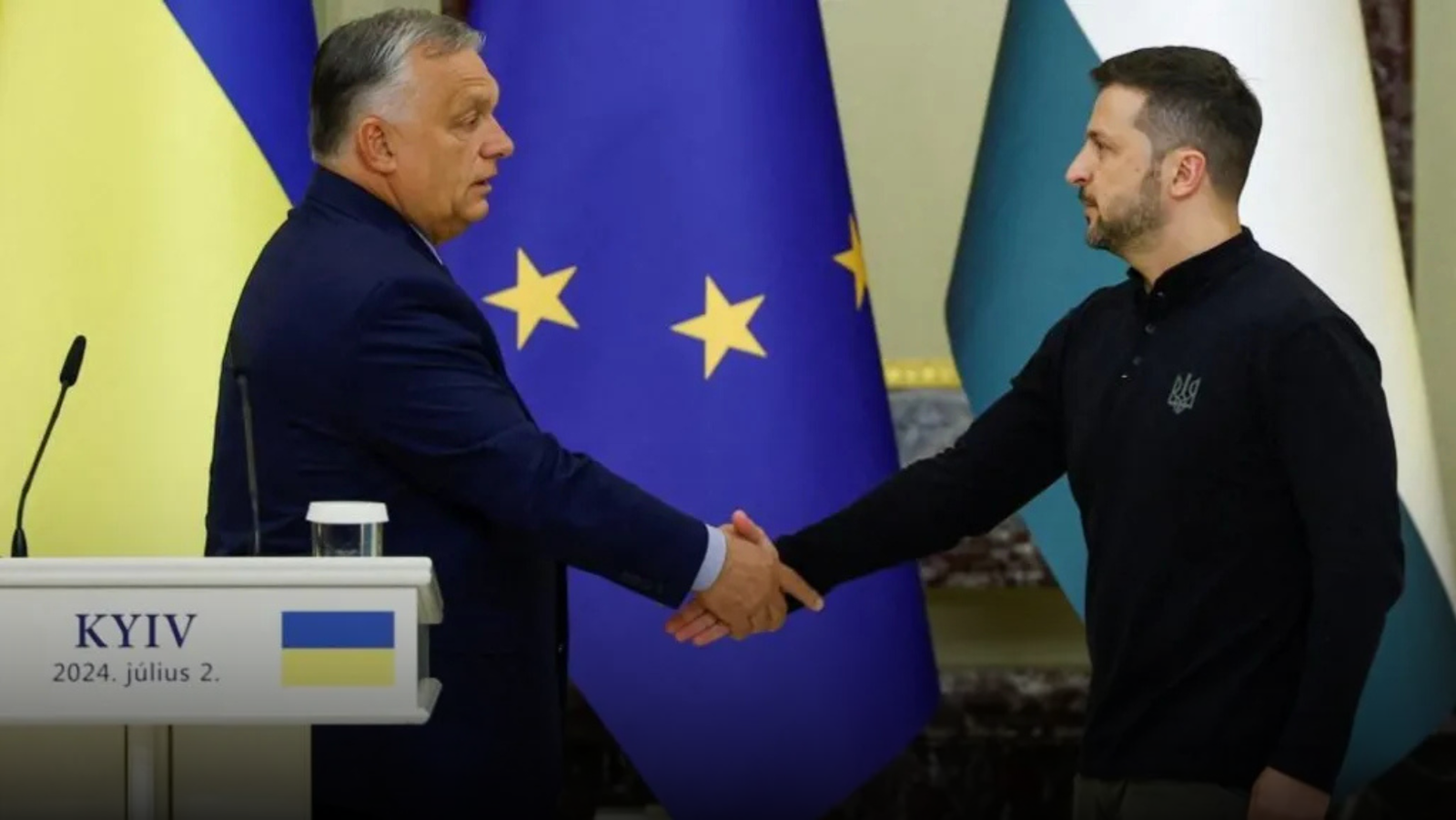
Ukraine war influence on Hungary election politics 2026 sparks political accusations and campaign tension ahead of Hungary’s parliamentary vote.
Political tensions in Hungary are intensifying as the upcoming parliamentary election approaches, with the ongoing war in Ukraine becoming a major issue in the national debate. Leaders from both countries are trading accusations while political campaigns inside Hungary increasingly focus on security concerns, energy supply disruptions, and fears of foreign interference.
The situation highlights how international conflicts can quickly affect domestic politics. As voters prepare to choose their next government, the conflict next door has unexpectedly become one of the most discussed topics in Hungary’s political arena.
Prime Minister Viktor Orbán and his government have warned that events linked to the war could influence the election environment. Officials have suggested that external actors may attempt to create instability in Hungary or influence the political climate during the campaign period.
Some government representatives have even claimed that threats against key national infrastructure or attempts to create public fear cannot be ruled out. Authorities say these warnings are being taken seriously, particularly because the country’s energy system and supply routes are closely connected to developments in neighboring regions.
Ukraine, however, has strongly rejected the accusations. Officials in Kyiv argue that Hungary’s leadership is exaggerating the situation in order to strengthen its political position before the election. According to Ukrainian representatives, the claims are part of a strategy to create fear among voters and frame the election as a choice between stability and potential involvement in a wider conflict.
President Volodymyr Zelenskyy has also criticized narratives suggesting that Ukraine is attempting to interfere in Hungarian politics. Ukrainian officials say their country has no interest in influencing Hungary’s democratic process and remains focused on defending its own territory amid the ongoing war.
Despite the denials, the debate has become central to campaign messaging across Hungary. Political posters, speeches, and media discussions increasingly refer to the conflict and its possible consequences for the country’s future.
Another issue that has intensified the dispute is the disruption of oil deliveries through the Druzhba pipeline. This major pipeline plays an important role in supplying crude oil to refineries in Hungary and neighboring Slovakia.
Oil shipments stopped earlier this year after an attack caused damage to facilities connected to the pipeline in western Ukraine. Since then, deliveries to Hungary have not resumed, creating concerns about energy security and fuel supplies.
Hungarian officials argue that repairs to the system are taking longer than expected and have questioned whether the delay could have political motivations. Government representatives say the disruption could harm Hungary’s economy if the situation continues for an extended period.
Energy specialists, however, point out that repairing damaged infrastructure during wartime is complex and can take significant time. Safety inspections, technical assessments, and environmental precautions are often required before operations can restart.
The pipeline issue has therefore become both an energy problem and a political debate inside Hungary. Supporters of the government say the situation shows why Hungary must prioritize national interests and maintain a cautious approach toward the war.
Opposition leaders see it differently. They argue that the government is using the crisis to strengthen its campaign narrative and to shift attention away from domestic economic issues.
One of the most prominent opposition figures, Péter Magyar, has rejected claims that his movement supports any form of involvement in the war. During campaign rallies across the country, he has repeatedly emphasized that his party also supports peace and stability.
According to Magyar, presenting the election as a choice between war and peace is misleading. He insists that Hungary can support international cooperation while still avoiding military involvement.
Meanwhile, campaign messaging has become increasingly intense on both sides. Large billboards, political advertisements, and social media campaigns are spreading competing narratives about security, foreign policy, and Hungary’s role in Europe.
Some campaign messages warn that political change could weaken Hungary’s position during a time of regional instability. Others argue that new leadership is necessary to improve relations with European partners and address economic challenges.
Security measures have also been introduced in certain areas of the country. Authorities have deployed additional forces to monitor important energy installations and other strategic locations. Officials say the move is designed to reassure citizens and demonstrate that national infrastructure remains protected.
Critics claim that such measures may contribute to a sense of anxiety among the public. However, government representatives insist that precautionary steps are necessary given the tense geopolitical environment.
Public opinion in Hungary appears divided. Some voters support the government’s warnings and believe the country must remain cautious while conflict continues nearby. Others feel the issue is being emphasized too heavily during the campaign.
Political analysts say the outcome of the election could depend on how voters interpret these developments. If security concerns dominate public discussion, the ruling party could benefit from its focus on stability and national protection.
On the other hand, if voters view the warnings as political messaging rather than real threats, the opposition may gain support by presenting itself as an alternative capable of improving relations with international partners.
With the election date approaching, the connection between international conflict and domestic politics is becoming clearer. The Ukraine war influence on Hungary election politics 2026 has turned into a defining theme of the campaign, shaping debates on energy, security, and Hungary’s future role in Europe.
Whether the issue ultimately changes the election result remains uncertain. What is clear, however, is that the ongoing war has already reshaped the political conversation inside Hungary, making this one of the most closely watched elections in the region.