UK Backs Saudi Arabia as Iran Attacks Escalate
Downing Street Confirms Support During Middle East Crisis
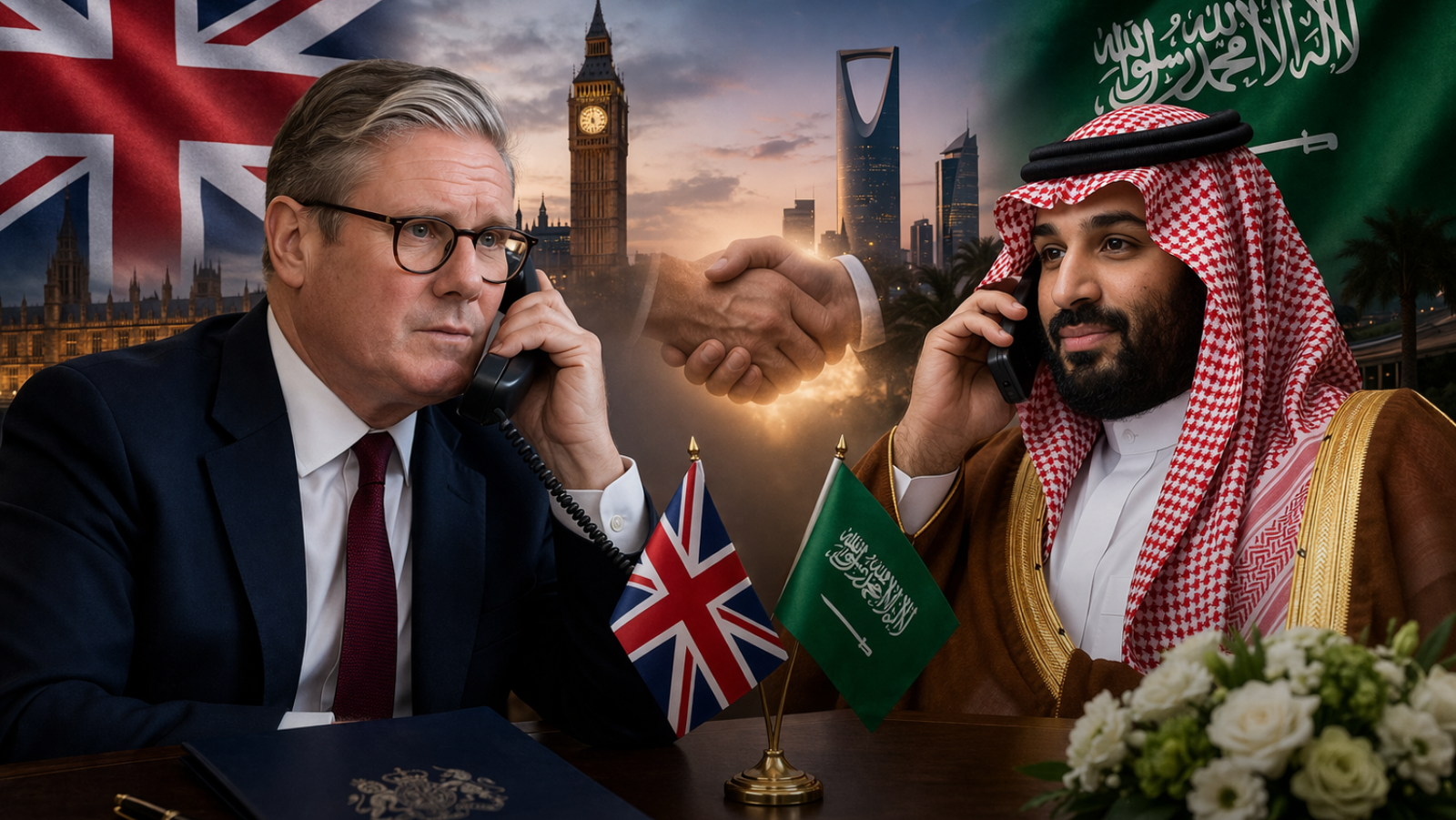
RIYADH — British Prime Minister Keir Starmer has reaffirmed the United Kingdom’s support for Saudi Arabia as Iran’s attacks continue to escalate across the Middle East, according to an official government statement. In a phone call with Saudi Crown Prince Mohammed bin Salman on 24 March 2026, Starmer underscored London’s backing for Riyadh amid rising regional tensions and heightened security concerns.
According to the UK government’s official press release, Starmer described Iran’s ongoing strikes — particularly those aimed at critical infrastructure — as “appalling” and emphasized the need for close cooperation to defend the Kingdom and the wider region from further aggression.
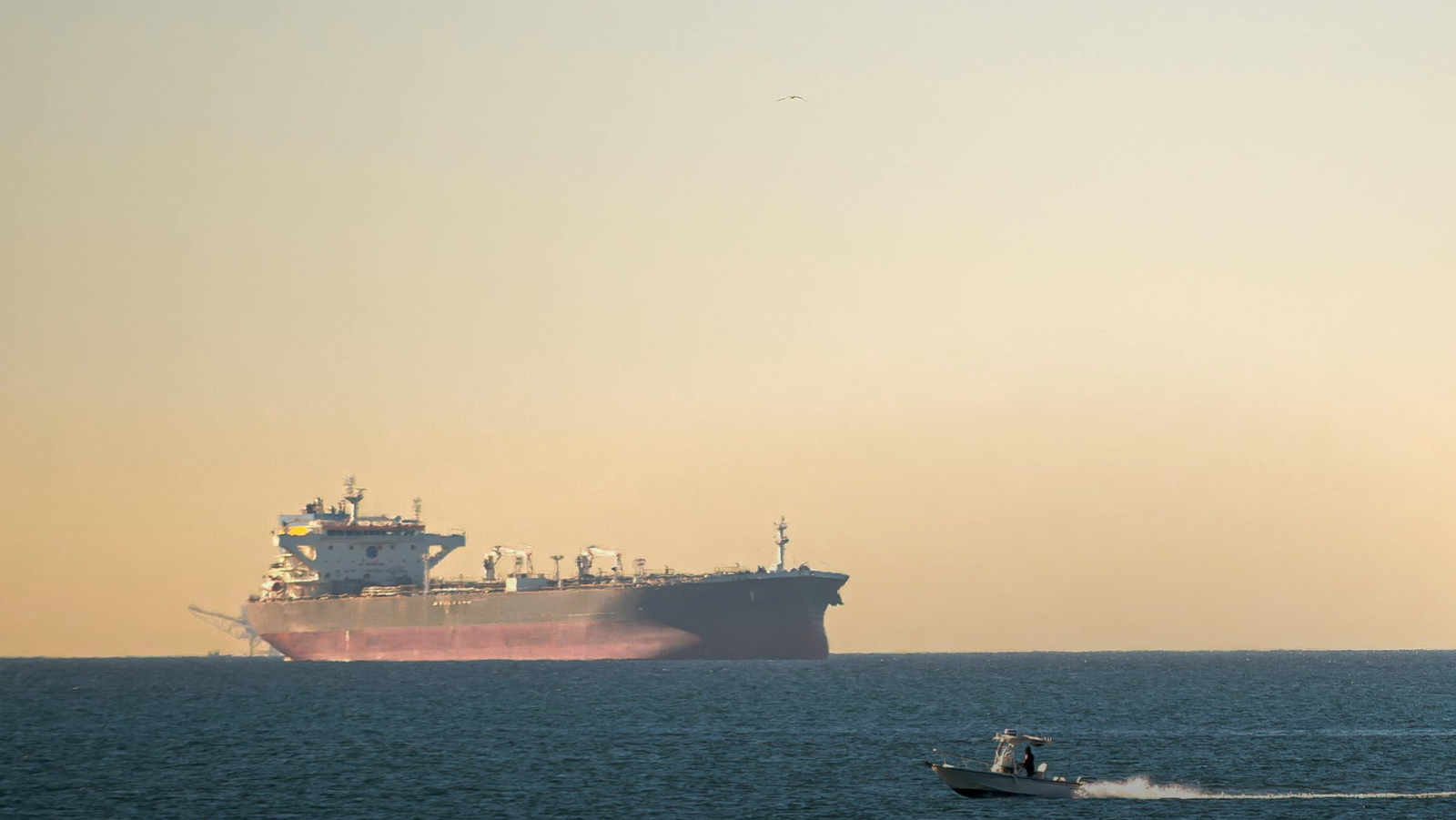
The leaders also discussed plans to maintain the flow of maritime trade through the Strait of Hormuz, a crucial waterway for global energy supplies that has been threatened by disruptions tied to the ongoing conflict between Iran, the United States, and Israel.
This engagement marks one of several high‑level diplomatic contacts in recent weeks as Western nations coordinate their response to the spillover effects of the war.
Iran’s Attacks and Regional Fallout
Tensions in the Middle East escalated sharply in early 2026 after military action involving the United States and Israel prompted Iran to launch a wide range of missile and drone strikes across the region. Reports indicate that Iran has fired dozens of ballistic missiles and hundreds of drones toward Saudi Arabia and neighboring states in recent weeks.
Iran’s actions have repeatedly targeted energy infrastructure — particularly in Saudi Arabia’s oil‑rich Eastern Province — where critical facilities support global energy markets. The escalation has contributed to rising oil prices and increased global concern about the stability of energy supplies and shipping lanes.
In addition to direct attacks, Tehran’s forces have restricted maritime traffic through the Strait of Hormuz. This vital corridor handles a significant portion of the world’s oil exports. Iran has stated that it will maintain restrictions on the strait until its demands regarding the conflict’s direction are met.
UK Response and Strategic Coordination
The UK government’s official release makes clear that Starmer’s support for Saudi Arabia goes beyond diplomatic reassurance. According to Downing Street, the UK is coordinating defensive efforts and planning with partners to ensure the security of vital maritime routes, including the Strait of Hormuz.
Starmer also updated the Saudi Crown Prince on the deployment of additional British defensive military equipment to the region, stressing the importance of coordinated deterrence in the face of further Iranian strikes.
These developments follow a broader pattern of Western engagement in the evolving crisis. Starmer previously chaired national security meetings in London to address the UK’s responses to Iran’s retaliatory actions after the US‑Israel strikes earlier in March.
Though the UK did not participate directly in the initial military strike on Iran, British aircraft have been reported flying defensive patrols in the region. The UK government has repeatedly emphasized that its priority remains defensive support and strategic cooperation with allies and partner states.
Global Diplomatic Reactions
Saudi Arabia’s widening diplomatic outreach has drawn responses from other major nations as well. French President Emmanuel Macron expressed solidarity with the Kingdom, strongly condemning Iran’s repeated attacks targeting critical infrastructure and calling for de‑escalation.
European leaders and the United States have similarly highlighted the need to balance deterrence with diplomatic efforts to ensure regional stability. While the US continues to engage in negotiations aimed at limiting broader hostilities, leaders across the West have urged restraint and long‑term efforts to secure peace.
Although global responses vary — with some countries calling for de‑escalation and others supporting defensive postures — there is broad consensus among key Western partners that nuclear proliferation, regional security, and protection of civilian lives remain top priorities.
Saudi Strategic Measures and Regional Security
Within Saudi Arabia, authorities have taken precautionary steps to protect civilians and critical infrastructure as the conflict unfolds. Energy companies have activated contingency plans to ensure continuity of production, while government officials have strengthened air‑defence coordination to respond to missile and drone threats. These measures are aimed at mitigating disruption to global oil markets and safeguarding national capabilities.
Security analysts note that Saudi Arabia’s defensive posture reflects a broader regional trend: Gulf states are increasingly investing in multi‑layered defence systems and international partnerships to deter future attacks and preserve economic stability.
Stabilising the Strait of Hormuz
One of the biggest international concerns tied to the conflict has been the security of the Strait of Hormuz — a chokepoint through which an estimated 20 % of the world’s oil supplies transit. Continued disruptions could reverberate across global energy markets and have far‑reaching economic impacts.
In response, the UK and allied partners have discussed plans to safeguard international shipping lanes. Such coordination reflects a recognition that maritime security and unimpeded trade are essential for global economic stability, particularly given ongoing volatility in energy prices.
Broader Implications for Global Security
The situation in the Middle East has underscored the complexity of regional dynamics, where national defence, energy security, and international diplomacy intersect. Starmer’s engagement with Saudi leadership signals the UK’s intent to remain a key diplomatic player while balancing defence commitments and calls for negotiation.
Analysts say that coordinated international support for Saudi Arabia, alongside strategic dialogue with regional and global partners, is essential to prevent further escalation. As world leaders continue to monitor developments, efforts to secure peace and stability remain central to diplomatic engagement.
Conclusion
The UK’s reaffirmed backing of Saudi Arabia amid escalating Iranian attacks represents a significant moment in the broader Middle East crisis. Through diplomatic engagement and coordinated defence planning, London and its partners are working to mitigate threats to regional security, protect critical infrastructure, and maintain the flow of global energy supplies.
For official details from the UK government, read the full press release at GOV.UK: PM call with Crown Prince of Saudi Arabia → UK Government Press Release on Starmer’s Call with Saudi Crown Prince.
For verified updates on the Middle East and regional developments, explore Time of Gulf – Middle East News at https://timeofgulf.com/.