Two Dead Three Injured Abu Dhabi Missile Debris
UAE Missile Debris Incident Confirms Rising Regional Tensions
Two people were killed and three others injured in Abu Dhabi after debris fell from a successfully intercepted missile on Thursday, March 26, 2026. The incident took place on Sweihan Street, where multiple vehicles were damaged. Authorities have launched a thorough investigation, and officials have not yet disclosed the identities of the victims. Residents are urged to rely solely on verified government updates and avoid sharing unconfirmed reports. The event highlights the risks civilians face even when advanced air defence systems are operating effectively.
UAE Air Defence Systems in Action
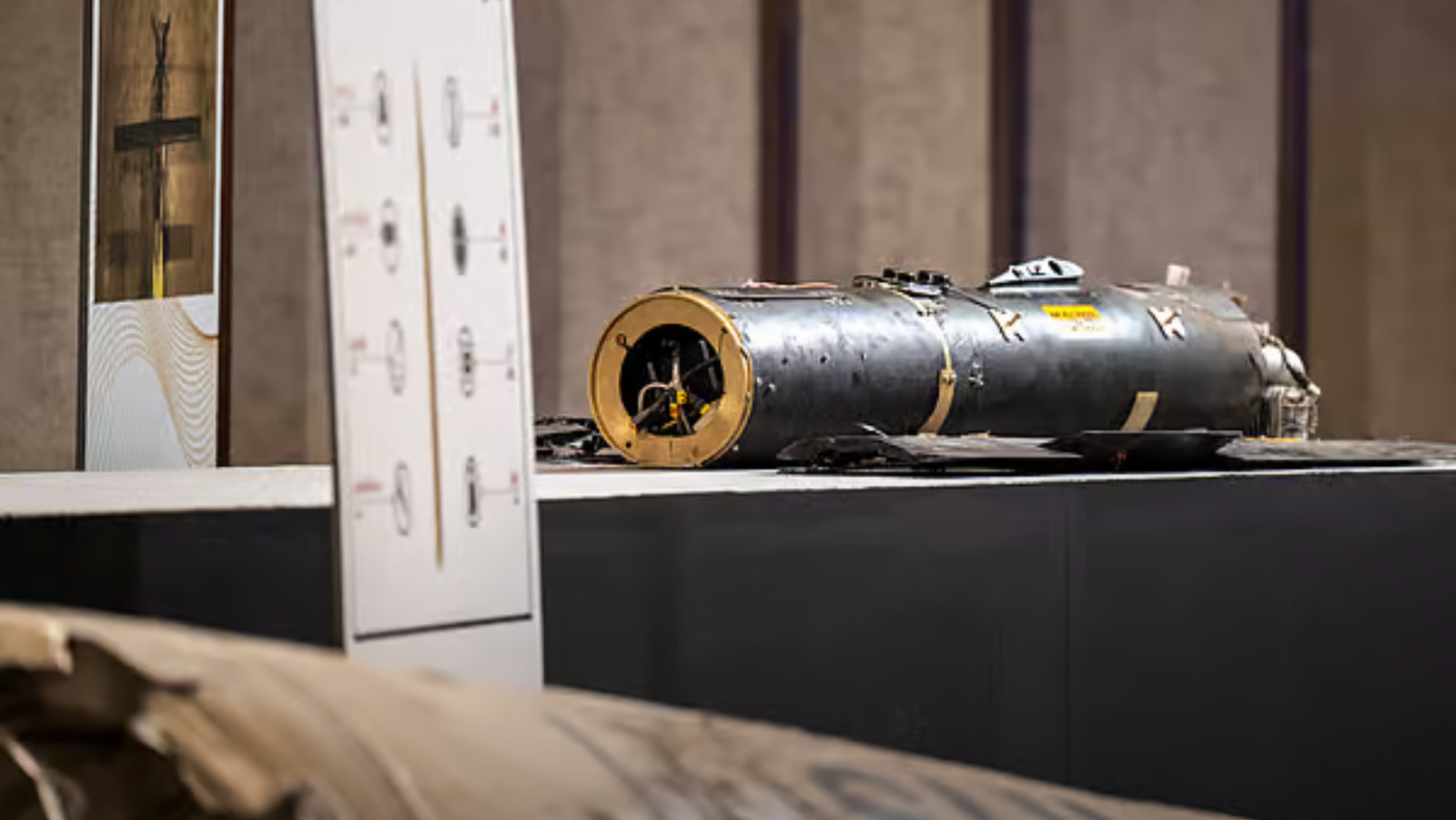
Pieces of missiles and drones recovered after Iran’s strikes were displayed during a press briefing by UAE officials. The display highlighted the sophistication and operational capabilities of UAE air defence systems, which have successfully neutralized multiple threats in recent weeks. Analysts note that even when missiles are intercepted successfully, falling debris can pose a significant risk to civilians in urban areas.
Emergency teams were deployed promptly to affected sites to remove debris, assist the injured, and secure the area. These operations demonstrate the UAE’s preparedness and the efficiency of its emergency response infrastructure in protecting urban populations during high-risk events.
Civilian Casualties Amid Iran-Related Attacks
Earlier in the week, a civilian contractor working with the UAE Armed Forces died in Bahrain during a routine mission following an Iranian strike. Five members of the UAE Ministry of Defence were also injured during this attack, showing the broader risks to personnel in the Gulf region. Since February 28, Iranian military aggression has resulted in the deaths of six civilians from Pakistani, Nepalese, Bangladeshi, and Palestinian communities. Additionally, two UAE armed forces personnel were martyred.
Reported injuries range from minor to critical and involve a diverse group of individuals residing and working in the UAE, including nationals from African, Middle Eastern, South Asian, and Southeast Asian countries. This demonstrates the widespread impact of regional hostilities on both local and expatriate populations in Gulf nations.
Sweihan Street Accident Highlights Safety Challenges
The Sweihan Street incident underscores the persistent dangers posed by missile debris in densely populated urban areas. Even highly advanced air defence systems cannot fully eliminate the threat of falling fragments, which can injure civilians and damage property. Authorities continue to advise residents to strictly follow official safety instructions during missile interception alerts.
Emergency response teams cordoned off affected streets, cleared debris, and ensured injured individuals received immediate medical attention. Coordination between urban management, emergency services, and hospitals minimized casualties and reduced the risk of further accidents. Public awareness and compliance with safety guidelines are critical to protecting lives during such events.
Regional Security Implications
UAE air defence systems have successfully intercepted dozens of missiles and drones in recent weeks, showcasing the country’s defensive capabilities. Officials emphasized that these measures are vital for protecting civilians and strategic infrastructure amid escalating Iran-US-Israel tensions in the region.
Analysts note that air defence systems provide critical intelligence, allowing emergency response teams to act swiftly. Maintaining clear communication with the public ensures that residents remain informed and safe. The incident highlights the delicate balance governments must maintain between defence readiness and civilian protection during periods of regional instability.
Government Response and Emergency Protocols
The UAE Armed Forces and emergency services responded rapidly to the Sweihan Street incident. Roads were closed, debris was cleared, and injured individuals were transported to medical facilities promptly. This response underscores the efficiency of UAE emergency protocols and preparedness.
Experts recommend that public awareness and strict adherence to government-issued safety measures are essential to minimize casualties. Although UAE air defences are highly capable, debris from intercepted missiles continues to pose a threat, emphasizing the need for proactive community cooperation and vigilance.
Broader Regional Context
The ongoing Iran-US-Israel tensions in the Middle East have triggered multiple regional incidents affecting civilian safety and infrastructure. Analysts argue that international cooperation and diplomatic engagement are crucial to reduce escalation and mitigate risks.
The Abu Dhabi incident serves as a reminder that even advanced air defence systems cannot completely remove hazards in urban areas. Continuous monitoring, adherence to official guidelines, and emergency preparedness remain essential for minimizing civilian casualties during future incidents. Governments across the Gulf are emphasizing the importance of public compliance with safety protocols to ensure stability.
Impact on Civilian Life and Infrastructure
The debris incident disrupted normal life in Abu Dhabi. Vehicles were damaged, streets were temporarily blocked, and some residents were displaced during emergency operations. Authorities emphasized that civilian safety remains a top priority, and precautionary measures are being enforced across high-risk areas. Hospitals and emergency response teams acted efficiently to provide immediate care to those affected.
Community engagement and timely updates play a pivotal role in mitigating the effects of such incidents. The UAE government continues to encourage residents to follow verified announcements, avoid spreading rumors, and cooperate fully with emergency services. These measures are crucial in maintaining safety and minimizing chaos during periods of heightened security alert.
International Attention and Diplomatic Considerations
The incident has drawn international attention to the escalating regional security risks. Analysts believe that coordinated diplomatic efforts are required to prevent further escalation, protect civilians, and maintain stability in the Gulf. Countries in the region are closely monitoring developments, particularly the United Arab Emirates, which has faced repeated missile and drone threats.
International organizations and neighboring states emphasize the importance of dialogue, de-escalation, and adherence to international norms. Incidents like the Sweihan Street debris highlight the interconnection between regional tensions, civilian safety, and global security interests.
Conclusion
The missile debris incident in Abu Dhabi, which resulted in two deaths and three injuries, underscores the ongoing security challenges in the Gulf region. UAE air defences provide essential protection against missile threats, but debris remains a significant hazard for civilians. Residents are urged to follow government instructions and rely on official channels for updates.
For detailed official updates on UAE air defence operations and safety protocols, visit the UAE Ministry of Defence press release.
For more regional security news and analysis, check our GCC news section for comprehensive reporting and related articles.