
Trump Warns of More Strikes on Iran’s Kharg Island as Strait of Hormuz Tensions Rise
Tensions in the Middle East have intensified after former US President Donald Trump warned that additional strikes could target Iran’s major oil export hub on Kharg Island. The warning comes as the ongoing conflict involving the United States, Israel, and Iran enters its third week, raising concerns about the stability of global energy supplies and regional security.
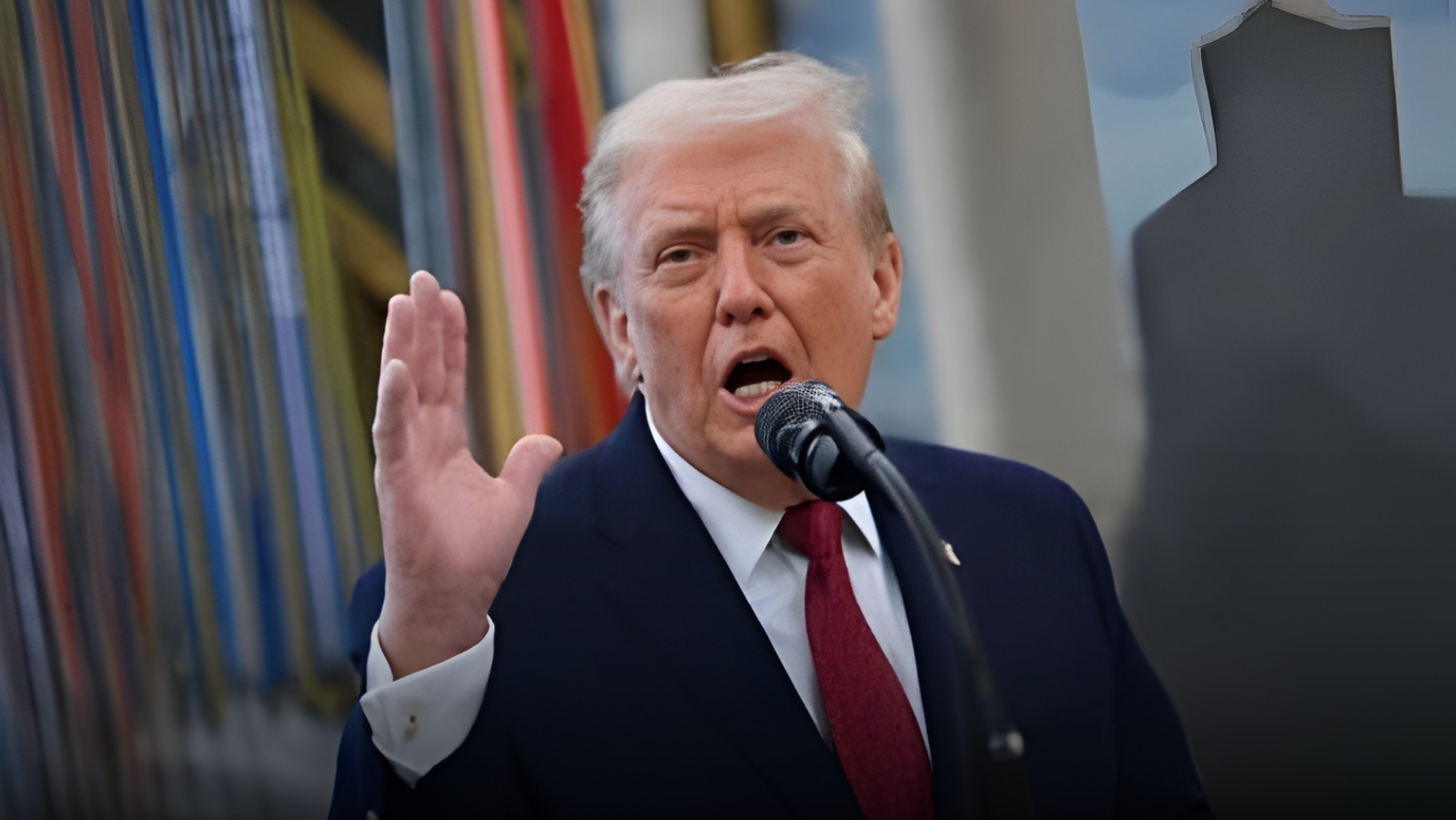
Speaking in a weekend interview with NBC News, Trump suggested that the United States might conduct further attacks on facilities located on the island. He claimed earlier military operations had already caused severe damage to infrastructure there and hinted that more strikes could follow.
The statement represents a noticeable escalation in tone compared to earlier remarks from US officials, who had indicated that any operations were aimed strictly at military targets linked to Iran’s defense capabilities. Analysts say the shift could complicate diplomatic efforts that several regional partners have been attempting to initiate in recent weeks.
Meanwhile, the growing conflict has placed renewed attention on the strategic importance of the Strait of Hormuz, one of the most critical maritime passages for global oil transportation.
Escalating Conflict Raises Energy Supply Concerns
As military activity continues in the region, global markets have begun reacting to fears of supply disruptions. The Strait of Hormuz handles roughly one-fifth of the world’s seaborne oil shipments, making it a vital chokepoint for international energy trade. Any threat to the passage could have immediate consequences for global oil prices and supply chains.
Trump used social media to call on major energy-importing nations to play a more active role in protecting the waterway. He suggested that countries benefiting from oil shipments through the strait should contribute naval resources to help maintain safe passage for commercial vessels.
The request was directed toward several major economies, including China, France, Japan, South Korea, and United Kingdom. However, none of these governments immediately confirmed whether they would deploy warships to the area.
Security experts say such a coalition could significantly increase the protection of shipping lanes but would also risk widening the conflict if tensions escalate further.
Energy markets have already started to feel the pressure. Traders fear that prolonged instability in the region could lead to one of the most severe disruptions in oil supply in recent decades. Rising prices and uncertain supply routes are raising concerns among governments and businesses that rely heavily on imported energy.
In response to the situation, several countries are reviewing contingency plans to ensure uninterrupted energy shipments. Some governments have also urged shipping companies to exercise caution while navigating through the region.
Iranian officials, meanwhile, have warned that attacks on their energy infrastructure would provoke a strong response. Foreign Minister Abbas Araqchi said Iran would retaliate if additional strikes target oil facilities or industrial zones.
The Iranian government has repeatedly emphasized that its energy sector remains a strategic national asset and that any attempts to damage it would be met with countermeasures.
Regional Responses and Growing Military Activity
The situation on the ground continues to evolve as military exchanges intensify. Iran’s Revolutionary Guards reported carrying out missile and drone strikes aimed at targets linked to Israeli and American forces across the region. These actions were described as retaliation for casualties caused by earlier attacks inside Iran.
Israeli defense officials confirmed that incoming missiles and drones had been detected and intercepted in several cases. The exchange of fire highlights how quickly the conflict has expanded beyond its initial stage.
In the Gulf region, air defense systems were also activated following reports of drone activity. Authorities in Saudi Arabia said their defense forces intercepted and destroyed several drones over the capital Riyadh and eastern areas of the country.
Officials indicated that the drones were successfully neutralized before reaching potential targets. Iranian military sources later denied involvement in those specific attacks, according to regional media reports.
Another incident raised alarms in the United Arab Emirates after a drone strike disrupted operations at a major energy facility. Although damage reports remain limited, the event reinforced fears that energy infrastructure across the region could become a target in the expanding confrontation.
The United States has also taken precautionary measures to protect its citizens and personnel in nearby countries. The State Department issued an advisory urging American nationals to leave Iraq due to the growing security risks.
The broader conflict began in late February when military operations were launched by the United States and Israel against Iranian-linked targets. Israeli Prime Minister Benjamin Netanyahu has argued that the operations are necessary to counter security threats, while Iranian leaders describe them as acts of aggression.
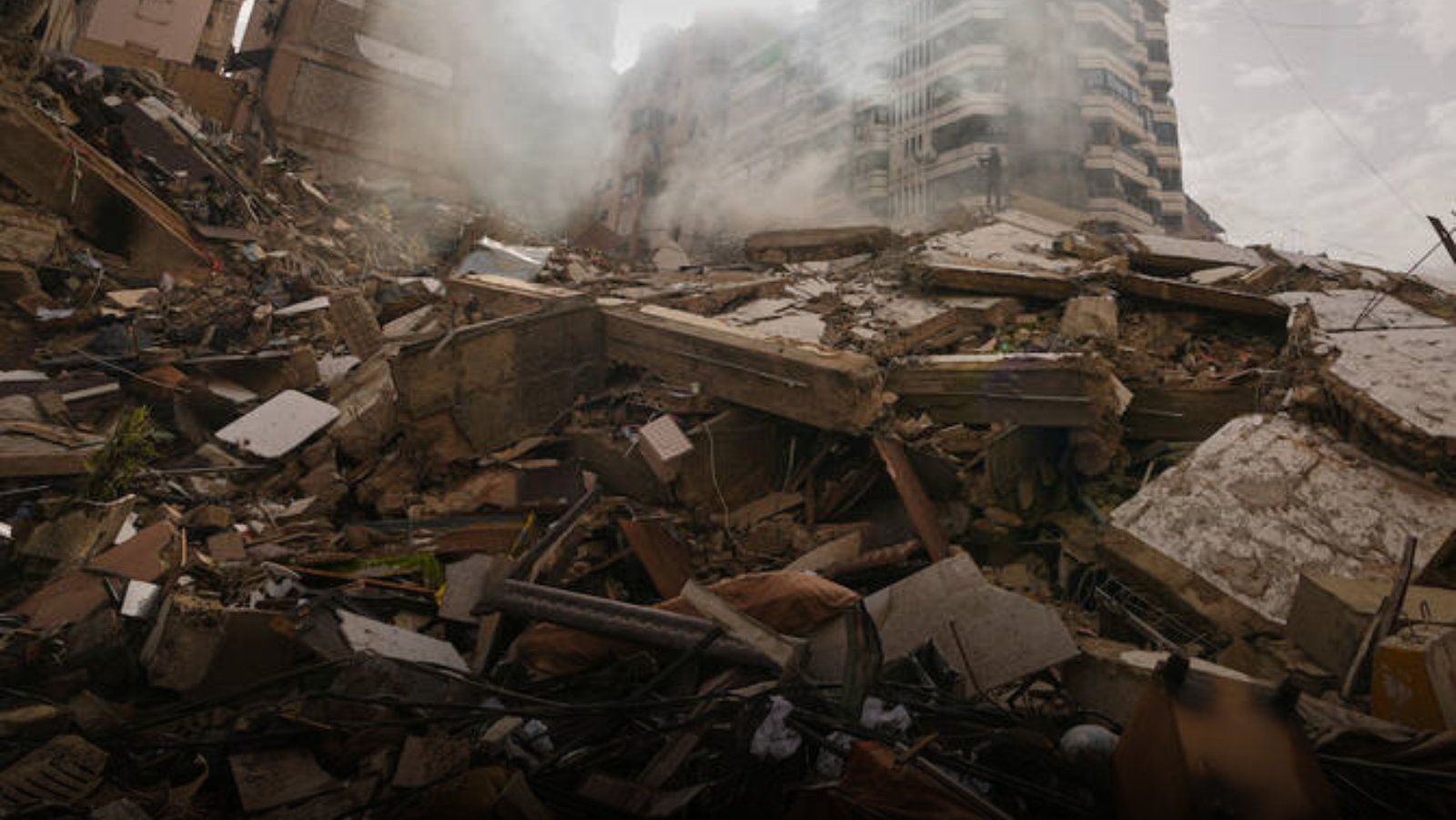
Casualty figures reported by various governments and media outlets suggest that the conflict has already resulted in thousands of deaths, with most reported casualties occurring inside Iran. Civilian areas have also been affected by airstrikes, adding to humanitarian concerns.
Among the incidents reported over the weekend was a strike that hit an industrial facility in the city of Isfahan, leading to several fatalities and injuries. Iranian media described the site as a factory producing household appliances.
At the same time, political leaders across the region continue to debate the possibility of negotiations to end the conflict. Trump indicated that Iranian officials may be interested in reaching an agreement but suggested that proposed terms so far are not acceptable from Washington’s perspective.
Diplomatic efforts led by several Middle Eastern countries have attempted to open communication channels between the opposing sides. However, progress has been slow as military operations continue.
Iran’s new supreme leader, Mojtaba Khamenei, has taken a firm stance on the strategic importance of the Strait of Hormuz. He has argued that the waterway should remain closed to adversaries if Iran’s national security or economic interests are threatened.
Such statements have further heightened international concern about the stability of one of the world’s most critical energy corridors.
As the conflict enters another week with no clear resolution in sight, governments and global markets remain closely focused on developments in the Gulf region. Any further escalation, particularly involving the Strait of Hormuz or major oil facilities, could have significant implications for global energy supplies and international security.