Trump warned of Iran retaliation on Gulf allies
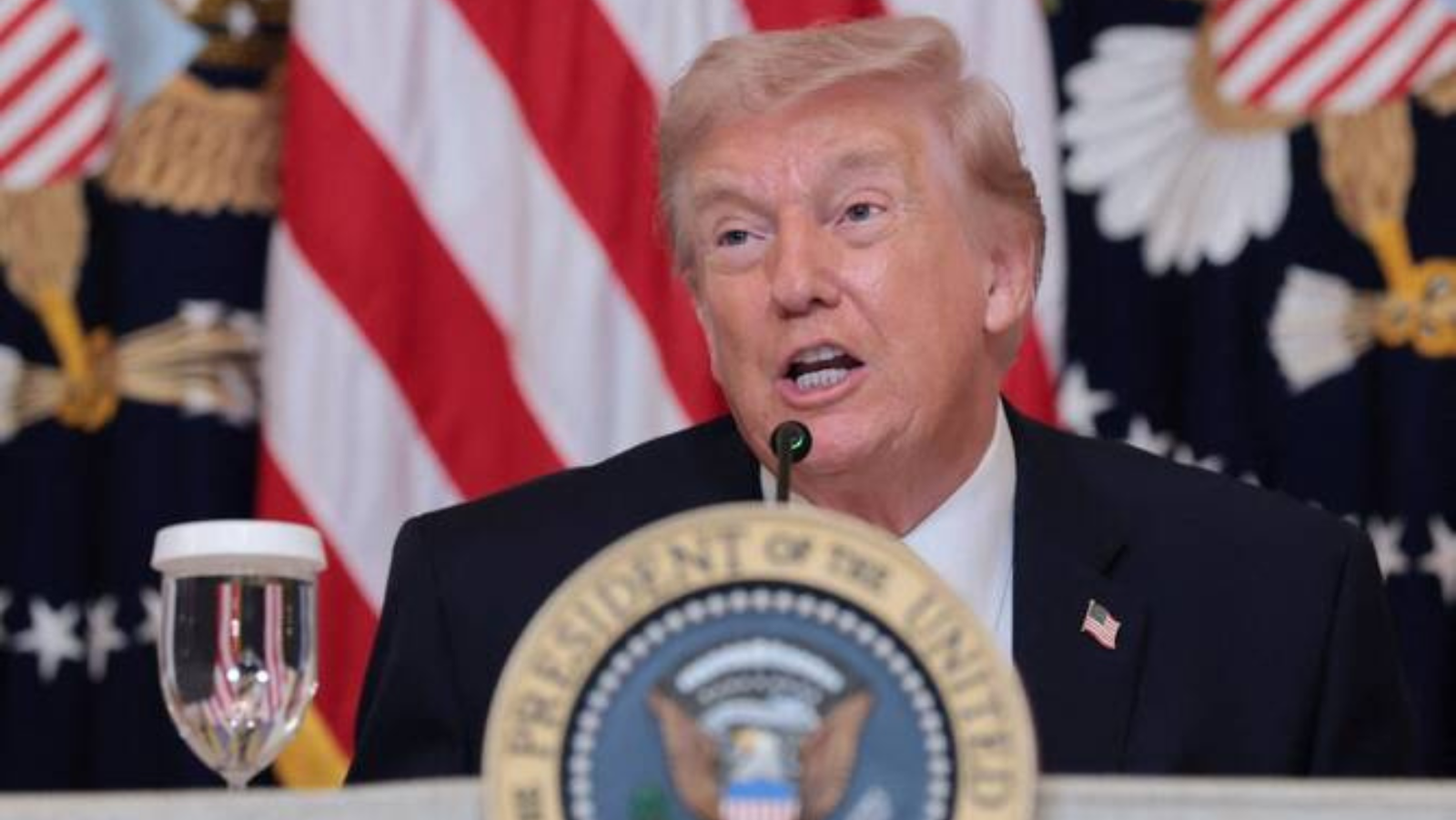
Trump Warned of Iran Retaliation on Gulf Allies as Intelligence Signals Escalation
WASHINGTON, March 17, 2026: The Trump warned of Iran retaliation on Gulf allies story is gaining momentum as fresh revelations confirm that US intelligence agencies had already anticipated potential Iranian strikes across the Middle East before the conflict escalated.
According to officials familiar with classified briefings, warnings were delivered to senior US leadership highlighting that any direct military action against Iran could trigger retaliation targeting allied countries in the Gulf region. While these assessments stopped short of confirming an inevitable response, they clearly listed retaliation as one of the most likely outcomes.
Despite these early signals, public remarks later suggested that the scale and reach of Iran’s actions came as a surprise. This contrast between internal intelligence assessments and external messaging has become a key focus in ongoing political and security discussions.
Intelligence Assessments Pointed to Possible Retaliation
Before hostilities began, intelligence agencies reportedly outlined multiple scenarios that included drone attacks, missile strikes, and potential disruptions to critical infrastructure. Analysts emphasized that Iran possessed the capability to respond through indirect and asymmetrical methods across the region.
The reports specifically noted that Gulf countries hosting US military bases or providing strategic support could face immediate risks. These included possible strikes on airbases, energy facilities, and logistics hubs that play a crucial role in regional operations.
Officials involved in the briefings stressed that while it was impossible to predict the exact timing of retaliation, the probability was significant enough to justify precautionary measures and defensive planning.
Gulf Nations Experience Heightened Security Concerns
Following the escalation, several Gulf countries moved quickly to increase security measures. Reports indicated that sensitive locations, including military installations, airports, and energy facilities, were placed on high alert amid fears of further attacks.
Some areas experienced direct or attempted strikes, leading to disruptions in operations and increased anxiety among residents. Governments responded by activating advanced defense systems and issuing public safety advisories.
The situation has also affected daily life across the region. Increased security checks, temporary travel disruptions, and emergency preparedness measures have become more visible as authorities work to maintain stability.
Global Energy Markets Feel the Impact
A major concern highlighted in the Trump warned of Iran retaliation on Gulf allies developments is the effect on global energy markets. The Strait of Hormuz, one of the world’s most critical oil transit routes, remains central to this issue.
As tensions escalated, shipping activity in the region slowed, creating uncertainty in global supply chains. Oil prices reacted with volatility as markets responded to the risk of prolonged disruption.
Energy experts warn that continued instability could lead to higher fuel prices and supply shortages in multiple regions. Countries heavily dependent on Gulf oil exports are closely monitoring the situation, while companies adjust strategies to manage risks.
Debate Intensifies Over Intelligence Handling
The revelations regarding prior warnings have sparked debate among US policymakers. Some lawmakers argue that intelligence assessments clearly outlined the risks and should have played a more central role in decision-making.
Critics have raised concerns about whether sufficient steps were taken to prepare for potential retaliation against Gulf allies and US forces in the region. They also question the gap between intelligence findings and public statements.
Supporters of the administration, however, argue that intelligence reports often include a range of possible outcomes and that decision-making during rapidly evolving situations is inherently complex and uncertain.
Trade and Shipping Routes Disrupted
Beyond security concerns, the crisis has had a significant impact on global trade. Reduced shipping through the Strait of Hormuz has created delays and increased costs for transporting goods, particularly energy resources.
Shipping companies have adjusted routes or temporarily suspended operations to avoid risks, adding further pressure to global supply chains. Businesses worldwide are feeling the effects, especially those reliant on stable energy supplies.
Restoring confidence in maritime security is now seen as essential for stabilizing both regional and global markets.
Calls for Diplomatic Solutions Increase
Amid rising tensions, international leaders are calling for restraint and renewed diplomatic engagement. There is growing concern that continued escalation could lead to a broader regional conflict with serious global consequences.
Efforts are underway to reopen communication channels and reduce the likelihood of further attacks. Analysts believe that even limited diplomatic progress could help ease tensions and prevent the situation from worsening.
The international community continues to stress the importance of cooperation in addressing the crisis and maintaining stability.
Uncertain Path Ahead for the Region
The Trump warned of Iran retaliation on Gulf allies situation highlights the complexity of modern geopolitical conflicts. Military actions, intelligence assessments, and political decisions are deeply interconnected, making outcomes difficult to predict.
While immediate efforts focus on managing the current crisis, long-term implications are already emerging. These include potential shifts in regional alliances, evolving defense strategies, and increased attention to energy security.
For now, uncertainty remains the defining factor. Observers agree that careful planning, strategic communication, and international coordination will be essential in preventing further escalation.
As developments continue, the Middle East remains at the center of global attention, with each new update shaping the future of regional stability and international security.