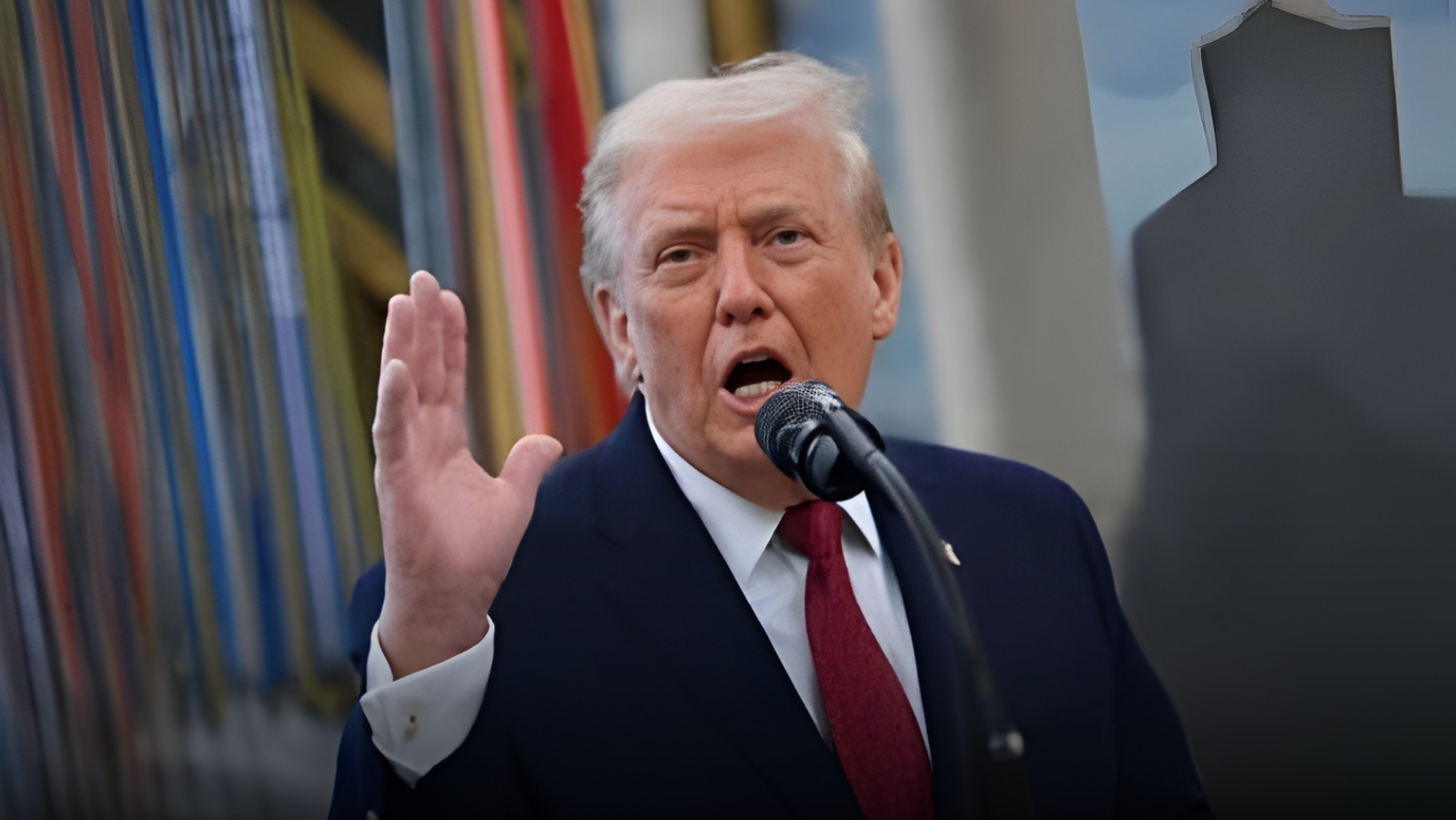

Trump threatens to hit Iran’s Kharg Island oil network
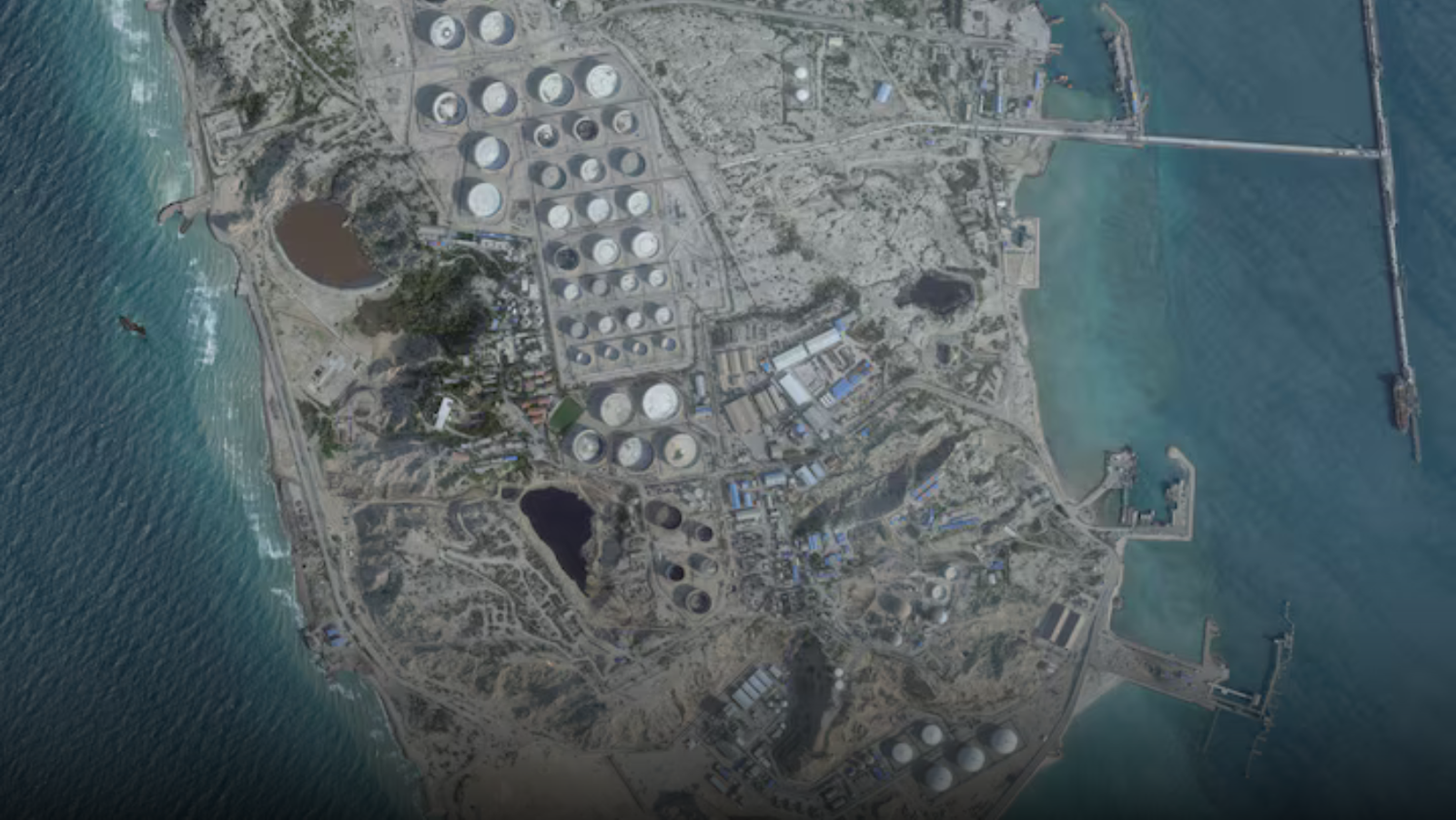
Trump threatens to hit Iran’s Kharg Island oil network as tensions rise
U.S. President Donald Trump has warned Iran that the nation’s Kharg Island oil facilities could be targeted if Tehran continues attacks on ships in the Strait of Hormuz. The statement comes amid escalating conflict involving the United States, Israel, and Iran, which has already disrupted regional stability and global energy markets.
Trump clarified that prior operations focused on military sites on the island, but he made it clear that interference with maritime traffic could prompt action against energy infrastructure. Kharg Island, situated roughly 500 kilometers northwest of the strait, handles the majority of Iran’s oil exports, making it a critical point for worldwide energy supply.
Although no oil facilities were damaged in the initial strikes, the warning underscores the potential consequences of future provocations. Trump also highlighted the effectiveness of U.S. strikes against military installations on the island, signaling a readiness to escalate if Iranian actions continue.
Iran, however, has shown no intention of stepping back. Officials warned that any attacks on energy infrastructure would lead to retaliatory measures against regional facilities tied to U.S. interests. Semi-official Iranian sources reported explosions targeting air defense positions, naval bases, and airport infrastructure, with oil operations remaining unharmed.
Escalation of attacks and regional impact
The conflict has resulted in thousands of casualties and widespread displacement. Since February 28, over 2,000 people have died, including civilians and military personnel across Iran, Lebanon, and neighboring Gulf nations. Both U.S. and Iranian forces have suffered losses, including the deaths of six U.S. aircrew members and damage to U.S. aircraft in Saudi Arabia.
Drone and missile activity has intensified the situation. Iran claims to have downed over 114 U.S. and Israeli drones, while the U.S. and Israel have conducted extensive airstrikes against Iranian military targets, including missile launchers, weapons facilities, and air defense systems.
The strategic significance of Kharg Island makes it a central point of concern. Any damage to terminals, pipelines, or storage tanks could disrupt oil exports, creating ripple effects on global markets. Analysts warn that even minor interruptions could further destabilize energy supply and raise prices worldwide.
Despite the conflict, Iran continues exporting crude oil, while other Gulf producers have temporarily halted shipments out of safety concerns. Satellite imagery shows large crude carriers still loading at Kharg Island, reflecting Tehran’s intent to maintain export operations.
Maritime routes in the region remain highly sensitive. The Strait of Hormuz, a vital passage for global oil shipments, faces increased risk from Iranian interference. In response, the U.S. Navy plans to escort commercial vessels to guarantee safe navigation, highlighting the strategic importance of maintaining open sea lanes.
Geopolitical consequences and future outlook
Iran’s newly appointed supreme leader, Mojtaba Khamenei, has vowed to keep the Strait of Hormuz closed to foreign vessels and warned neighboring countries against hosting U.S. military bases, threatening attacks on non-compliant nations. U.S. officials have questioned Khamenei’s ability to lead following prior attacks that reportedly injured him.
Military operations have also affected surrounding regions, with missile and drone strikes reaching Israel, Lebanon, and Gulf allies, resulting in casualties. These developments underline the risk of broader regional escalation and the potential for further impact on energy markets.
Trump’s warning regarding Kharg Island serves both military and economic objectives. By signaling potential action against a major oil hub, the U.S. aims to pressure Iran diplomatically while demonstrating readiness to act if threats to maritime traffic persist.
Energy markets have reacted to these developments with fluctuating crude prices. Analysts caution that uncertainty over the conflict’s duration and intensity will continue to influence global energy supply and pricing in the coming weeks.
Currently, Kharg Island remains operational, with oil exports ongoing despite hostilities. U.S. and allied forces remain vigilant, while Iran asserts its right to defend its territory. The next few weeks are expected to determine whether tensions escalate further or if diplomatic efforts can reduce the risk of conflict.
In summary, Trump’s warning about Kharg Island emphasizes the high stakes for regional security and global energy supply. Both sides continue to posture, making the situation highly volatile and highlighting the importance of careful monitoring and international attention.