
Trump Says US Does Not Need UK Help In Iran War
Trump Says US Does Not Need UK Help In Iran War amid tensions with Britain
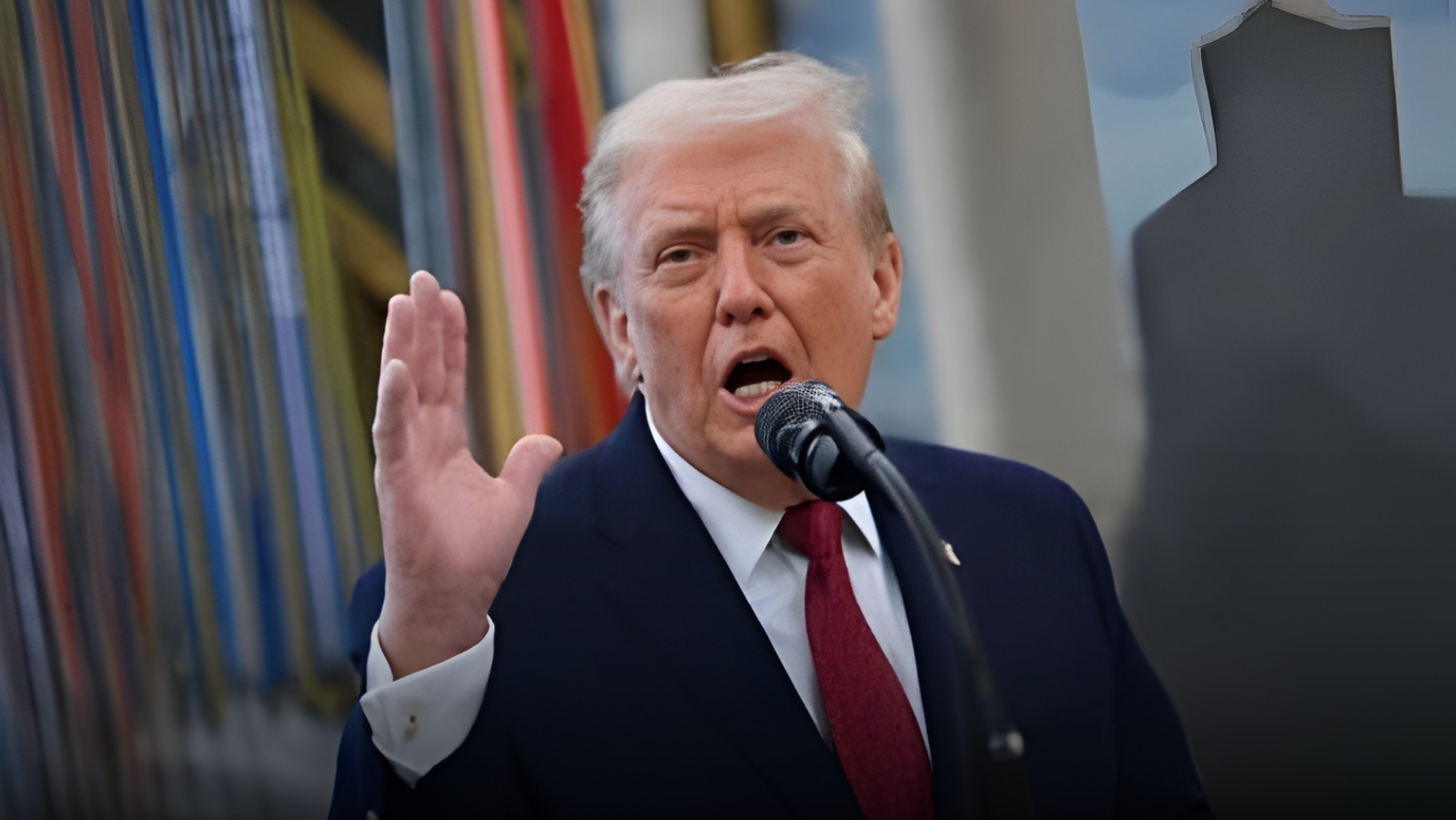
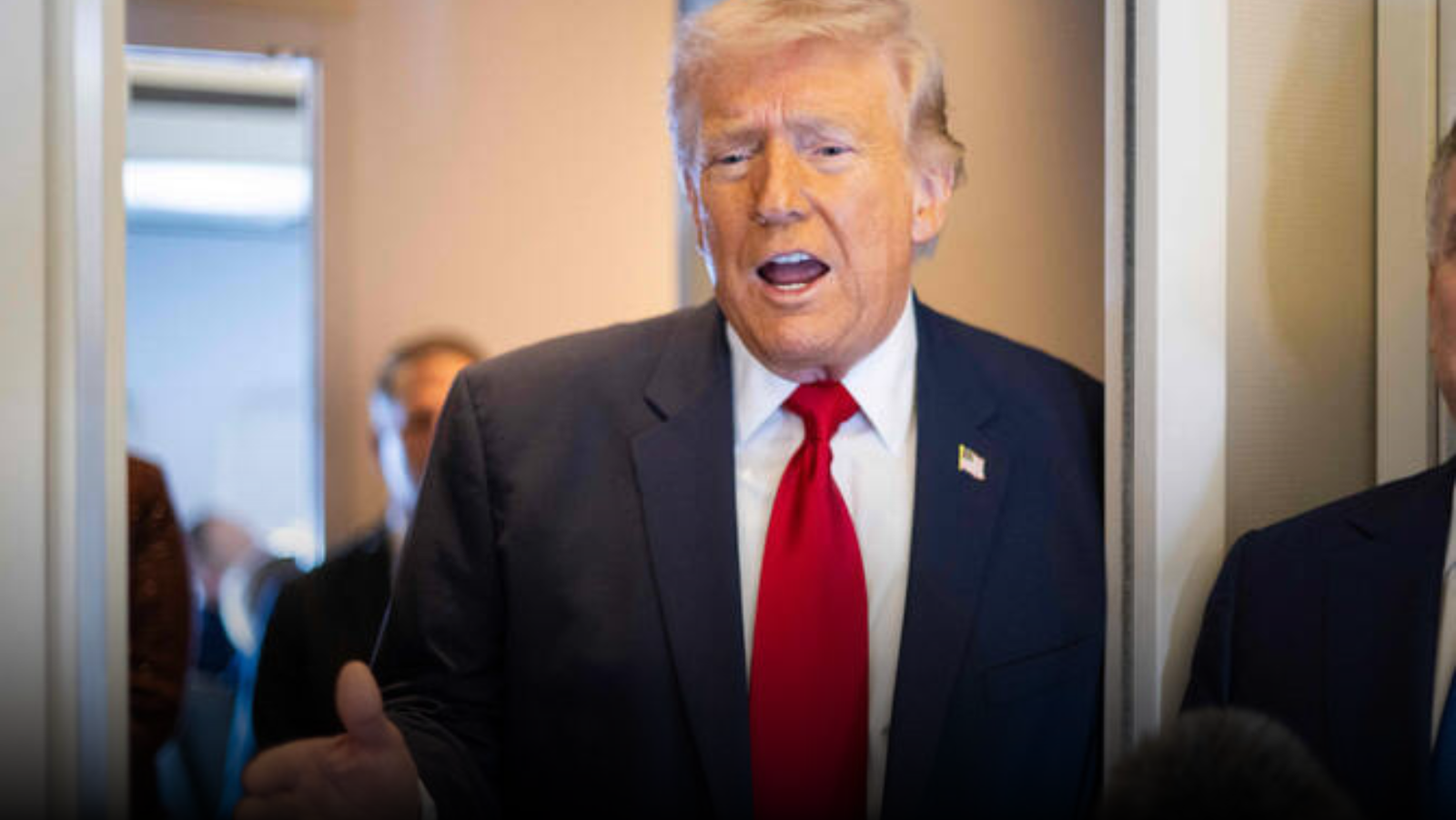
US President Donald Trump said the United States does not require military assistance from Britain in the ongoing conflict with Iran, responding to reports that the United Kingdom was considering sending aircraft carriers to the Middle East. His remarks highlighted growing tensions between the two longtime allies as the regional conflict continues to escalate.
Speaking after reports emerged about potential British naval deployments, Trump stated that the United States and its allies were capable of handling the situation without additional British military support. The comments were posted on social media and quickly attracted attention because of the traditionally close defense relationship between Washington and London.
Trump said Britain had begun seriously considering the possibility of sending two aircraft carriers to the Middle East to support operations linked to the conflict with Iran. However, he emphasized that the United States no longer needed such assistance.
In his message, Trump acknowledged the United Kingdom as a historic ally but indicated that its participation would not be necessary for the outcome of the war. He suggested that if Britain decided to join the conflict after major military operations had already taken place, it would not change the overall result.
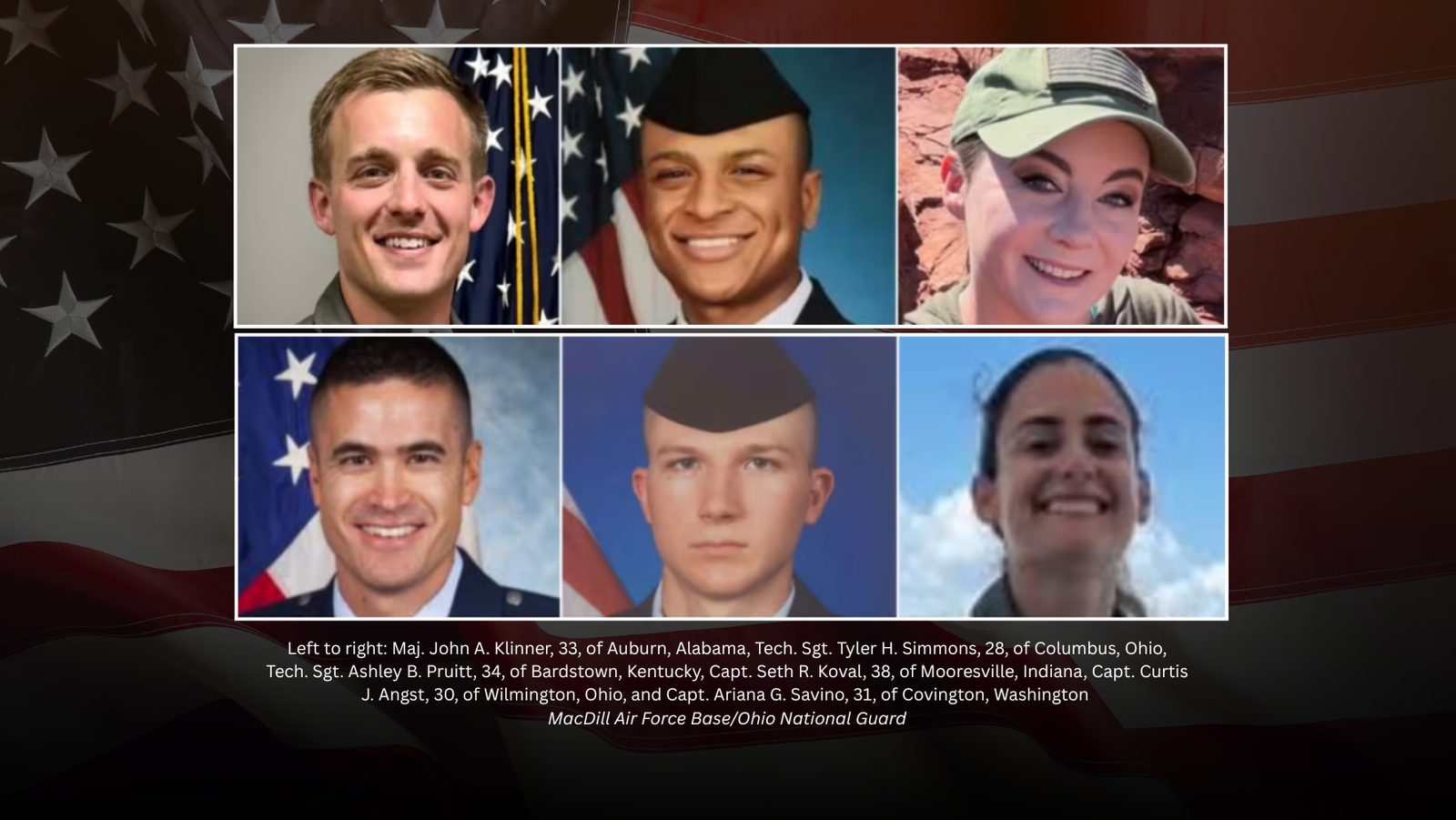
The statement came shortly after the US president attended a solemn ceremony marking the return of American service members who had died during military operations connected to the conflict. The ceremony took place at Dover Air Force Base in the US state of Delaware, where the remains of the fallen personnel were received with military honors.
Trump’s remarks were also a reaction to reports in British media indicating that the Royal Navy was preparing one of its largest aircraft carriers, HMS Prince of Wales, for a potential deployment to the Middle East. The vessel is currently based in Portsmouth and is considered one of the most advanced ships in the British fleet.
British defense officials confirmed that preparations were underway for a possible deployment of the carrier group but emphasized that no final decision had been made. The United Kingdom’s Ministry of Defense said the move was part of contingency planning as the situation in the Middle East continues to develop.
The HMS Prince of Wales aircraft carrier has the capability to deploy advanced fighter jets, helicopters, and support vessels, making it a major component of Britain’s naval power. If deployed, it would likely operate alongside other allied naval forces already present in the region.
Despite the preparations, British authorities stressed that any decision regarding military deployment would depend on political and strategic considerations. Officials said the government was closely monitoring developments in the Middle East before determining the next steps.
The situation reflects broader disagreements between Washington and London regarding the handling of the conflict with Iran. British Prime Minister Keir Starmer previously faced criticism after initially declining to allow the United States to use British military bases for the first wave of strikes against Iranian targets.
Starmer defended that decision by saying the British government needed to ensure that any military action was lawful and properly planned before offering support. He later authorized the use of British bases for what he described as defensive operations aimed at neutralizing Iranian missile launchers and weapons storage sites.
The differing approaches have contributed to a rare public disagreement between the two governments. Trump has openly criticized the British leadership during the dispute, expressing frustration over the timing and conditions of Britain’s involvement.
In recent comments, the US president also made remarks comparing the current British leadership with historical wartime figures, suggesting that today’s political leaders were not demonstrating the same level of decisiveness.
Meanwhile, tensions between the two countries have not been limited to the Iran conflict. Earlier this year, disagreements emerged after Trump discussed the possibility of purchasing Greenland, a proposal that drew criticism from European leaders.
Starmer had also criticized remarks suggesting that European troops avoided frontline combat during the war in Afghanistan. He described those comments as unacceptable and defended the role played by European forces during the conflict.
Despite the political friction, defense analysts say the United States and the United Kingdom remain closely linked through NATO and long-standing military partnerships. Both countries continue to cooperate on intelligence sharing, defense technology, and international security operations.
The current conflict in the Middle East has placed those alliances under pressure, as governments balance domestic political considerations with strategic military cooperation.
Observers note that while disagreements between allies are not unusual during major conflicts, public statements such as Trump’s highlight the complexities of maintaining unity during periods of heightened geopolitical tension.
As the situation in the region continues to evolve, governments across Europe and North America are assessing their military and diplomatic roles in the crisis while monitoring developments related to the conflict with Iran.