
Trump says decision on Iran deal expected within 10 days
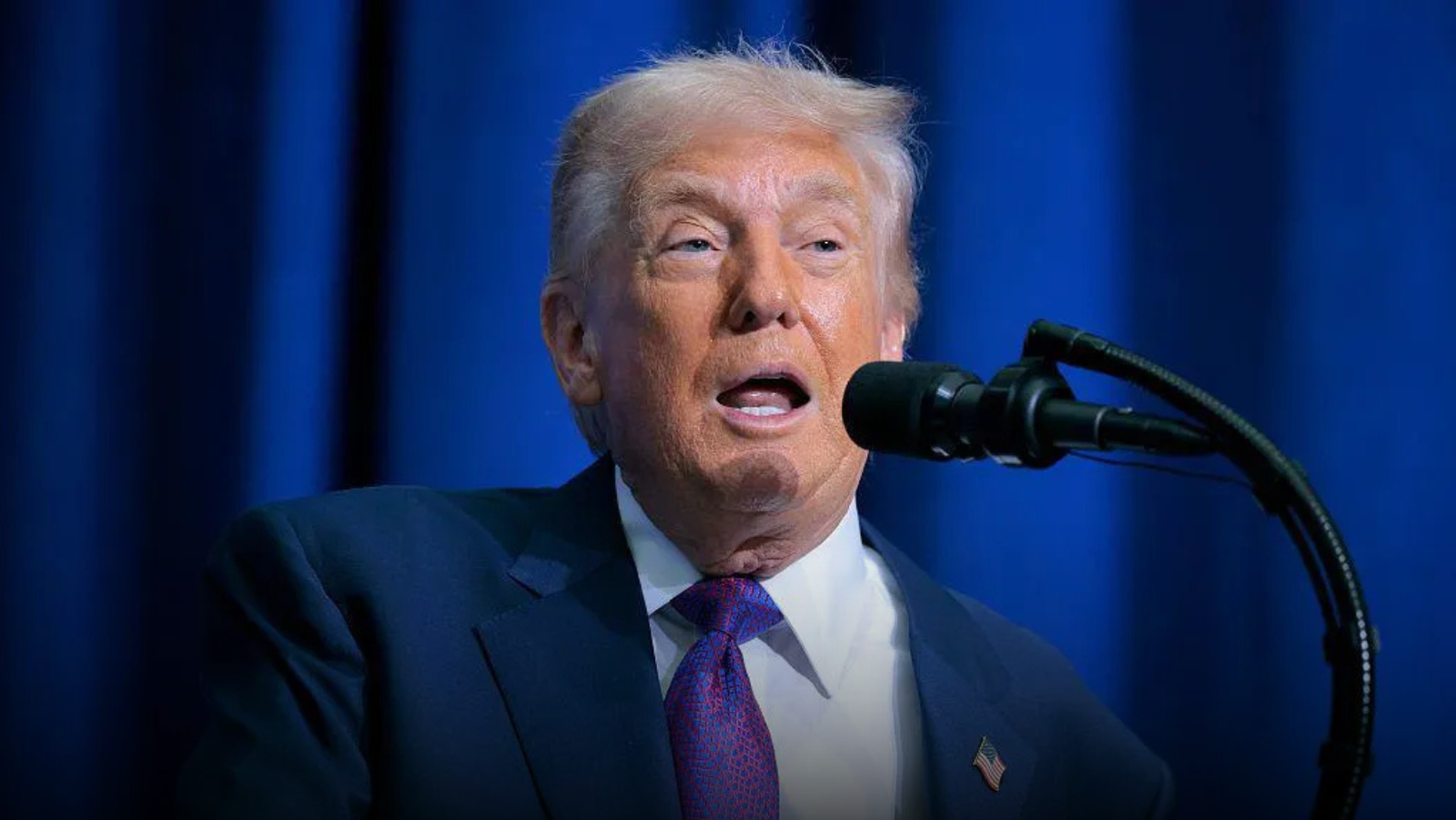
US President Donald Trump has said the world will know within the next “probably 10 days” whether the United States can reach an agreement with Iran over its nuclear programme or whether further action may be required.
Speaking at the inaugural meeting of his Board of Peace in Washington, Mr Trump said negotiations with Tehran were ongoing but acknowledged that striking a meaningful deal has never been easy. “We have some work to do,” he said, adding that if diplomacy fails, the US “may have to take it a step further.”
The comments come as Washington increases pressure on Tehran both diplomatically and militarily. In recent days, the US has reinforced its presence in the Middle East, including the deployment of the USS Abraham Lincoln aircraft carrier, as talks between American and Iranian negotiators continue in Switzerland.
Mr Trump said Special Envoy Steve Witkoff and adviser Jared Kushner had held “very good meetings” related to the negotiations. He stressed that preventing Iran from developing nuclear weapons remains a central objective of his administration.
The White House has indicated that while the president prefers a diplomatic solution, Iran would be “very wise” to reach an agreement. Officials have maintained that all options remain on the table.
The Board of Peace, initially seen as an initiative focused on resolving the conflict between Israel and Hamas in Gaza, appears to have taken on a broader role. Some observers have questioned whether it is intended to expand US-led diplomatic efforts beyond existing international frameworks.
Tensions have been heightened by reports of previous US strikes on Iranian nuclear facilities and discussions within the administration about possible future military options. Satellite imagery has shown Iran reinforcing certain military sites, while Iran’s Supreme Leader, Ali Khamenei, has issued defiant messages warning against US military action.
In Washington, several lawmakers from both parties have voiced concern about the prospect of military action without congressional approval. Democratic Representative Ro Khanna and Republican Representative Thomas Massie have indicated they will seek a vote under the 1973 War Powers Act, which gives Congress authority to limit presidential military actions.
Critics argue that a conflict with Iran could have far-reaching consequences, citing the country’s population of around 90 million and its significant military capabilities, as well as the presence of US troops across the region.
With diplomacy and military preparations unfolding at the same time, the coming days are likely to be critical in determining whether negotiations produce a breakthrough or whether tensions escalate further.