
Trump Rejects Negotiation To End Iran War Conflict

Trump Rejects Negotiation To End Iran War Conflict as tensions escalate across Middle East
US President Donald Trump said he is not interested in negotiating an end to the ongoing war with Iran, signaling that the conflict could continue until Iran’s military capabilities and leadership are severely weakened. His comments come as fighting intensifies across the Middle East with missile strikes, drone attacks, and military operations reported in several countries.
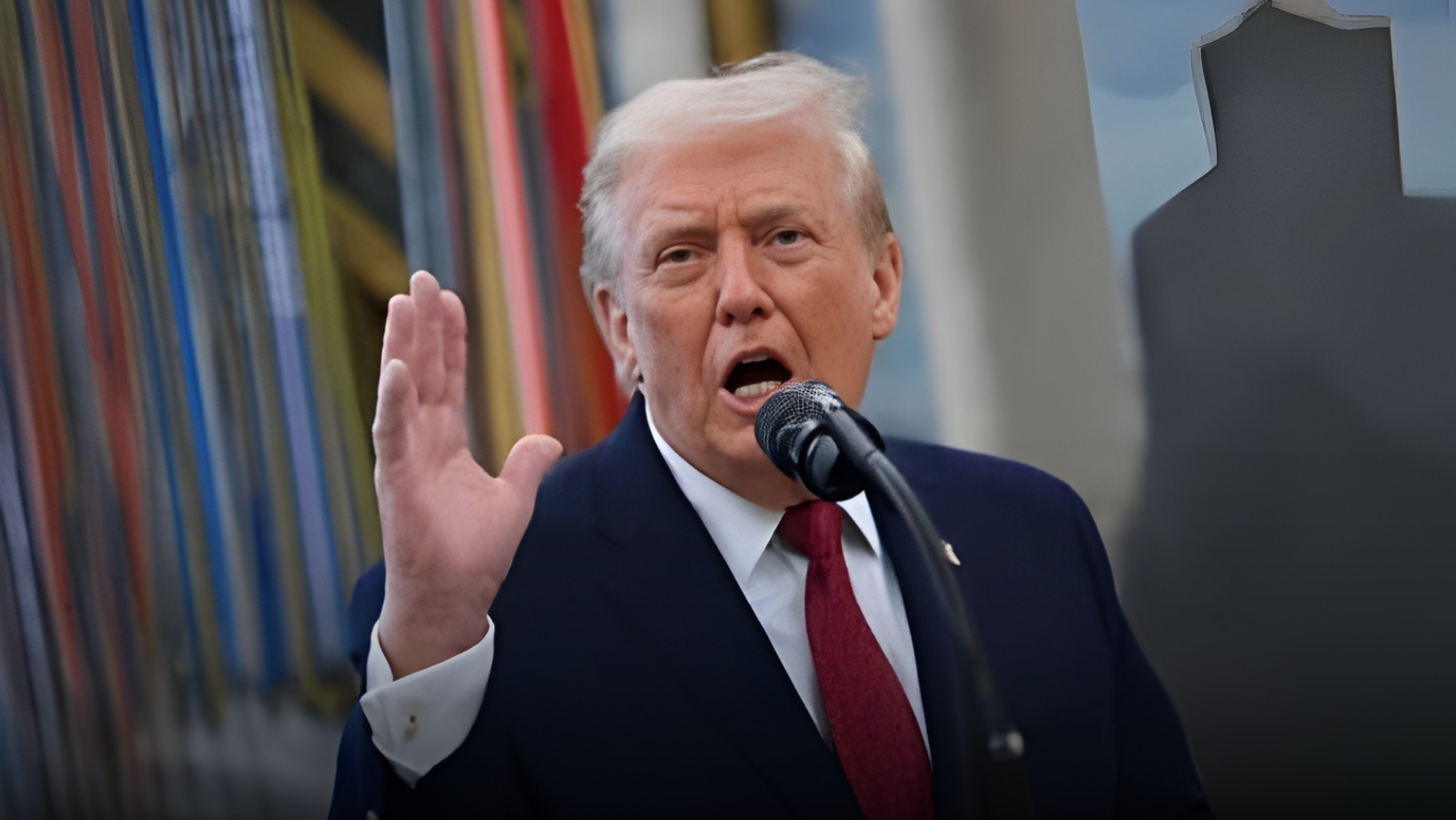
Speaking to reporters aboard Air Force One, Trump indicated that the war may only conclude when Iran’s leadership structure and military forces are no longer capable of continuing the fight. He suggested that the conflict might reach a point where there would be no one left to negotiate a surrender.
The remarks were made as the war between the United States, Israel, and Iran continued to expand across the region. Military activity has increased in several Middle Eastern countries, disrupting global markets, affecting international travel, and raising concerns about regional stability.
Shortly after Trump’s statement, Israel announced new airstrikes inside Iran. According to Israeli officials, the latest strikes targeted critical fuel storage facilities believed to be supporting Iran’s military operations. These attacks are part of a broader campaign aimed at weakening Iran’s military infrastructure.
At the same time, Iran’s political leadership is facing a major transition following the death of its supreme leader earlier in the conflict. Iranian media reports indicate that the Assembly of Experts, the clerical body responsible for selecting the country’s top leader, may soon meet to appoint a successor.
Members of the council have reportedly reached a broad consensus on who should become the next supreme leader, although procedural discussions are still ongoing. The leadership change is taking place while Iran continues to face heavy military pressure from external attacks.
Israel has also issued warnings related to the succession process in Iran. The Israeli military said it would pursue individuals involved in appointing the next Iranian leader, suggesting that figures connected to the leadership transition could become targets during the conflict.
Trump has also used social media to warn that additional Iranian officials may become targets in future military operations. In a message posted online, he suggested that further strikes could expand to include new locations and groups not previously considered.
The US president also declared that Iran was no longer the dominant force in the region, describing the country as having lost its position as a major power in the Middle East.
Meanwhile, Iranian President Masoud Pezeshkian recently apologized for missile and drone attacks that had affected neighboring Gulf countries. He stated that Iran would halt attacks on nearby states unless military operations against Iran were launched from their territories.
According to Iranian officials, the country’s temporary leadership council approved the suspension of strikes against neighboring nations as part of an effort to prevent the conflict from spreading further across the region.
Despite these statements, the fighting has continued with repeated missile launches and drone strikes reported across several countries. Military activity has affected critical infrastructure, airports, and energy facilities in multiple Gulf states.
Trump also addressed the possibility of Kurdish forces joining the conflict against Iran. He said Kurdish fighters in the region had shown willingness to assist efforts aimed at weakening the Iranian government. However, the US president rejected the idea, saying their involvement would complicate an already complex war.
He emphasized that the situation in the Middle East was already difficult enough without adding additional armed groups to the conflict.
The war has already resulted in significant casualties on multiple sides. Iranian officials say that more than one thousand civilians have been killed during the attacks carried out by US and Israeli forces. Thousands of others have reportedly been injured during the strikes.
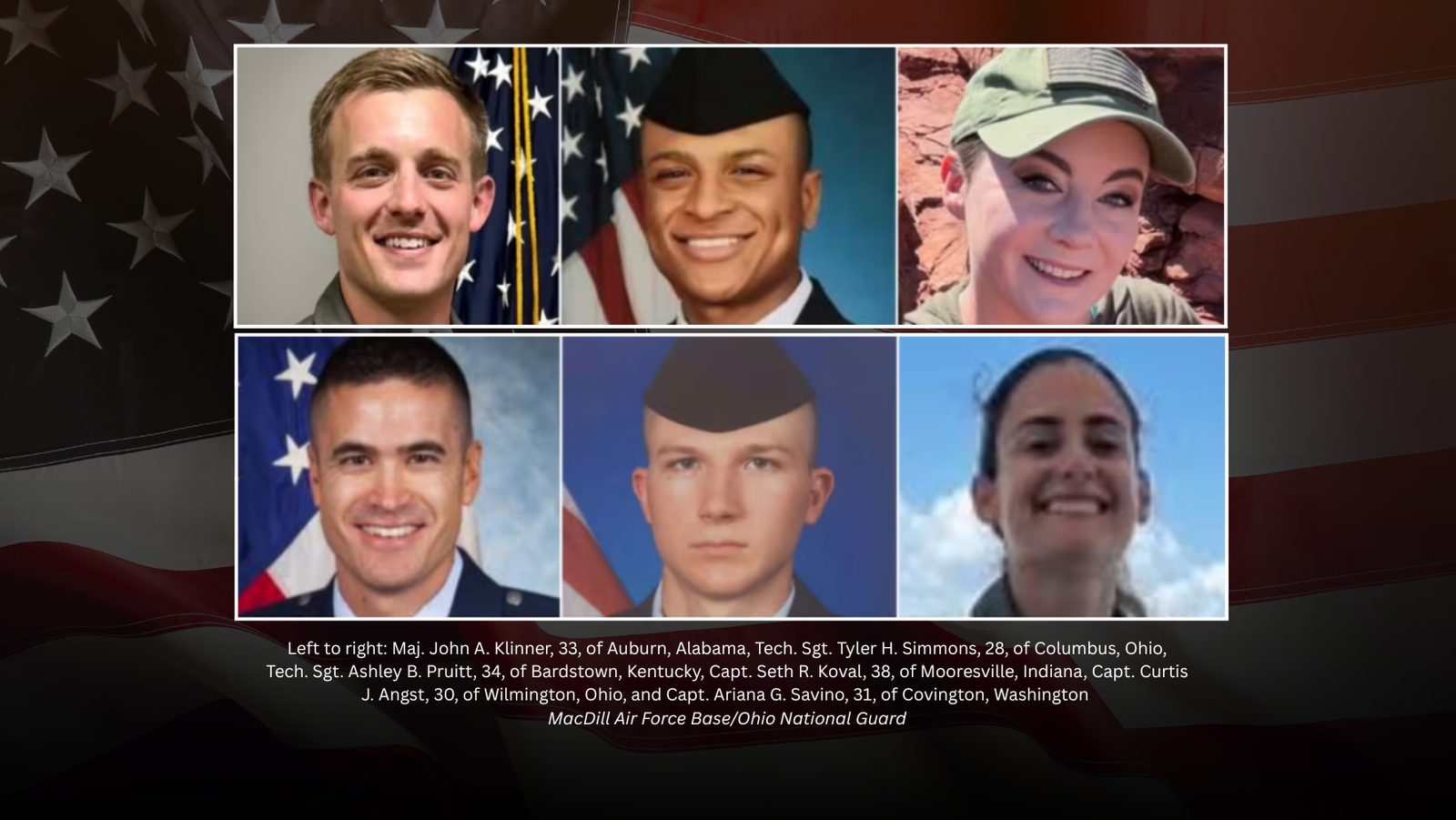
In Israel, Iranian attacks have also caused casualties, with at least ten people reported dead following missile and drone strikes. The conflict has also affected US military personnel stationed in the region, with several service members killed during attacks on American facilities.
The war has also spread beyond Iran and Israel into neighboring areas. Israeli forces launched new strikes in Lebanon after fighters from the Iran-aligned group Hezbollah fired rockets across the border. Israeli authorities warned that Lebanon could face severe consequences if the attacks continue.
As the conflict grows, the economic impact is being felt worldwide. Rising tensions have pushed oil prices to multi-year highs as energy infrastructure across the Middle East faces increasing threats.
The situation has also affected shipping routes, particularly the Strait of Hormuz, a critical passage used by oil tankers transporting energy supplies from the Gulf to global markets. Disruptions in this area have raised concerns about potential shortages and increased energy costs worldwide.
Several oil-producing countries in the region have already taken precautionary measures. Kuwait recently announced a reduction in oil production, while Iraq and Qatar have also made adjustments to their energy operations in response to the growing security risks.
Global businesses and airlines have also been affected, as safety concerns and military activity continue to disrupt transportation routes across the region.
Analysts warn that if the conflict continues to expand, the economic and security consequences could extend far beyond the Middle East.