
Trump Downplays Russia Intel Support To Iran War
Trump Downplays Russia Intel Support To Iran War amid rising global tensions
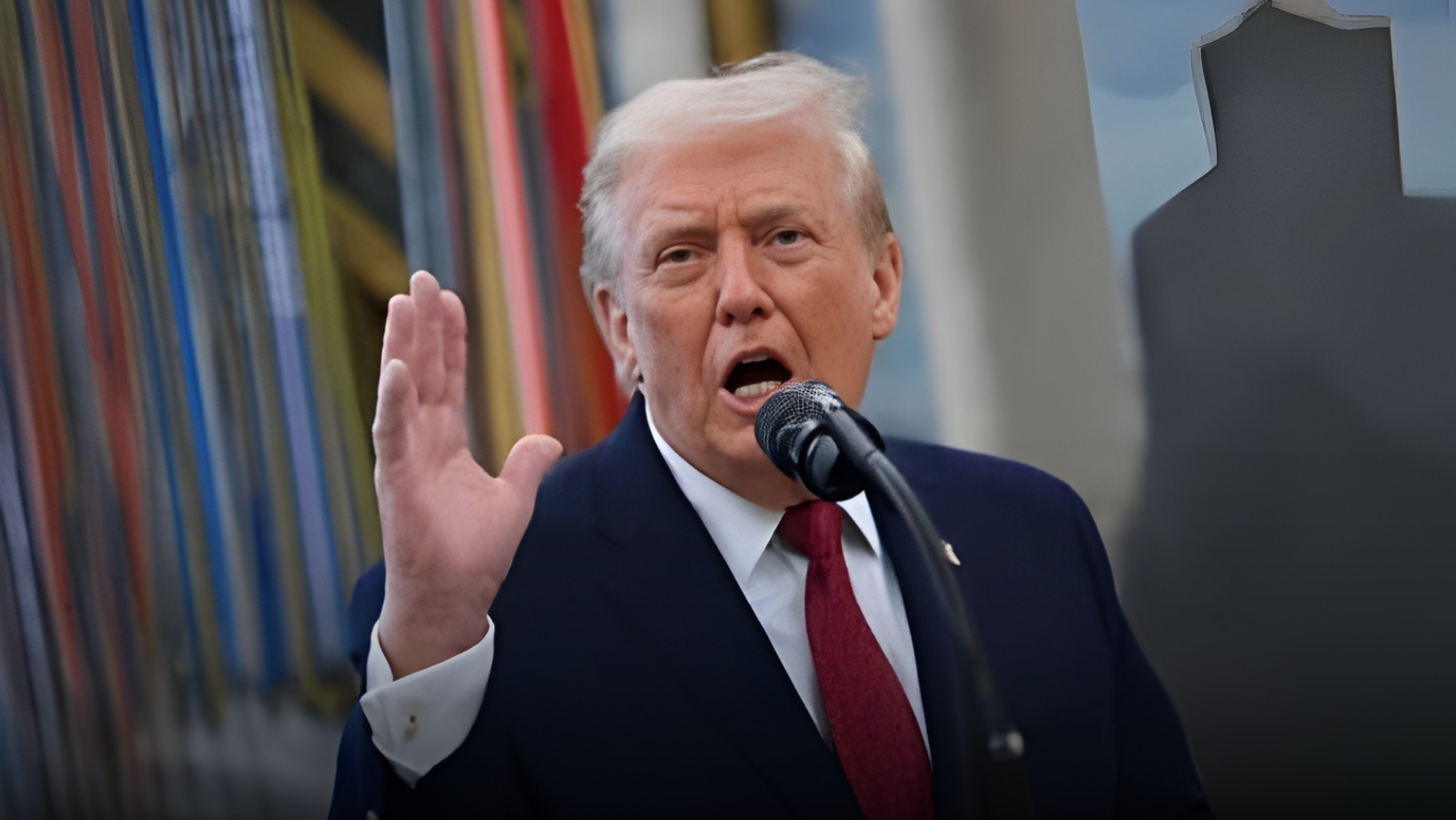
US President Donald Trump said it would not matter much if Russia had shared intelligence with Iran to help it target American forces in the Middle East, as the conflict involving the United States, Israel, and Iran continues to escalate. His remarks came amid reports suggesting Moscow may have provided Tehran with information about US military positions and assets in the region.
Speaking to reporters while traveling aboard Air Force One to Miami, Trump dismissed the significance of any potential intelligence cooperation between Russia and Iran. He suggested that even if such information had been shared, it had not helped Iran achieve meaningful success during the ongoing conflict.
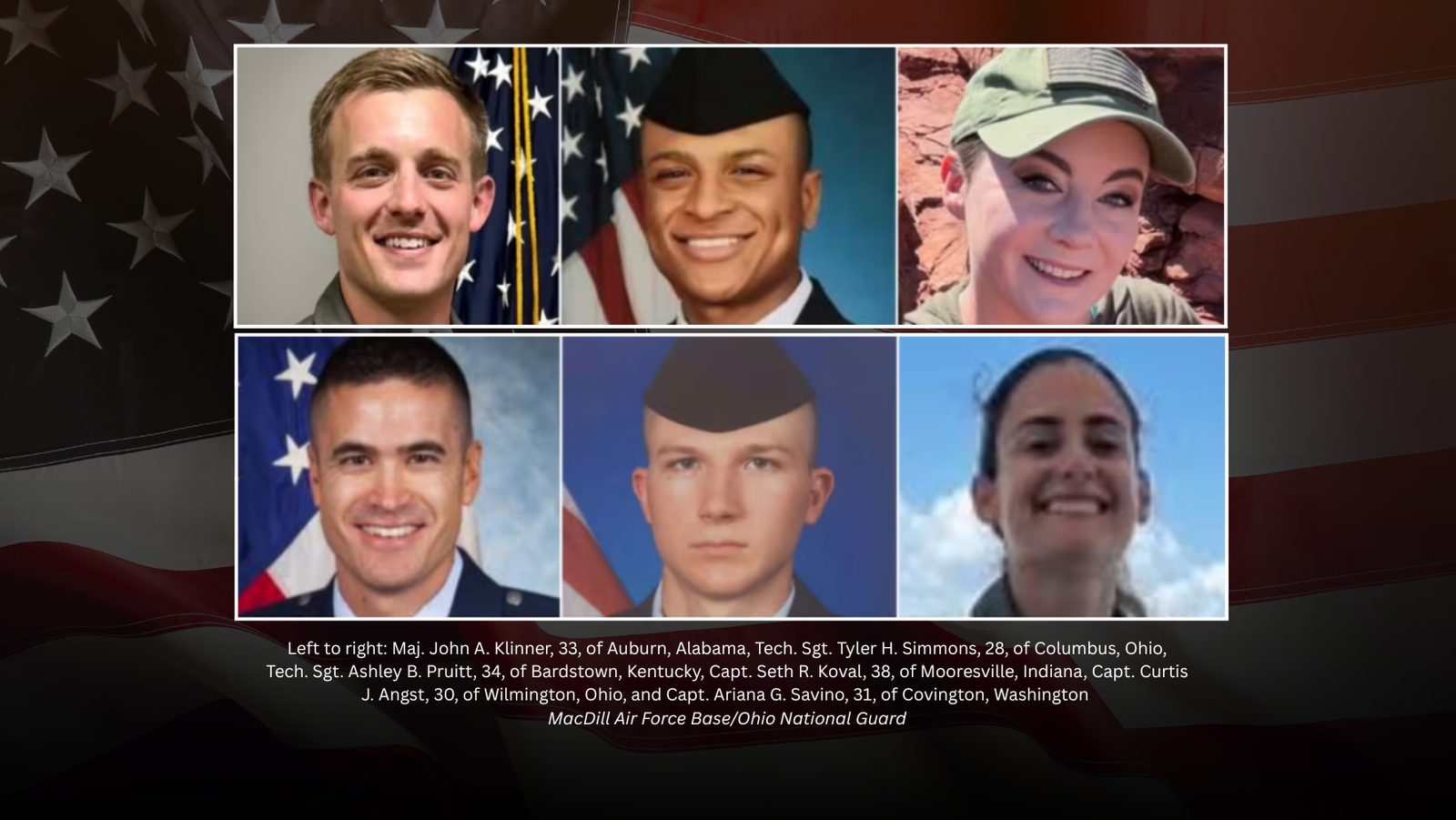
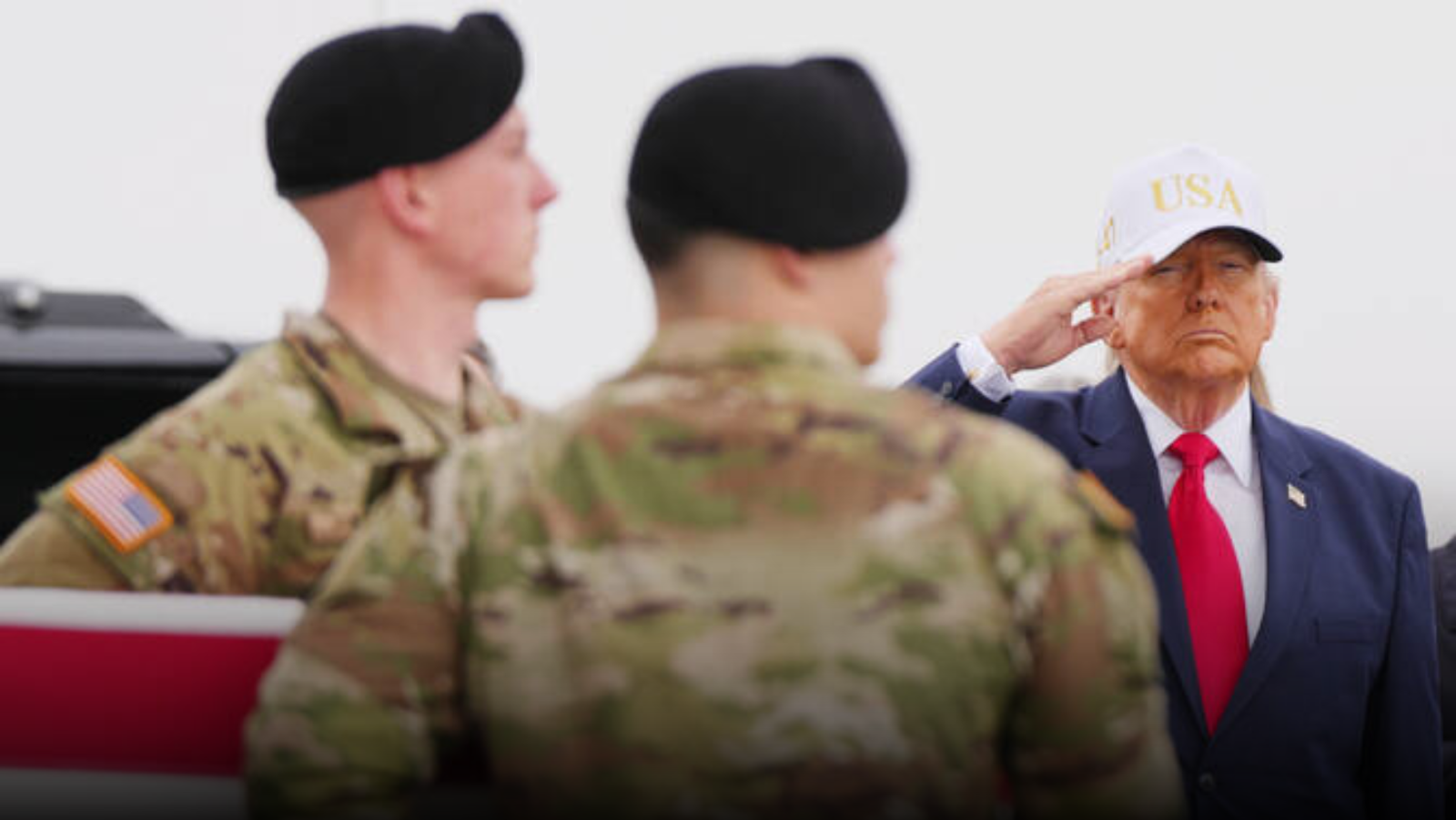
Trump made the comments shortly after attending a solemn ceremony honoring six US Army reservists who were killed in a drone strike in Kuwait. The attack occurred shortly after military operations began in the region following strikes carried out by the United States and Israel against Iranian targets. The incident has further intensified tensions and raised concerns about the safety of US personnel deployed across the Middle East.
When asked about reports indicating that Russia might have provided Iran with targeting information, Trump stopped short of confirming the intelligence assessments. However, he indicated that if Moscow had shared such data, it appeared to have had little impact on the battlefield.
The president suggested that Iran’s recent setbacks during the conflict demonstrate that outside intelligence support has not significantly improved Tehran’s military effectiveness. He pointed to developments during the past week of fighting as evidence that the alleged information sharing had not changed the course of the conflict.
Trump also dismissed concerns that Russia’s potential involvement might affect the relationship between Washington and Moscow. Responding to questions about whether such actions would influence US policy toward Russia, he said that similar accusations are often made about the United States providing intelligence to its allies.
In recent years, the United States has provided intelligence support to several partners facing military threats. One notable example has been Ukraine, which has received intelligence assistance from the United States since Russia launched its invasion in 2022. That information has helped Ukrainian forces defend against missile attacks and conduct operations targeting Russian military positions.
The discussion about Russia’s possible intelligence support for Iran comes as Washington faces criticism from some lawmakers regarding its broader policy toward Moscow. Earlier in the week, the US Treasury Department announced that India would temporarily be allowed to continue purchasing Russian oil for a limited period.
The decision permits India to buy crude oil and petroleum products from Russia until early April. The move was described by officials as a temporary measure aimed at stabilizing global energy markets while the conflict in the Middle East continues to disrupt supplies.
However, the decision triggered criticism from several members of the US Congress. Some lawmakers argued that allowing continued oil purchases could provide Russia with additional revenue at a time when Western governments have tried to limit Moscow’s financial resources following its invasion of Ukraine.
Critics said easing restrictions on Russian oil sales could indirectly help Moscow sustain its military capabilities. They also expressed concern that Russia might simultaneously support Iran in its confrontation with the United States and its allies.
Supporters of the temporary waiver argued that global oil markets are already under pressure due to the war involving Iran. Energy prices have risen sharply as investors worry about the stability of supply routes and infrastructure across the Middle East.
One of the key concerns involves the Strait of Hormuz, a narrow waterway connecting the Persian Gulf to the global shipping network. The strait is one of the world’s most critical oil transit routes, with roughly 20 million barrels of oil passing through it each day under normal conditions.
Recent disruptions linked to the conflict have affected shipping in the area, raising fears that energy supplies from major producers in the region could be interrupted. Damage to certain oil and gas facilities in the Middle East has also contributed to supply uncertainty.
As oil prices continue to rise, governments are exploring options to reduce pressure on global energy markets. Trump said his administration would consider any reasonable steps that might help stabilize prices and limit economic disruption.
However, he indicated that releasing oil from the United States Strategic Petroleum Reserve was not currently being considered as an immediate solution. The reserve is a large emergency stockpile maintained by the US government to address supply disruptions.
According to official data, the Strategic Petroleum Reserve currently holds more than 415 million barrels of oil. At full capacity, the reserve can store more than 700 million barrels, making it one of the largest emergency energy reserves in the world.
Trump emphasized that the United States has substantial energy resources and expressed confidence that oil markets would eventually stabilize despite the ongoing conflict and geopolitical tensions affecting global supply chains.