
Trump China Visit May 2026 Xi Jinping Meeting Delayed Amid Rising Global Tensions
High-Level US-China Talks Signal a Crucial Shift in Diplomatic Relations
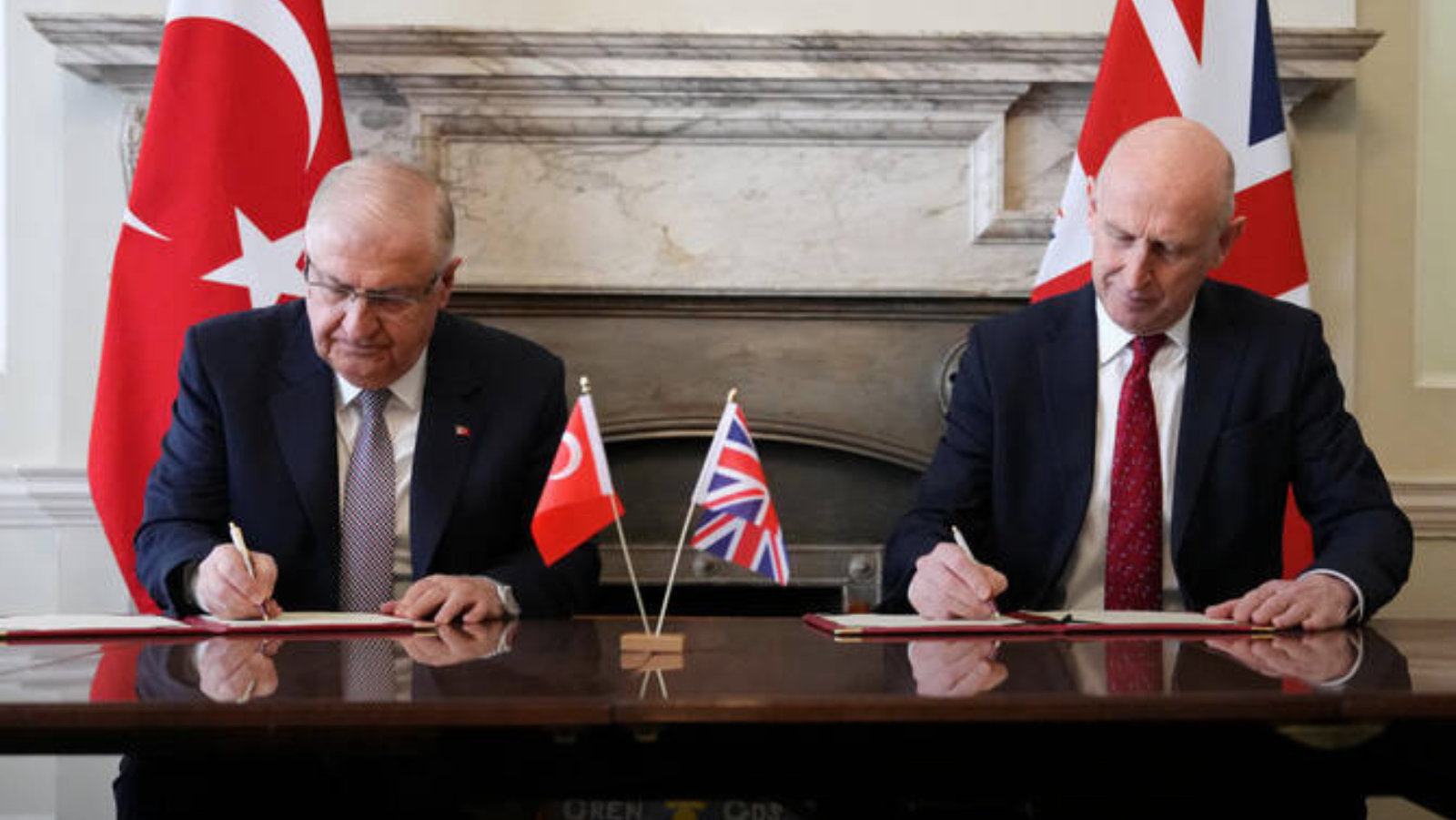
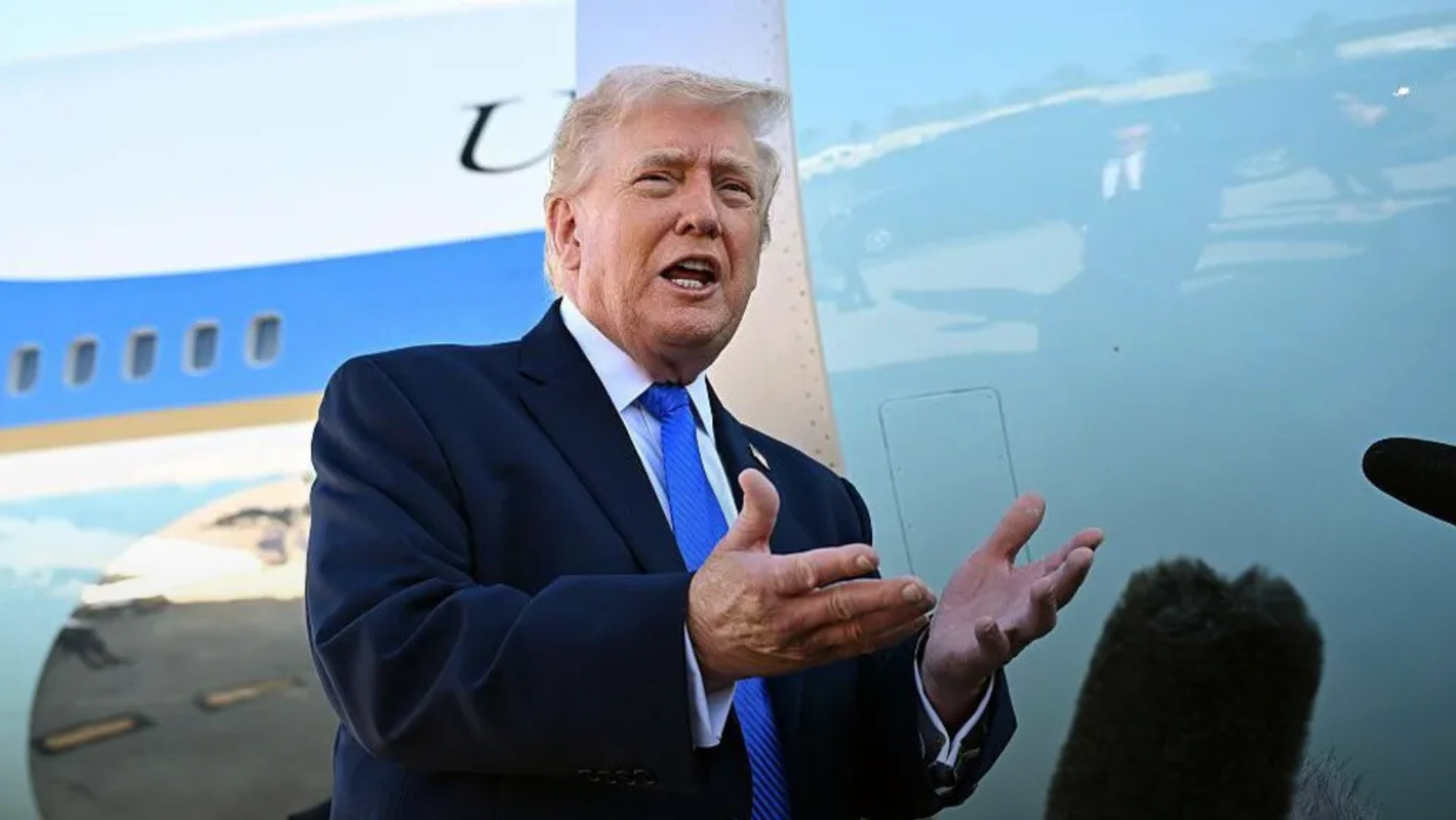
The Trump China visit May 2026 Xi Jinping meeting has officially been rescheduled for May 14–15, 2026, following a delay caused by escalating tensions in the Middle East. Donald Trump confirmed that the visit was postponed due to urgent national security priorities linked to the Iran conflict. Originally planned for late March, the trip was delayed as the United States focused on strategic military and diplomatic coordination. Officials emphasized that the president’s presence in Washington was critical during this period, especially as key decisions were being made regarding regional stability and international alliances. This development highlights how global crises can disrupt even the most carefully planned diplomatic engagements and force leaders to adjust their schedules based on rapidly evolving geopolitical conditions.
US-China Trade Tensions and Technology Rivalry Shape Upcoming Discussions
The upcoming meeting between Trump and Xi Jinping is being closely watched as a key moment in the evolving relationship between the United States and China. Over the past decade, ties between the two nations have been shaped by trade disputes, tariffs, and increasing competition in advanced technology sectors. Both sides have introduced policies aimed at protecting domestic industries, often leading to economic friction and uncertainty in global markets. However, this meeting presents an opportunity to reestablish communication and explore areas of cooperation that could benefit both economies. Analysts suggest that even limited progress could help restore confidence among investors and reduce volatility in international trade.
Iran Conflict and Energy Security Concerns Influence Diplomatic Scheduling
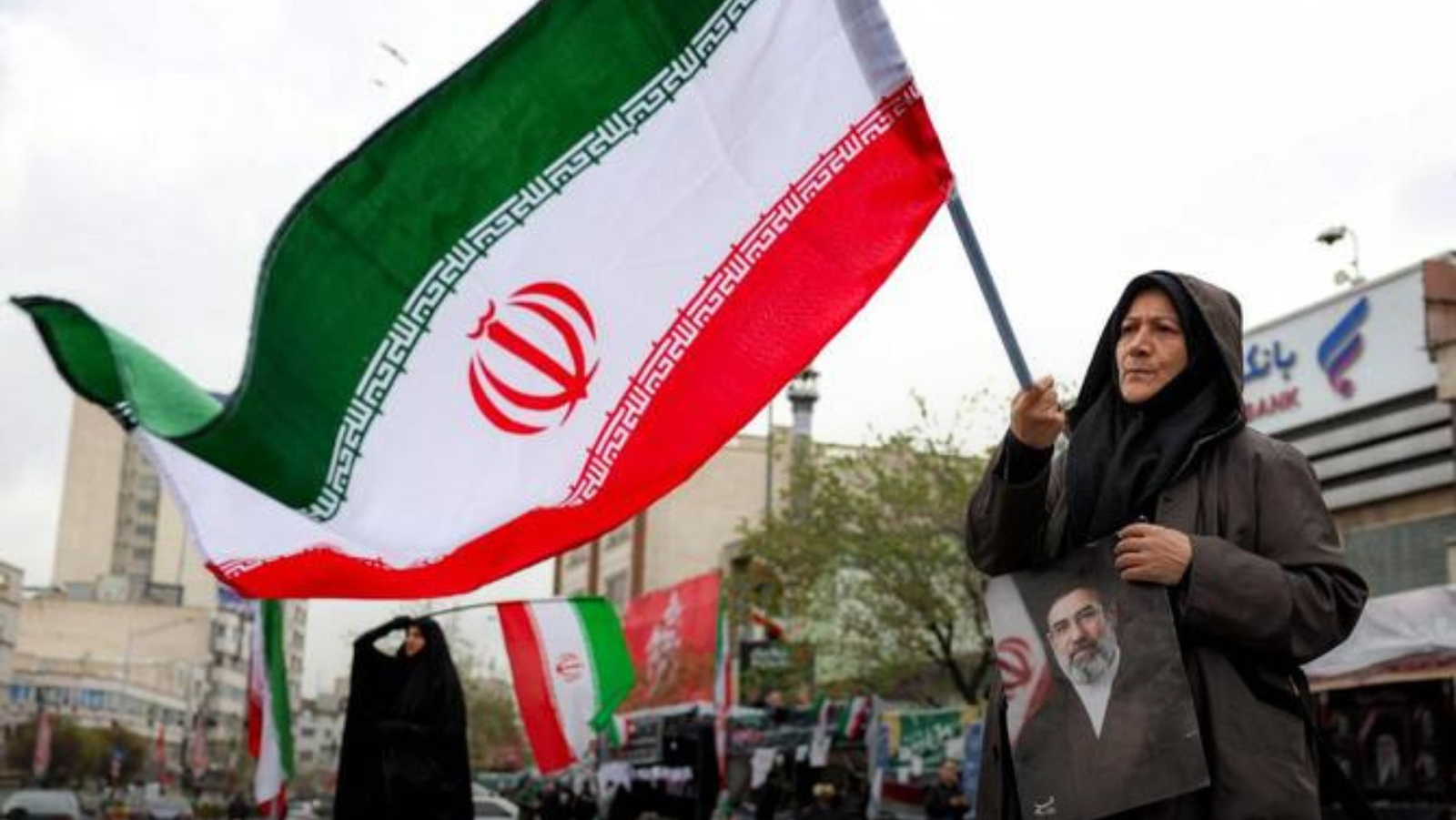
The delay of the planned visit reflects the broader impact of the Iran crisis on global diplomacy. Rising tensions in the Middle East have created uncertainty around critical energy routes, particularly the Strait of Hormuz, which plays a vital role in global oil transportation. Any disruption in this region can have immediate consequences for energy prices and economic stability worldwide. Governments have been forced to prioritize crisis management, balancing diplomatic engagements with urgent security concerns. This situation demonstrates how interconnected global systems are, where a regional conflict can quickly influence international policies and economic conditions across multiple continents and sectors.
Geopolitical Competition and Regional Security Remain Key Focus Areas
The broader geopolitical landscape adds further importance to the upcoming discussions. Relations between the United States and China are influenced by multiple factors, including military presence in the Asia-Pacific region, economic influence, and strategic alliances with neighboring countries. Despite these challenges, both countries understand the importance of maintaining open lines of communication to prevent misunderstandings. The meeting is expected to cover issues such as regional security, trade frameworks, and technological development. These discussions are essential for maintaining global balance and ensuring that competition between major powers does not escalate into conflict that could disrupt international peace and economic stability.
Expected Outcomes for Global Markets and Diplomatic Engagement
Expectations surrounding the meeting remain high, with global stakeholders closely observing potential outcomes. Experts believe that the talks could lead to easing trade tensions, improving diplomatic engagement, and establishing mechanisms to manage future disputes effectively. Even small agreements could have a positive impact on global markets by reducing uncertainty and boosting investor confidence. Diplomatic engagements of this nature often serve as a foundation for long-term cooperation, even if immediate results are limited. The willingness of both sides to engage constructively will play a crucial role in determining whether the meeting leads to meaningful progress or remains largely symbolic in nature.
Future Outlook for International Relations and Global Stability
Looking ahead, this high-level engagement is expected to have lasting implications for international relations. The outcomes could influence global economic trends, trade policies, and regional security strategies for years to come. As the world continues to face complex geopolitical challenges, cooperation between major powers becomes increasingly essential. Organizations such as the United Nations Human Rights Office continue to emphasize the importance of diplomacy, dialogue, and adherence to international norms. Strengthening communication channels between the United States and China could help create a more predictable and stable global environment, reducing the likelihood of sudden disruptions.
Conclusion
In conclusion, the Trump China visit May 2026 Xi Jinping meeting represents a significant moment in global diplomacy. The delay caused by the Iran conflict highlights how interconnected international events have become, influencing decisions across governments and regions. As both leaders prepare for this important discussion, the global community will be watching closely for signs of progress and cooperation. While challenges remain, the meeting offers a valuable opportunity to rebuild trust, strengthen communication, and address critical issues affecting global stability. According to insights shared through official international platforms and policy updates, diplomatic engagement remains essential in managing global tensions and promoting peace. For readers seeking deeper understanding and continuous updates, you can explore our latest world news coverage .