

Strait of Hormuz Ships Attacked by Unknown Projectiles
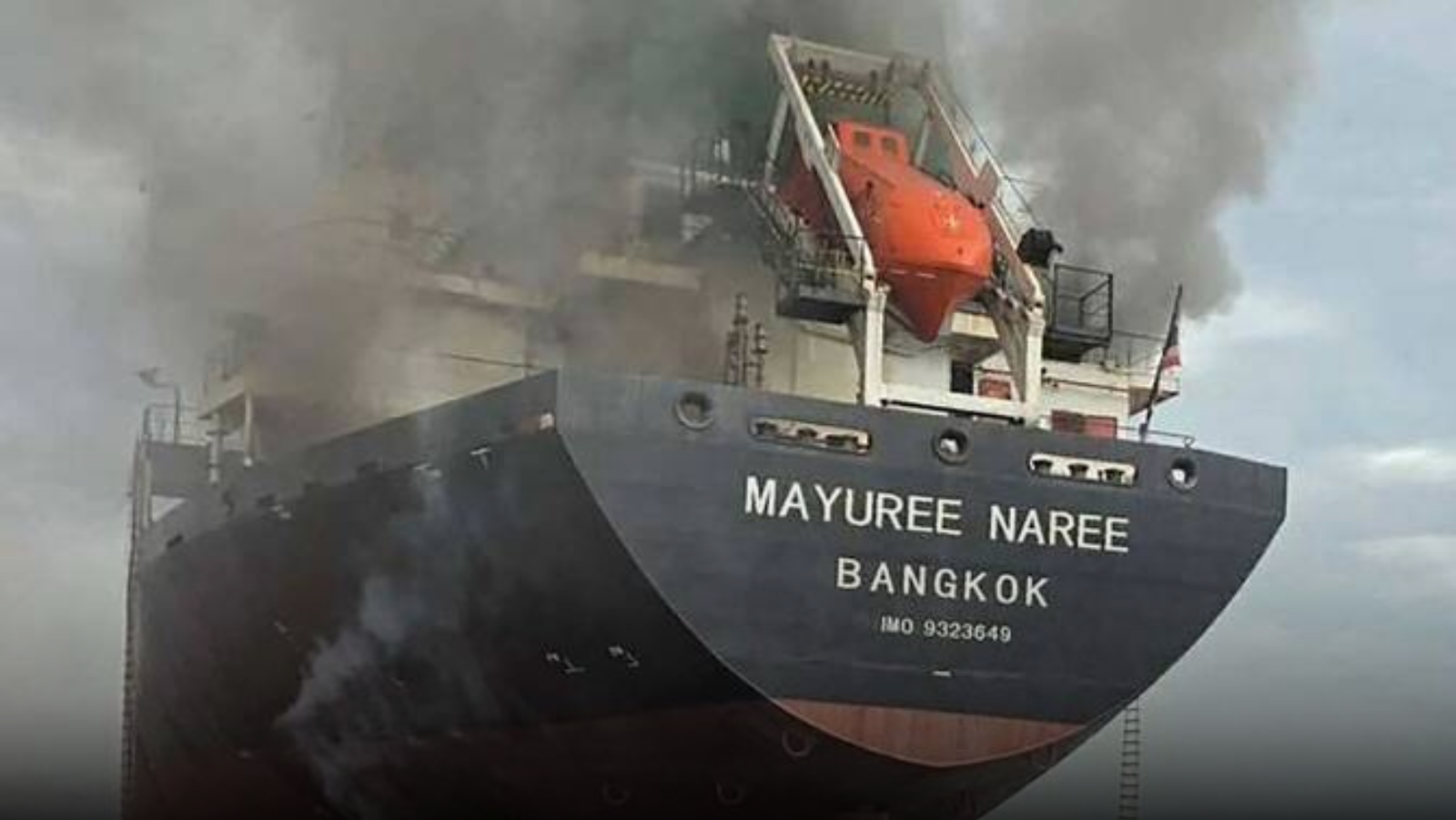
Strait of Hormuz ships attacked by unknown projectiles, raising maritime risks and affecting global oil shipments
Maritime authorities have confirmed that three more vessels were struck by unidentified projectiles in the Strait of Hormuz on Wednesday. This incident increases the total number of ships affected in the region since the recent Iran conflict to at least fourteen.
The narrow waterway, one of the world’s most important shipping lanes, has been under extreme scrutiny since late February, as attacks and military threats have forced shipping to slow down dramatically. The ongoing disruptions affect roughly a fifth of the global oil supply, leading to heightened energy prices and growing international concern.
The Thai-flagged Mayuree Naree, a dry bulk carrier, was among the vessels hit. It was struck by two projectiles of unknown origin, resulting in a fire and engine room damage. Rescue operations are underway for three crew members who remain trapped in the engine room. Meanwhile, the remaining 20 crew members have been safely evacuated to Oman. Images from Thai naval authorities show thick smoke rising from the rear of the ship, indicating the extent of the damage.
Iran’s Revolutionary Guards claimed responsibility for the strike, marking a direct engagement with a commercial ship, which is the first reported incident of this kind. Previously, attacks in the region involved missile and drone activity, but not direct targeting of vessels by Iranian forces.
In addition to the Mayuree Naree, two other ships sustained projectile damage. The Japan-flagged container ship ONE Majesty was struck while at anchor approximately 46 kilometers northwest of Ras Al Khaimah. An inspection revealed minor damage above the waterline, but all crew members were unharmed and the ship remains operational.
The Marshall Islands-flagged Star Gwyneth was also hit while anchored about 50 miles northwest of Dubai. Damage was reported in the cargo hold, but all crew members are safe, and the vessel remains stable and seaworthy.
These attacks underscore the high risk for commercial vessels transiting the Strait of Hormuz, a critical maritime corridor for global oil trade. Experts warn that even small-scale incidents can have significant repercussions for energy markets, as disruptions in this strait can delay shipments and raise fuel costs worldwide.
The United States has offered naval escorts to shipping companies but has limited routine protection due to the high level of threat. Authorities have also warned that obstruction of the strait could trigger military responses, adding further uncertainty to maritime operations.
Maritime risk management firms continue to monitor developments closely, advising ship operators to take precautionary measures. Ships in the area are recommended to maintain strict vigilance, minimize time spent in high-risk zones, and coordinate with regional authorities for safe navigation.
The three ships attacked by unknown projectiles in the Strait of Hormuz highlight the growing dangers faced by commercial shipping in conflict-affected regions. These attacks have both human and economic consequences, particularly given the vital role of the strait in the global energy supply chain.
Rescue teams in Oman and the UAE remain on alert to assist affected vessels, particularly the Mayuree Naree, where crew members remain trapped. While the other two ships sustained minor damage, the potential for human loss remains a serious concern.
Experts believe that the attacks may influence global oil prices and shipping insurance rates. Companies are revising operational plans, insurance policies, and contingency measures to minimize risks associated with transit through the Gulf.
These incidents demonstrate the strategic importance of the Strait of Hormuz and the vulnerability of maritime commerce in the area. Analysts caution that if hostilities continue, projectile strikes and other attacks could increase in frequency, potentially impacting global markets and regional stability.
Authorities emphasize that heightened security protocols and collaboration with local governments are essential to ensure the safety of crews and vessels navigating the Gulf waters. Despite the danger, commercial shipping remains critical to international trade and energy distribution.
In summary, Wednesday’s events illustrate the growing security threats in the Strait of Hormuz, with three ships hit by unknown projectiles. The incidents underscore the need for vigilance, emergency preparedness, and international coordination to protect lives, vessels, and global economic interests.