

Single nasal spray vaccine could protect against coughs, colds and flu, researchers say
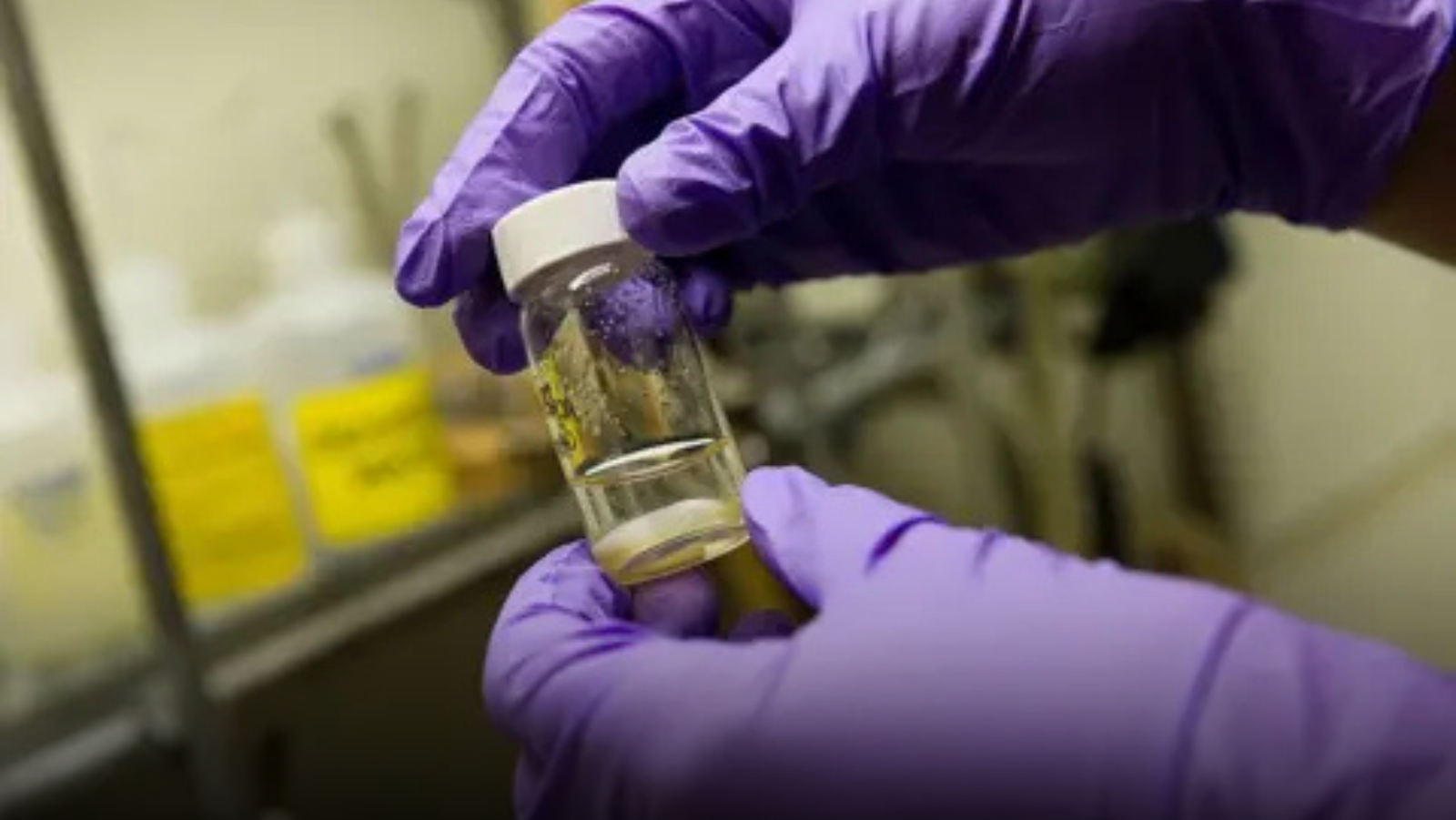
A single nasal spray vaccine could one day protect people against coughs, colds, flu viruses and even certain bacterial lung infections, according to researchers in the United States who describe the approach as a major shift in how vaccines work.
Scientists at Stanford University say their experimental “universal vaccine” has shown promising results in animal studies, though it has not yet been tested in humans. The findings were published in the journal Science.
Unlike traditional vaccines, which train the immune system to recognize and attack a specific virus, this new method does not target a single pathogen. Instead, it works by mimicking natural communication between immune cells, placing key white blood cells in the lungs on what researchers describe as “amber alert.”
These immune cells, known as macrophages, are left in a heightened state of readiness, allowing them to respond rapidly to a wide range of invading viruses or bacteria. In animal experiments, this effect lasted for about three months and reduced the amount of virus entering the body by between 100 and 1,000 times.
Professor Bali Pulendran, a microbiologist and immunologist at Stanford, said the principle behind the vaccine represents a “radical departure” from the way vaccines have been designed for more than two centuries. Since the work of vaccine pioneer Edward Jenner in the late 18th century, immunisation has typically focused on building protection against one disease at a time.
The researchers say their nasal spray approach could offer broader protection — not only against flu viruses, Covid and common cold viruses, but also against bacteria such as Staphylococcus aureus and Acinetobacter baumannii, both of which can cause serious lung infections. The study also found that the immune shift appeared to dampen responses to allergens like house dust mites, raising the possibility that it could help reduce allergic asthma symptoms.
Independent experts have described the research as exciting but caution that it remains at an early stage. Professor Daniela Ferreira, a vaccinology specialist at the University of Oxford, said the findings could mark a major step forward if confirmed in human trials.
There are still significant questions to answer. Scientists do not yet know whether the same immune response can be safely triggered in people or how long the protective effect would last. Human immune systems are more complex than those of laboratory animals and shaped by years of exposure to infections.
Some researchers have also raised concerns about the potential risks of keeping the immune system in a heightened state. Professor Jonathan Ball of the Liverpool School of Tropical Medicine said it would be important to ensure that stimulating the body’s defenses does not lead to harmful side effects.
The team behind the research says the vaccine is not intended to replace existing immunisations, but could instead complement them. In the early stages of a pandemic, a broadly protective spray could help reduce severe illness and deaths while disease-specific vaccines are being developed.
Researchers are now planning further studies, including human trials, to determine whether the approach can safely deliver the same broad protection beyond laboratory experiments.