
Saudi Egypt visa exemption for diplomatic passports
Saudi Egypt visa exemption for diplomatic passports strengthens bilateral cooperation
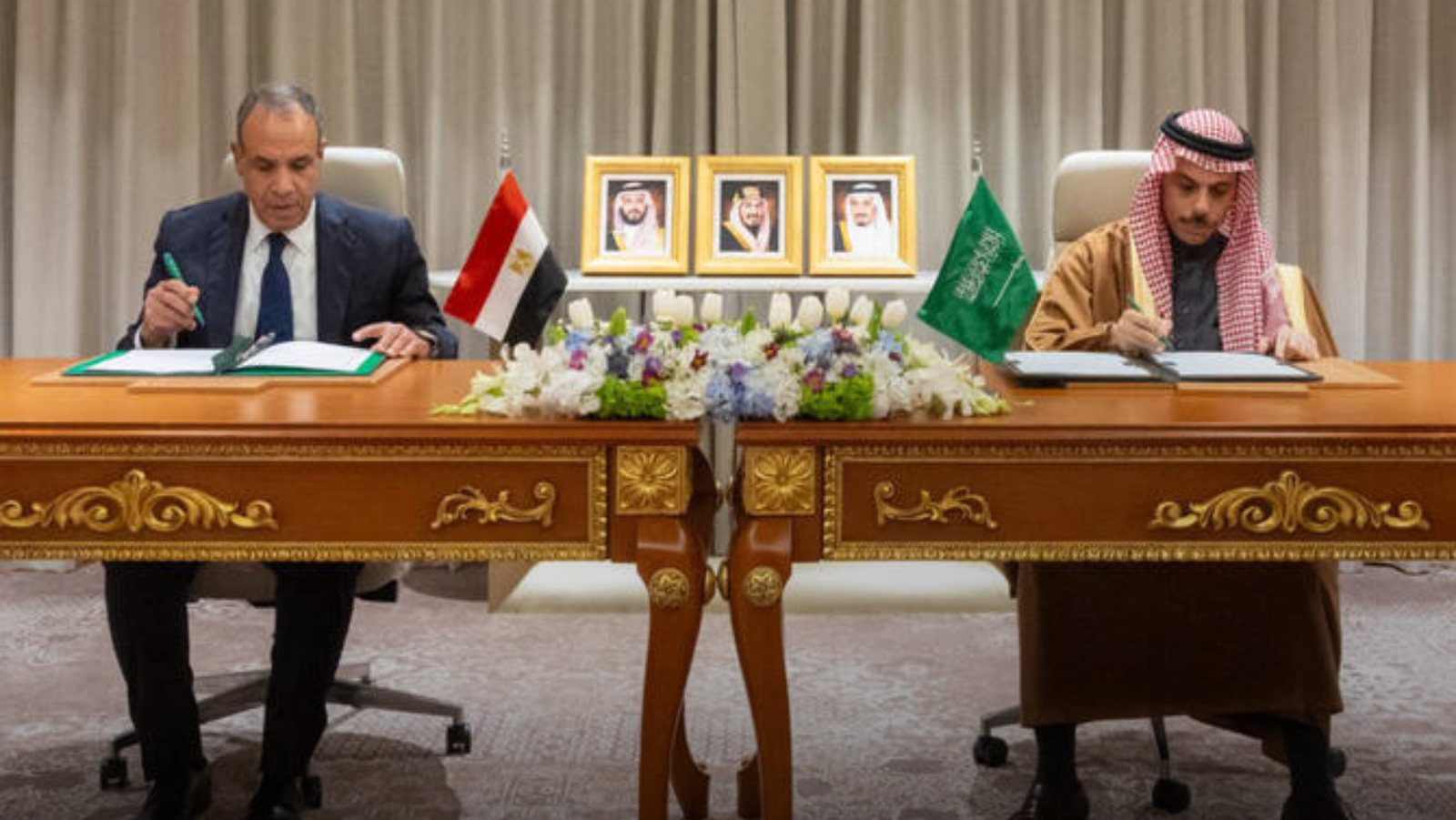
Saudi Arabia and Egypt have taken a significant step to enhance diplomatic relations by signing a new agreement that allows mutual visa exemptions for holders of diplomatic, special, and service passports. The agreement was signed in Riyadh by Saudi Foreign Minister Prince Faisal bin Farhan and Egyptian Foreign Minister Badr Abdelatty, reflecting the deep-rooted ties between the two countries.
This development is seen as part of ongoing efforts to strengthen cooperation between Riyadh and Cairo, particularly in political, economic, and diplomatic areas. By easing travel restrictions for official passport holders, both nations aim to facilitate smoother communication, coordination, and engagement at the governmental level.
Agreement reflects strong Saudi Egypt diplomatic relations
The Saudi Egypt visa exemption for diplomatic passports highlights the long-standing partnership between the two countries. Both nations have maintained close ties for decades, working together on regional issues and international platforms.
Officials emphasized that the agreement aligns with their shared vision of enhancing bilateral relations. It also supports ongoing collaboration in various sectors, including trade, security, and cultural exchange. By simplifying travel procedures for diplomats and officials, the agreement removes administrative barriers that could otherwise delay important discussions and decisions.
Key details of the visa exemption agreement
Under the newly signed agreement, holders of diplomatic, special, and service passports from both Saudi Arabia and Egypt will be allowed to travel between the two countries without the need for short-stay visas. This exemption is expected to streamline official visits and reduce the time required for travel arrangements.
The policy specifically applies to short-term stays, ensuring that official delegations can move quickly for meetings, conferences, and consultations. Such measures are commonly adopted between closely allied nations to promote efficient diplomatic engagement.
This initiative also reflects mutual trust and confidence, as both governments recognize the importance of enabling unrestricted movement for their representatives.
Role of foreign ministers in strengthening cooperation
The signing ceremony was led by Prince Faisal bin Farhan and Badr Abdelatty, both of whom have been actively involved in strengthening ties between their respective countries. Their leadership has played a key role in advancing diplomatic initiatives and ensuring effective communication on regional matters.
During the meeting, the ministers discussed broader areas of cooperation and reaffirmed their commitment to maintaining strong bilateral relations. The agreement is seen as a practical outcome of these discussions, translating diplomatic intentions into concrete action.
Regional context and diplomatic coordination efforts
The agreement was signed on the sidelines of a consultative meeting involving foreign ministers from several Arab and Islamic countries. This gathering provided an opportunity for regional leaders to discuss pressing issues and coordinate responses to emerging challenges.
In addition to Egypt, Saudi Arabia held discussions with representatives from Pakistan and Turkiye, focusing on enhancing cooperation and addressing shared concerns. These meetings highlight the importance of collective efforts in promoting stability and development across the region.
The Saudi Egypt visa exemption for diplomatic passports fits within this broader framework of regional collaboration, emphasizing the role of diplomacy in managing complex geopolitical dynamics.
Impact on diplomatic travel and official engagements
One of the most immediate benefits of the agreement is the simplification of travel procedures for government officials. Diplomatic missions often require frequent travel, and visa requirements can sometimes create delays or logistical challenges.
By removing these barriers, the agreement enables faster and more efficient communication between the two governments. Officials can now attend meetings, negotiate agreements, and participate in international events with greater ease.
This improved mobility is expected to enhance the effectiveness of diplomatic efforts, allowing both countries to respond more quickly to regional and global developments.
Economic and political significance of the agreement
While the agreement primarily focuses on diplomatic travel, its implications extend to broader economic and political relations. Stronger diplomatic ties often lead to increased cooperation in trade, investment, and development projects.
Saudi Arabia and Egypt have already established partnerships in various sectors, including infrastructure, energy, and tourism. Facilitating easier travel for officials can support the planning and implementation of joint initiatives, contributing to economic growth in both countries.
Politically, the agreement reinforces the alignment between Riyadh and Cairo on key regional issues. It signals a shared commitment to collaboration and mutual support, which is essential in addressing challenges facing the Middle East and beyond.
Future outlook for Saudi Egypt cooperation
The Saudi Egypt visa exemption for diplomatic passports represents a step forward in strengthening bilateral relations. It reflects a broader trend of closer cooperation between the two nations, driven by shared interests and common goals.
Looking ahead, both countries are expected to continue expanding their partnership across various fields. Additional agreements and initiatives may be introduced to further enhance collaboration and promote sustainable development.
As regional dynamics evolve, strong diplomatic ties will remain crucial for maintaining stability and fostering growth. The agreement serves as a clear indication of the commitment of Saudi Arabia and Egypt to work together in achieving these objectives.