

Saudi Arabia shoots down missiles and drones amid Gulf attacks
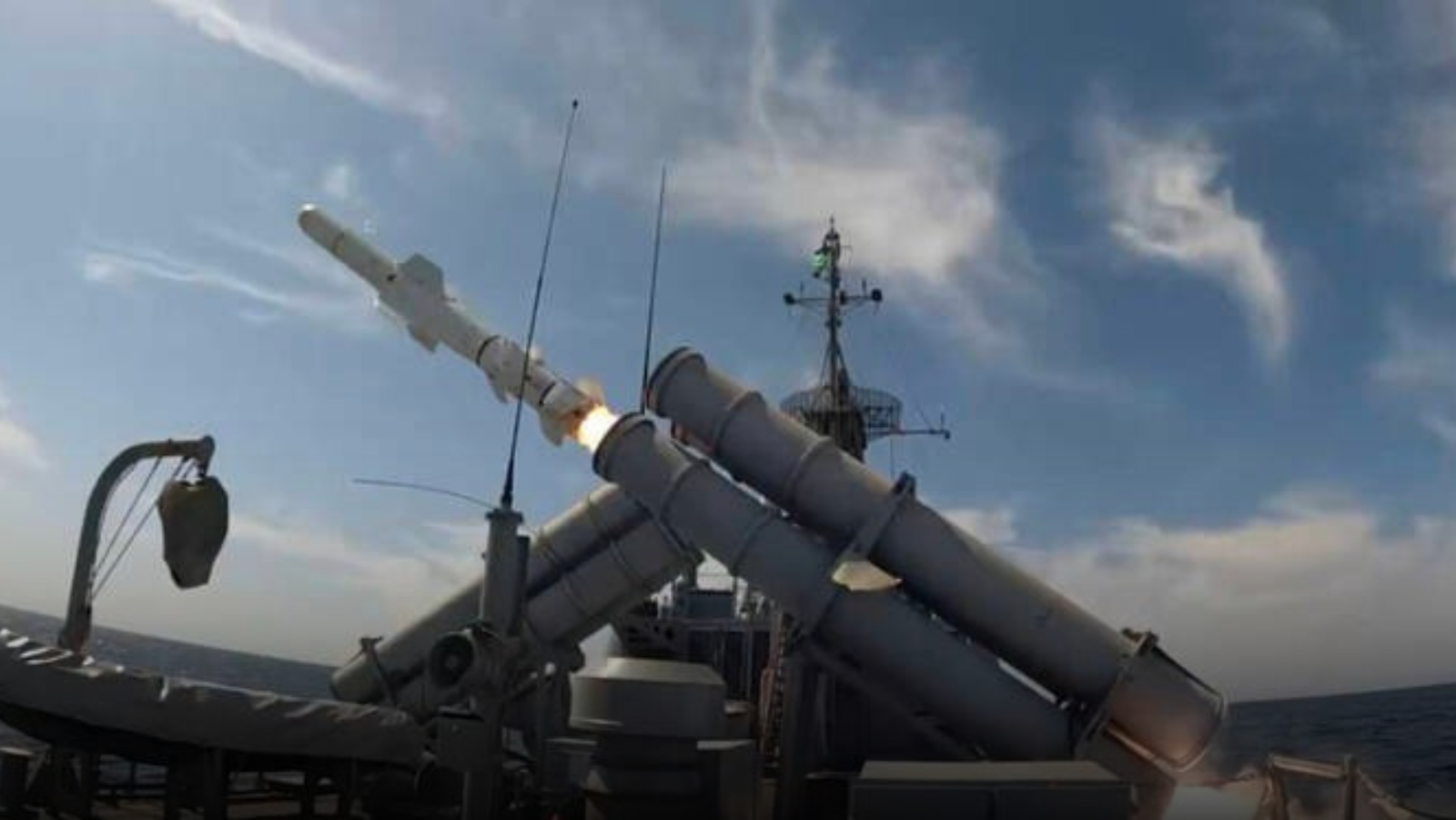
RIYADH: Saudi Arabia reported on Sunday that its air defense systems successfully intercepted six ballistic missiles and dozens of drones after Iran launched a new wave of attacks targeting Gulf nations. Authorities confirmed that the strikes were neutralized before reaching populated areas and critical infrastructure.
The Saudi Defense Ministry said the missiles were destroyed over Al-Kharj, home to the Prince Sultan Air Base, while most drones were intercepted over the Eastern Province, a region containing major oil facilities. Additional drones were brought down near Riyadh. Officials reported no civilian casualties during the attacks.
Over the past week, Gulf nations have faced nightly missile and drone launches believed to be in retaliation for recent strikes against targets inside Iran. The attacks typically begin after sunset and continue into the early hours, while daytime hours remain mostly calm.
Across the region, Bahrain experienced aerial activity above its capital, Manama, early Sunday. Authorities stated that more than 100 missiles and over 200 drones have been intercepted since the start of the attacks. Two fatalities were reported in Bahrain, while additional casualties occurred in neighboring countries.
Kuwait also faced threats over the last 24 hours. Brigadier General Jadaan Fadel, spokesperson for the National Guard, confirmed that five drones were neutralized. A drone strike also temporarily damaged radar equipment at Kuwait International Airport, forcing a suspension of flights as a precautionary measure.
The United Arab Emirates has been on high alert as well. Its Defense Ministry reported intercepting several ballistic missiles and dozens of drones in recent attacks. Officials said hundreds of aerial threats have been neutralized, though several casualties were recorded across the Gulf region.
Security analysts say the pattern of repeated missile and drone launches underscores growing regional tensions and highlights the strategic importance of advanced air defense systems. The strikes, which often target areas near oil facilities and airports, indicate attempts to disrupt regional stability and challenge military preparedness.
Saudi Arabia and its Gulf neighbors continue to strengthen surveillance and defense coordination to protect major cities and critical infrastructure. The recent interceptions demonstrate that the air defense networks are effectively mitigating the immediate threats, though vigilance remains necessary given the ongoing tensions.
As the situation continues, Gulf nations are maintaining high alert levels, monitoring potential retaliatory actions, and reinforcing air defense readiness. While immediate damage has been limited thanks to successful interceptions, the broader security environment in the Gulf remains uncertain as regional hostilities persist.