
Saudi Arabia Reaffirms Support for Maritime Safety and Seafarer Protection
Saudi Arabia’s Commitment to Securing Global Shipping Routes Amid Rising Regional Tensions
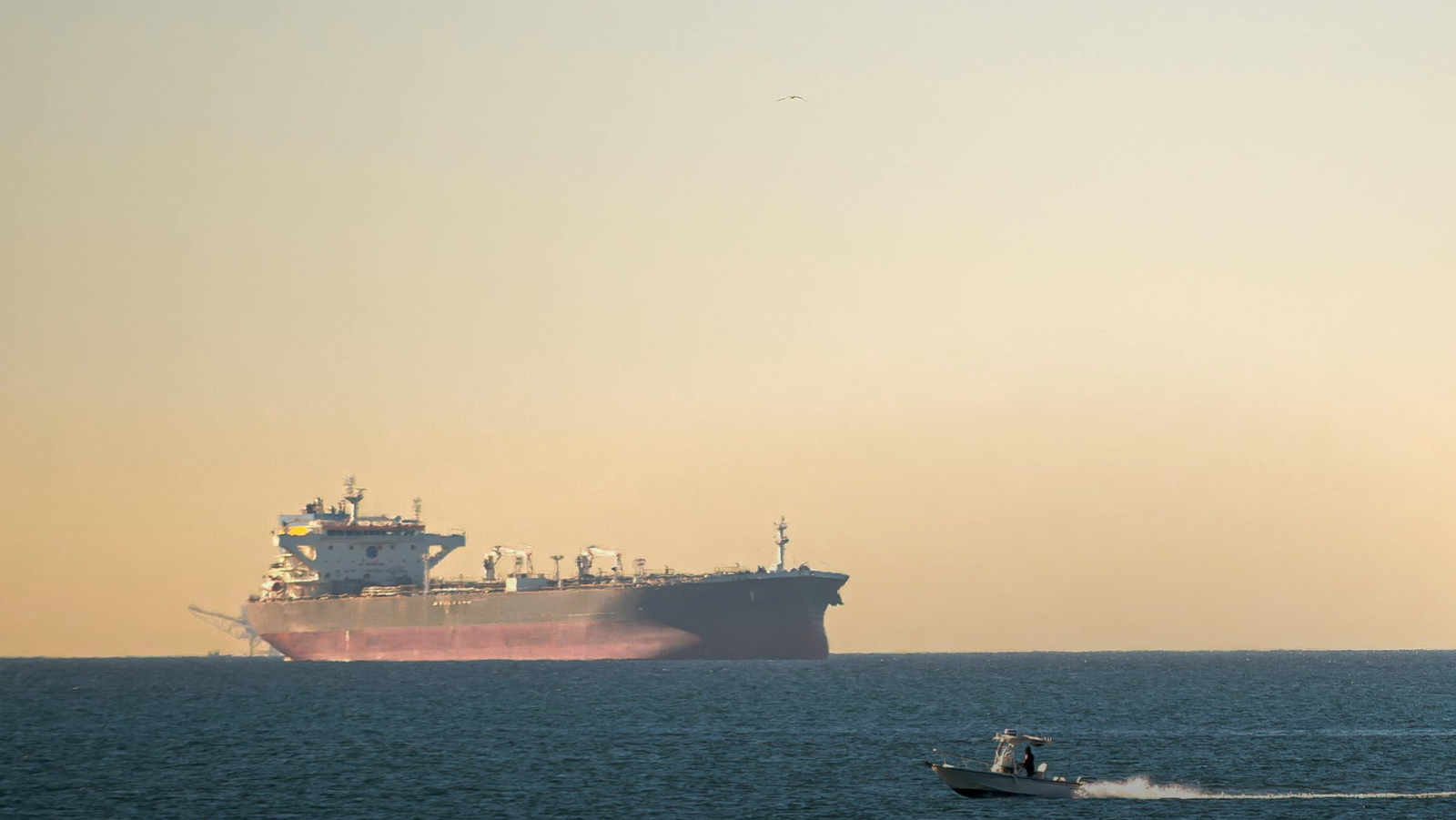
Saudi Arabia reaffirms support for maritime safety and the protection of seafarers, underscoring its unwavering commitment to international efforts aimed at securing vital global shipping routes. The Kingdom’s statement comes as regional threats, particularly in the Strait of Hormuz, continue to disrupt maritime operations. This strategic waterway, essential for global oil transport, has become a focal point for tensions between Iran and other countries in the region.
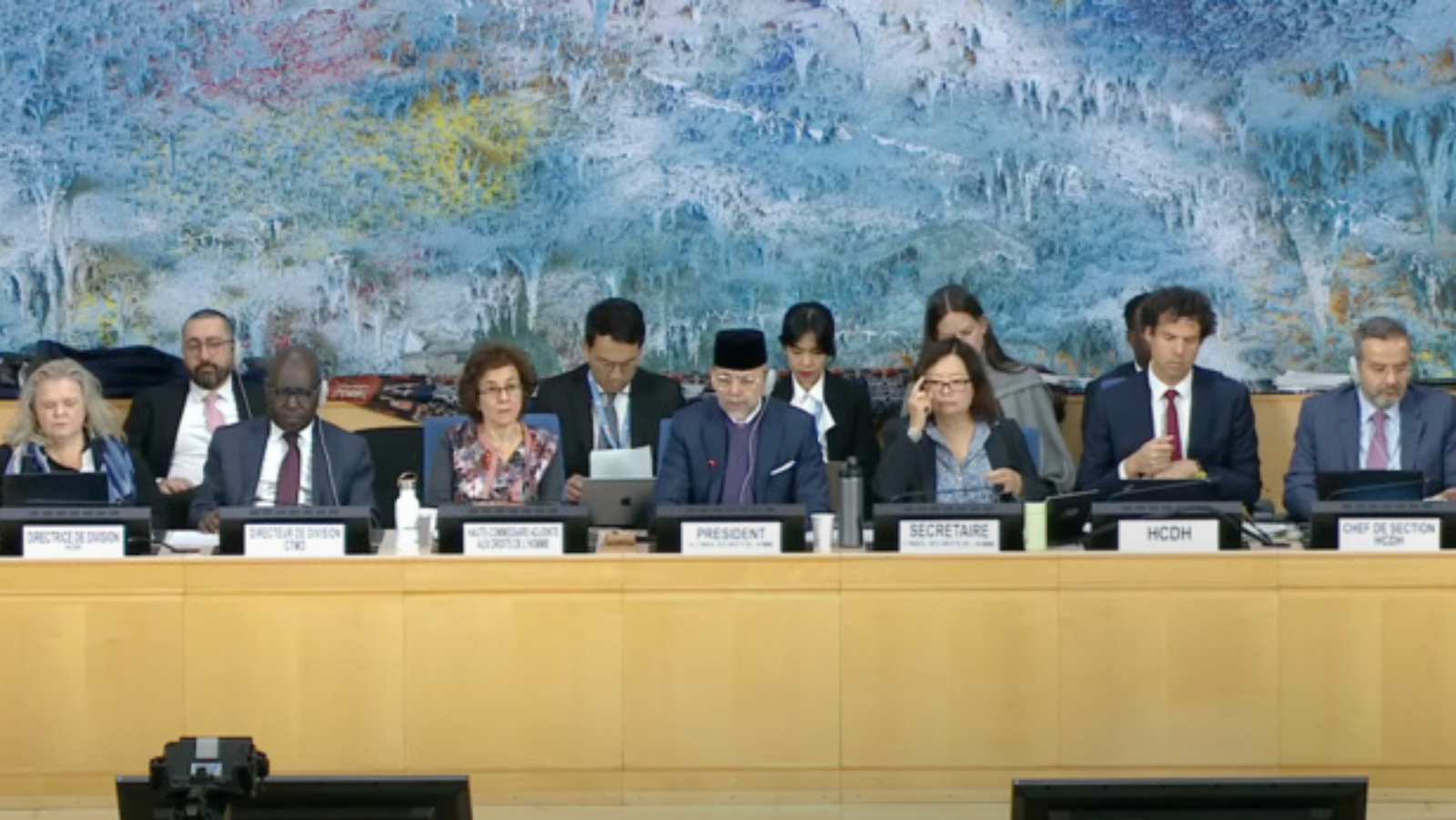
At the 50th session of the Facilitation Committee of the International Maritime Organization (IMO), Saudi Arabia highlighted the rising threats to maritime navigation safety and the well-being of seafarers. With escalating geopolitical challenges, the Kingdom has reaffirmed its commitment to global maritime security and called for enhanced international cooperation to mitigate these risks.
Rising Threats in the Strait of Hormuz and the Wider Region
The Strait of Hormuz is not only a crucial passage for global oil shipments but also a strategic point for maritime safety. Saudi Arabia’s support for maritime safety is particularly significant given the rising tensions in the region. Iran’s threats against oil tankers from countries aligned with the U.S. and Israel have created insecurity for vessels passing through this narrow waterway. As the conflict between Iran and the U.S. continues, the safety of seafarers and the protection of shipping lanes are at the forefront of international concerns.
Saudi Arabia, recognizing the critical importance of maintaining safe and secure passage through the Strait of Hormuz, has consistently advocated for measures to strengthen maritime safety protocols. The Kingdom has also emphasized its role in upholding international laws that protect vessels from unlawful attacks and interference.
Saudi Arabia’s Role in Supporting Maritime Operations
In response to the growing security concerns in the Gulf region, Saudi Arabia has stepped up its efforts to ensure the continuity of maritime operations. The Kingdom has taken proactive measures to support affected vessels by offering essential services such as fuel supplies, provisions, and facilitating crew changes. These services, coordinated by the Saudi Ports Authority, have assisted numerous ships operating in the region amidst the rising threats to shipping safety.
Over the past 72 hours, Saudi Arabia has extended its logistical support to various vessels, demonstrating its commitment to ensuring that maritime operations continue without disruption. The Kingdom’s proactive stance reflects its role as a major player in facilitating the free flow of global trade and maintaining stability in the region.
International Cooperation and Support for Seafarers
One of the critical elements of Saudi Arabia’s commitment to maritime safety is its ongoing collaboration with international partners. The Kingdom has emphasized the importance of enhanced coordination among global stakeholders to safeguard seafarers and ensure the security of global shipping lanes. Saudi Arabia has pledged to support international initiatives aimed at addressing the risks posed by regional instability and ensuring that seafarers can operate safely in these high-risk areas.
The Kingdom also expressed its unwavering support for the International Maritime Organization’s proposals, which seek to strengthen navigational safety and protect seafarers’ rights. These proposals, which have garnered support from other international maritime organizations, aim to address the rising threats in the region while providing a framework for ensuring the long-term safety of global shipping routes.
Saudi Arabia’s Support for International Declarations and Resolutions
At the IMO session, Saudi Arabia affirmed its support for an international declaration condemning attacks on maritime transport that violate international law. The Kingdom stressed that such attacks not only threaten the safety of vessels but also undermine the security of global trade and supply chains. Saudi Arabia has consistently backed initiatives aimed at upholding the principles of international law, particularly in maritime disputes.
In addition, Saudi Arabia has expressed its concern over the economic and security implications of these rising threats. The Kingdom highlighted the potential long-term impact of continued instability in the region on global supply chains, which rely heavily on secure shipping routes for the transport of goods, including oil, gas, and consumer products.
Logistical Support and Waivers for Shipping Operations
In a bid to ensure the continuity of maritime operations, Saudi Arabia has introduced several measures to alleviate the challenges faced by vessels operating in the Arabian Gulf. One such initiative includes the Transport General Authority’s 30-day renewable waiver for key shipping and licensing requirements. This waiver ensures that vessels operating in the region are not burdened by bureaucratic hurdles, allowing them to focus on maintaining safe and efficient operations.
By facilitating maritime trade and transportation, Saudi Arabia plays a pivotal role in ensuring that the region’s strategic importance is maintained while addressing the challenges posed by regional instability. The Kingdom’s proactive efforts have provided much-needed support to shipping companies and seafarers, reinforcing its commitment to safe, efficient, and environmentally conscious maritime operations.
Enhancing Saudi Arabia’s Maritime Infrastructure
Saudi Arabia’s maritime infrastructure has been integral in facilitating regional and global trade. The Kingdom’s strategic location allows it to serve as a hub for shipping and logistics operations, providing an essential link between the East and the West. Saudi ports, particularly those along the Red Sea, have been instrumental in supporting global trade routes and ensuring the seamless movement of goods across continents.
Through initiatives launched by the Saudi Ports Authority, the Kingdom has enhanced support for vessels operating in the Gulf region. These initiatives include improving logistical services, offering fuel and supplies, and ensuring that crew changes are conducted smoothly, especially for ships affected by regional instability.
The Importance of Seafarer Protection in Times of Crisis
In addition to its focus on maritime safety, Saudi Arabia has consistently emphasized the importance of protecting seafarers during times of crisis. The Kingdom has expressed its support for measures that ensure seafarers are not placed at risk and that their safety and well-being are prioritized. Saudi Arabia’s actions reflect its broader commitment to upholding international standards of labor and human rights, ensuring that those who work at sea are protected from harm.
Saudi Arabia’s leadership in promoting seafarer protection aligns with its broader foreign policy goals of supporting peace and stability in the region. By advocating for the safety of seafarers and the security of global shipping routes, the Kingdom has positioned itself as a leader in maritime diplomacy.
Conclusion: Saudi Arabia’s Commitment to Maritime Security
As regional tensions continue to escalate, Saudi Arabia remains steadfast in its commitment to ensuring maritime security and the protection of seafarers. Through proactive support for affected vessels, collaboration with international partners, and advocacy for international maritime safety measures, the Kingdom plays a crucial role in maintaining the stability of global trade routes.
Saudi Arabia’s efforts highlight the importance of international cooperation in addressing the challenges posed by regional instability. As the situation in the Arabian Gulf continues to evolve, Saudi Arabia’s leadership in maritime security will remain critical to ensuring the safe passage of vessels and the uninterrupted flow of goods across the globe.