
Saudi Air Defenses Intercept Drones at Shaybah
Saudi air defenses intercept drones at Shaybah as missiles target Prince Sultan Air Base and multiple aerial threats are destroyed
Saudi Arabia’s air defense systems successfully intercepted a new wave of aerial attacks targeting the Kingdom’s strategic energy infrastructure early Saturday. Defense officials confirmed that multiple drones heading toward the Aramco Shaybah oil field were detected and destroyed before reaching their target.
According to the Ministry of Defense, a total of sixteen drones attempted to strike the Shaybah field in several coordinated waves. Saudi air defenses intercepted and destroyed all of them over the Empty Quarter desert before they could cause damage to the facility.
Military spokesman Major General Turki Al-Maliki stated that the drones were approaching the vital oil field from different directions. Defense systems tracked the incoming aerial threats and neutralized them one by one during four separate attack waves.
In addition to the drone interceptions near Shaybah, Saudi defense forces also reported stopping missile threats targeting Prince Sultan Air Base in Al-Kharj. Officials confirmed that both a ballistic missile and a cruise missile heading toward the air base were successfully intercepted and destroyed.
Another drone threat was also neutralized east of Riyadh, highlighting the continued aerial pressure facing the Kingdom’s air defense network.
The attempted strike on Prince Sultan Air Base marked the third consecutive day that missiles were launched toward the military facility. Al-Kharj, located around 80 kilometers southeast of Riyadh, is an important industrial and military area that hosts key defense installations.
The attempted attack on the Shaybah oil field represents the first strike targeting the facility since the beginning of the current regional conflict that erupted on February 28. Since that date, tensions across the Gulf have intensified following a series of military operations and retaliatory attacks.
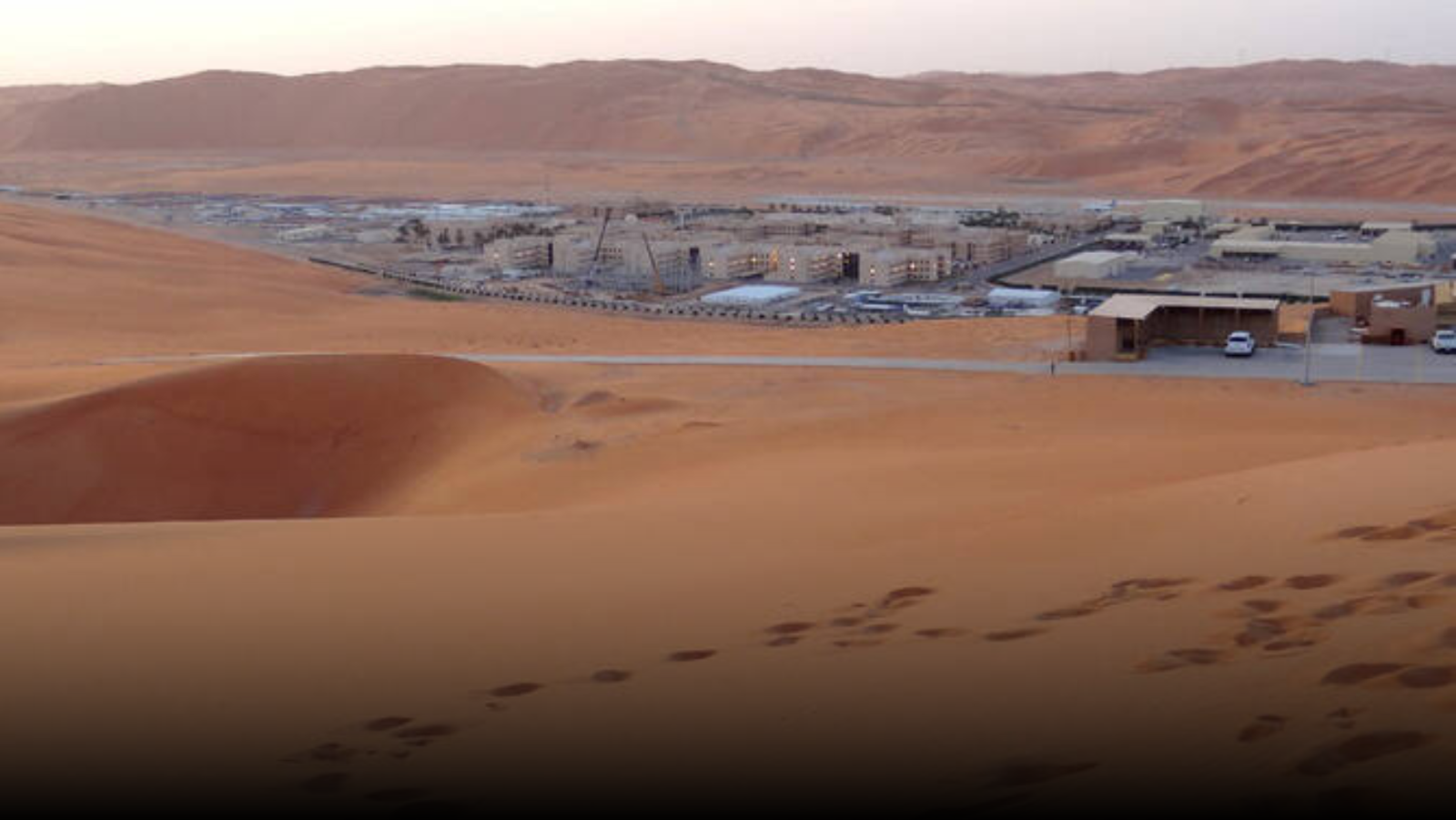
Shaybah is located deep inside the Rub’ al-Khali desert, commonly known as the Empty Quarter. The oil field is one of Saudi Arabia’s most significant energy assets and is considered a “super-giant” field due to its massive reserves.
Beyond oil production, Shaybah also plays a critical role in Saudi Arabia’s natural gas strategy. The field includes advanced facilities that process natural gas liquids used in the Kingdom’s petrochemical industry, making it a vital component of the national energy sector.
The recent wave of attacks reflects a broader surge in aerial threats across the Gulf region. In the past 24 hours alone, multiple countries have reported intercepting drones and missiles targeting infrastructure and strategic sites.
Regional defense systems have been heavily engaged in tracking and destroying incoming projectiles as tensions continue to escalate. Several Gulf states have activated advanced missile defense networks to protect key cities, energy facilities, and military bases.
Earlier this week, Saudi air defenses also intercepted several missiles and drones targeting areas near Riyadh and the Eastern Province. Defense officials reported that five missiles heading toward Prince Sultan Air Base were shot down, while several drones were destroyed in different regions of the country.
Other attempted strikes included drone threats near the Ras Tanura refinery in the Eastern Province, one of Saudi Arabia’s major oil processing facilities. Air defense systems intercepted the drone before it could reach the refinery.
The continuing aerial attacks have drawn strong reactions from regional organizations. The Gulf Cooperation Council, the Arab League, and the Organization of Islamic Cooperation have all condemned the strikes and reaffirmed the right of member states to defend their territories.
During an emergency ministerial meeting held in Riyadh earlier this month, Gulf leaders described the attacks as aggression threatening regional stability. The meeting emphasized the importance of collective security and coordinated defense responses among member states.
Saudi Arabia’s leadership has also reaffirmed its determination to protect national security. During a recent Cabinet meeting chaired by Crown Prince Mohammed bin Salman, officials stated that the Kingdom reserves the full right to respond to any threats against its territory.
The Cabinet also emphasized that Saudi authorities will continue taking all necessary measures to safeguard citizens, residents, and critical infrastructure from ongoing aerial threats.
As tensions remain high across the region, Saudi air defense systems continue to operate at maximum readiness. Military officials say the successful interception of drones and missiles demonstrates the Kingdom’s capability to defend its strategic energy facilities and military bases.
With regional security still fragile, defense forces across the Gulf remain on high alert while monitoring developments and preparing to respond to any further attacks.