

Polls close in Thailand election as reformists face conservative challenge
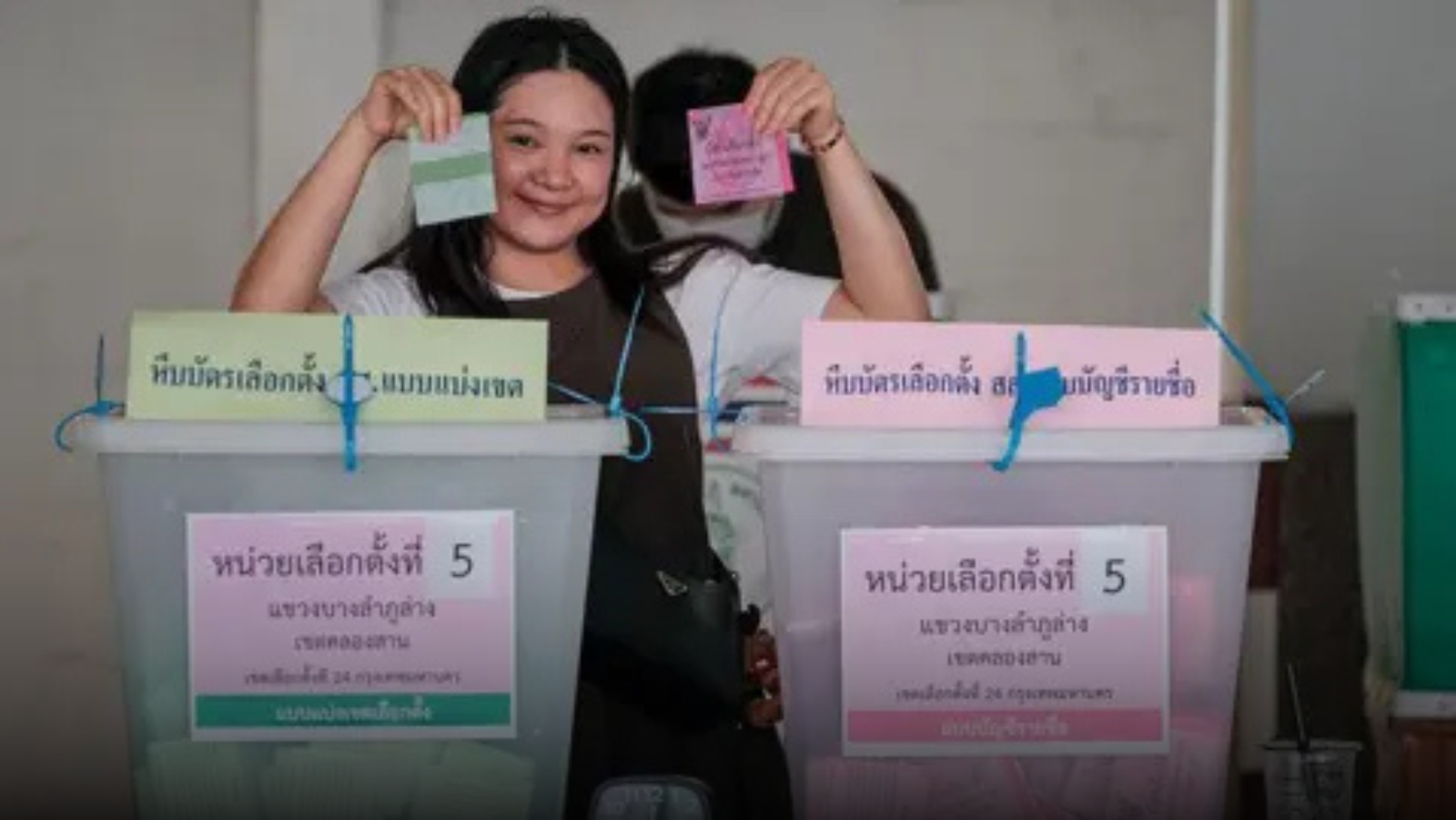
Polling stations have closed across Thailand following an early general election triggered by the collapse of successive coalition governments, a period that has seen the country cycle through three prime ministers in as many years.
The Thailand election once again set reformist forces against a conservative establishment, with voters choosing between the People’s Party, which has called for sweeping political and economic reforms, and conservative blocs led by Prime Minister Anutin Charnavirakul. Initial results are expected later in the evening, though no party is projected to secure an outright parliamentary majority.
The vote echoes the political standoff of the previous election, when reformist candidates topped the polls but were prevented from forming a government after intervention by unelected institutions. Since then, courts and other powerful bodies have continued to play a decisive role in shaping Thailand’s political landscape, frequently blocking parties seen as challenging the status quo.
The People’s Party entered the Thailand election leading opinion polls, despite facing structural obstacles and a history of judicial intervention. Earlier versions of the party were dissolved, and senior figures were barred from politics, underscoring the risks reformists face even after electoral success.
Prime Minister Anutin has positioned himself as the standard-bearer of conservative politics, expanding his Bhumjaithai party into a nationwide force. His campaign emphasised national stability, traditional institutions and patriotism, particularly following recent border tensions with Cambodia.
Another major contender is the Pheu Thai party, long associated with the influential Shinawatra family. While it previously dominated Thai elections with populist policies, its support has weakened following criticism of its handling of regional tensions and legal troubles involving its senior leadership. Like its rivals, the party has promised financial incentives aimed at easing pressure from rising living costs.
Economic concerns were central to voter sentiment in the Thailand election, as prolonged political instability has slowed growth and discouraged foreign investment. Many voters expressed anxiety about inflation, job security and the country’s competitiveness within Southeast Asia.
The reformists have pledged to curb the influence of powerful corporations and the military, overhaul the bureaucracy and modernise education. However, past elections have shown that winning at the ballot box does not guarantee the right to govern, particularly when reform agendas alarm conservative and royalist institutions.
Alongside the parliamentary vote, Thais also cast ballots in a referendum on whether to amend the 2017 constitution, drafted during military rule. Critics argue the charter entrenches the power of unelected bodies and limits democratic representation.
As counting begins, the outcome of the Thailand election is expected to determine whether the country moves toward structural change or continues under a system shaped by strong institutional intervention. The final results may also test how far unelected forces are willing to go to influence Thailand’s political future.