Pedro Sánchez Warns of Israel’s Lebanon Destruction Plan
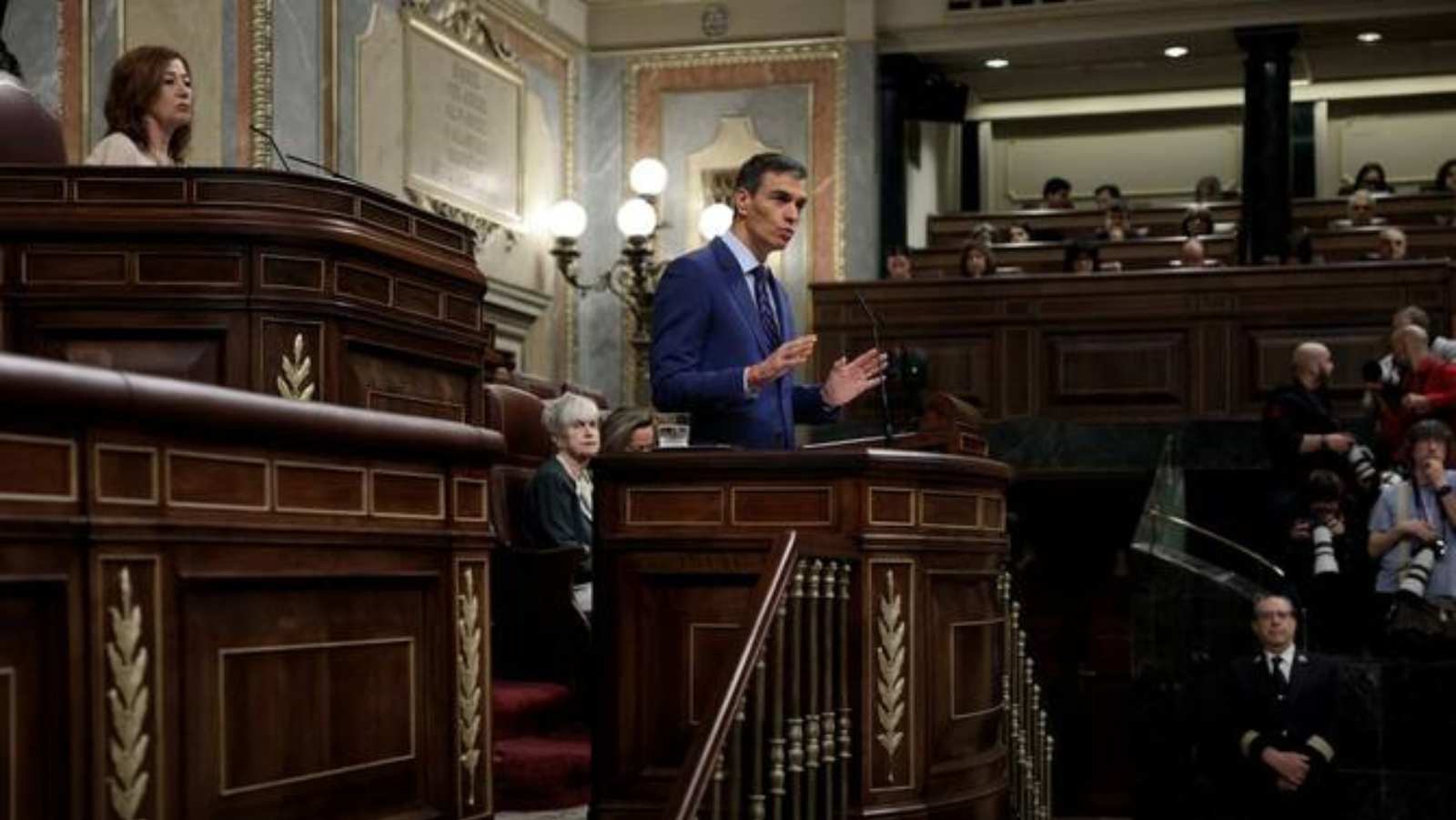
Spanish PM Pedro Sánchez Highlights Risks of Escalation in Lebanon
Spanish Prime Minister Pedro Sánchez addressed the Spanish parliament, delivering a stark warning about the growing Middle East conflict. Sánchez expressed grave concerns over Israel’s ongoing military actions and its potential future targets. In his speech, Sánchez stated that Israeli Prime Minister Benjamin Netanyahu “seeks to inflict the same level of damage and destruction” on Lebanon as Israeli forces had done in Gaza, referring to the catastrophic consequences of the ongoing Israeli military operations in Gaza.
During his remarks, Sánchez emphasized that the current situation in the Middle East posed a much more significant threat than previous conflicts, specifically pointing to the 2003 invasion of Iraq. He suggested that the war’s broader implications were far worse, not only for the region but for international relations, as it undermines efforts to meet economic, social, and environmental goals globally. He argued that the ongoing conflict was illegal and cruel, marking a departure from Spain’s longstanding commitment to international law and peace.
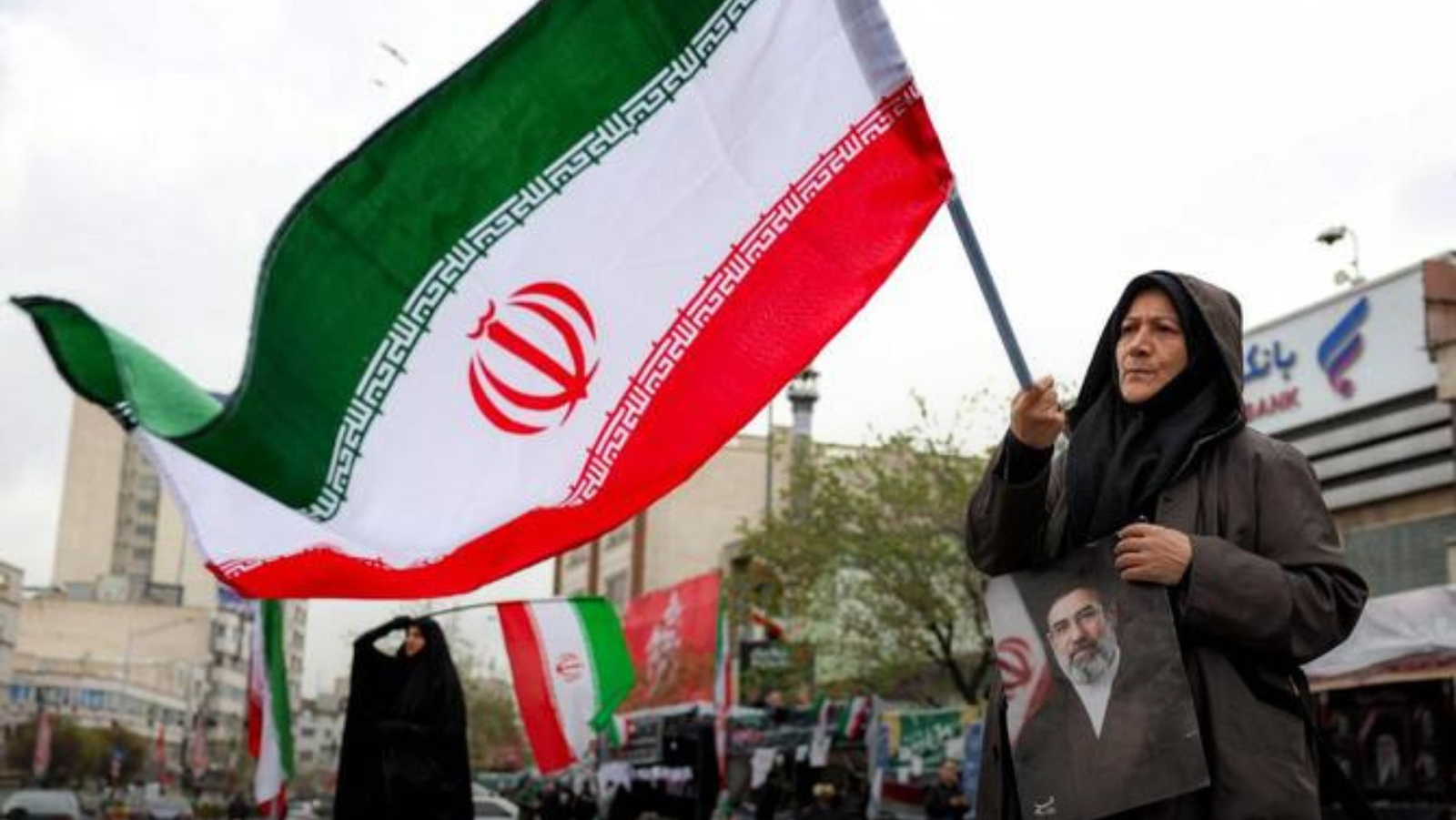
As the Spanish PM continued, he stressed the role of Iran in the Middle East war, particularly highlighting the rise of Iran’s new Supreme Leader, Mojtaba Khamenei. Sánchez described Khamenei as an even more authoritarian and ruthless leader than his father, deepening concerns over regional instability.
Sánchez’s remarks came in the context of the government’s position on the US-Israeli alliance, particularly in regard to their joint involvement in Middle East affairs. Spain has increasingly found itself at odds with policies that it views as exacerbating conflict rather than fostering diplomatic resolutions. Sánchez also warned that the current Middle East crisis had already surpassed the Iraq conflict in terms of potential global ramifications.
Escalating Tensions and Global Repercussions
While the war in Gaza has already led to massive civilian casualties and infrastructure damage, Sánchez warned that the situation in Lebanon could worsen, with Israel’s plans potentially mirroring the devastation experienced in Gaza. The government in Spain has consistently called for an end to military escalation and advocated for a peaceful resolution. Sánchez noted that the human cost of the conflict should be weighed against any political or military goals, emphasizing that the human suffering was inexcusable.
The Prime Minister also called on international organizations to take stronger action, reminding lawmakers that Spain’s foreign policy must prioritize humanitarian aid, conflict resolution, and support for civilians caught in the crossfire. He condemned the ongoing military actions that were pushing the region closer to an all-out regional war, stressing that diplomatic engagement should be the foremost approach to prevent further damage.
Spain’s Response to the Growing Crisis
Spain has already taken steps to address the fallout of the Middle East conflict, both in terms of its foreign policy and domestic policy. The Spanish government has committed significant resources to assisting refugees and providing humanitarian aid to those displaced by the violence. Sánchez reiterated that Spain’s role in the global community was not to perpetuate conflict but to lead efforts toward peace and diplomatic negotiations.
Sánchez’s statements have sparked a broader debate on Spain’s foreign policy, with many calling for a more assertive stance in international diplomacy and peacebuilding efforts. His government has faced increasing pressure to distance itself from conflicts that fail to prioritize human rights and international law.
As the conflict continues to escalate, Sánchez’s call for peace and his critique of Israel’s actions reflect Spain’s commitment to peace, stability, and the protection of innocent lives in the Middle East. Spain’s position, according to Sánchez, is rooted in the belief that no nation should resort to violence as a means of achieving political goals, particularly when the toll on innocent civilians is so high.
For news readers, the key point is that these remarks were not only about Gaza or Lebanon in isolation. They were part of a broader Spanish effort to define the current Middle East war as a turning point. Sánchez warned lawmakers that the world was facing something deeper than a repeat of earlier regional crises. He portrayed the conflict as one that could damage diplomacy, worsen humanitarian suffering, and force European governments to divert attention and resources away from social and economic priorities. That is why his comments on Lebanon landed so strongly: they tied today’s battlefield destruction to tomorrow’s political and economic consequences.
Whether one agrees with Sánchez or not, his intervention matters because it signals that Spain is doubling down on public opposition to the war while also preparing for the fallout at home. The government is pairing sharp language in parliament with state action through emergency decrees and economic shields. At the same time, UN officials continue to warn about civilian displacement, damage to infrastructure, and the risk of even wider escalation across the region. That combination of rhetoric, policy, and international concern is why his remarks are likely to stay in the headlines.
In practical terms, Sánchez’s message was this: the war is not distant, the damage is not limited, and Lebanon could become the next symbol of unchecked regional destruction. By putting Gaza and Lebanon in the same frame, he tried to force a political choice on Europe and on Spain’s own parliament — either defend international law in a consistent way, or accept a future shaped by selective outrage and permanent instability. For now, Spain is trying to place itself firmly on the first side of that line.
For more on the latest developments in the Middle East, you can visit our Middle East Updates and Analysis page.