
Oil Prices Fall After Iraq Kurdistan Export Deal
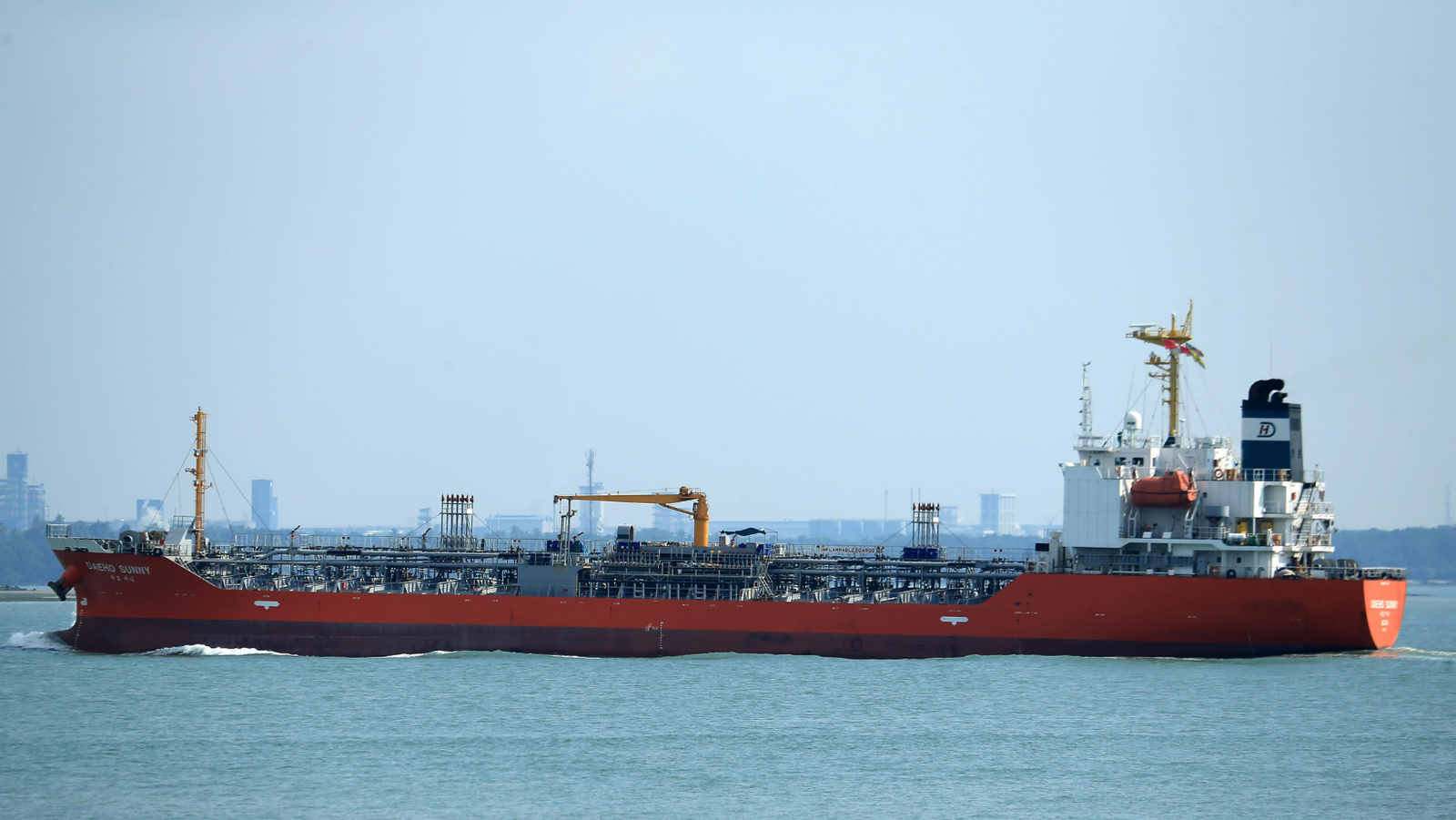
Oil prices fall after Iraq Kurdistan export deal improves supply outlook while Middle East tensions continue to create uncertainty in global oil markets
BEIJING/SINGAPORE: Oil prices moved lower on Wednesday as fresh developments from Iraq signaled a potential increase in crude supply, bringing some relief to global markets that have been under pressure for weeks. The decline followed an agreement between Iraq’s federal authorities and the Kurdistan region to restart oil exports, a step that could ease tight supply conditions.
The news triggered a drop in major oil benchmarks, with both Brent crude and US West Texas Intermediate (WTI) posting losses after recent gains. Despite the pullback, prices remain elevated compared to earlier months, reflecting ongoing geopolitical concerns and supply risks linked to the broader Middle East crisis.
Export deal brings cautious optimism to markets
The agreement between Baghdad and Kurdish officials is centered on resuming oil shipments through Türkiye’s Ceyhan port, a strategic outlet for northern Iraqi crude. This route has faced disruptions in the past, limiting the country’s ability to fully utilize its export capacity.
Market participants see the deal as a constructive development, even if initial volumes are expected to be limited. In a market where every additional barrel counts, the restart of exports is viewed as a positive signal.
Analysts say that while the immediate impact on global supply may not be large, the psychological effect on traders is significant. The possibility of increased flows helps reduce fears of prolonged shortages.
“Any clarity on supply tends to calm the market, even if the volumes are not substantial at the beginning,” a market strategist noted.
Middle East crisis continues to shape oil trends
While the export agreement has influenced short-term price movements, the broader geopolitical environment remains the dominant factor affecting oil markets. Tensions across the Middle East continue to disrupt normal production and transportation patterns.
One of the most critical concerns is the safety of key shipping lanes. The Strait of Hormuz, a vital passage for global oil shipments, remains under close watch due to ongoing security risks. Any disruption in this area could significantly impact supply chains and drive prices higher.
Recent developments have also added to uncertainty, with increased military activity raising concerns among traders. These risks have prevented oil prices from falling sharply, even as supply-related news provides temporary relief.
Iraq aims to rebuild export momentum
Iraq has been working to strengthen its position in the global oil market by restoring stable export flows. The new agreement with the Kurdistan region represents an effort to overcome internal challenges and improve coordination.
Officials have indicated that exports through the northern route could resume gradually, with initial volumes expected to be modest. Over time, these volumes could increase if infrastructure and security conditions remain stable.
At the same time, Iraq’s southern oilfields continue to play a crucial role in overall production. However, these areas have also faced operational challenges in recent weeks, highlighting the complexity of maintaining consistent output.
Energy experts believe that sustained progress in both northern and southern operations will be essential for Iraq to meet its production targets.
Global supply and demand dynamics remain mixed
The global oil market is currently navigating a mix of competing factors. On one hand, the potential increase in Iraqi exports is adding to supply expectations. On the other hand, geopolitical risks continue to create uncertainty about future availability.
In addition, recent data from the United States has shown a rise in crude inventories, suggesting that supply may be outpacing demand in certain areas. Consequently, crude oil prices experienced some easing.
However, analysts caution that inventory trends can change quickly, especially in a volatile environment influenced by political developments.
“The market is reacting to both real and perceived risks,” an analyst explained. “Supply increases can lower prices temporarily, but geopolitical uncertainty keeps the overall outlook unpredictable.”
Traders navigate a volatile environment
Oil traders are currently operating in a highly dynamic environment, where prices can shift rapidly based on new information. The combination of supply updates, political developments, and economic indicators is creating frequent fluctuations.
Short-term price declines, such as the one seen after the Iraq-Kurdistan deal, are often followed by periods of stabilization or even recovery, depending on how the broader situation evolves.
Many traders are adopting a cautious approach, avoiding aggressive positions until there is greater clarity on key issues affecting the market.
Volatility is expected to remain a key feature in the near term, with prices responding to both positive and negative developments.
Future outlook tied to regional stability
Looking ahead, the direction of oil prices will largely depend on the trajectory of events in the Middle East. A sustained improvement in security conditions could support increased production and more stable supply flows.
Conversely, any escalation in tensions or disruption to major shipping routes could quickly reverse recent price declines and push markets higher again.
The Iraq-Kurdistan export agreement highlights how even incremental changes in supply can influence global prices. However, long-term stability will require broader progress in reducing geopolitical risks.
For now, the market remains sensitive to every development, with traders closely monitoring both supply trends and political signals.
As global energy markets continue to adjust, oil prices are likely to remain influenced by a delicate balance between improving supply prospects and ongoing regional uncertainty.