
Oil Plunges as Trump Postpones Military Strikes Against Iranian Energy Infrastructure
Oil Plunges as Trump Postpones Military Strikes Against Iranian Energy Infrastructure Explained
Global oil prices dropped sharply on March 23, 2026, after U.S. President Donald Trump confirmed a temporary pause in planned military action targeting Iran’s energy facilities. The announcement introduced a five-day delay at a time when tensions across the Middle East were already running high. Energy installations and major shipping routes in the region had been facing increasing uncertainty, which made the situation particularly sensitive for global markets. The announcement triggered a rapid reaction in oil markets, with prices falling significantly as traders reassessed the likelihood of immediate supply disruptions. The move signaled a possible pause in escalation, offering short-term relief to global energy markets that had been under pressure from fears of a wider regional conflict.
Sharp Drop in Oil Prices Following U.S. Decision
Oil prices fell dramatically in response to the announcement, reflecting the market’s sensitivity to geopolitical developments. Brent crude dropped by more than 12 percent shortly after the news broke, briefly hovering around the $100 per barrel mark. Similarly, U.S. benchmark crude also recorded a substantial decline, falling by more than 10 percent. The sudden drop highlighted how closely energy markets are tied to political decisions, especially when they involve major oil-producing regions. Traders had previously priced in the risk of supply disruptions due to potential military action against Iranian energy facilities. The postponement reduced immediate concerns, leading to a sell-off in oil futures and a temporary stabilization in market sentiment.
Middle East Tensions and Threats to Energy Infrastructure
The broader context of the crisis lies in escalating tensions between the United States and Iran, with both sides issuing strong warnings regarding energy infrastructure. Iran had indicated that any attack on its power plants or energy systems would trigger retaliation, potentially targeting facilities across the Gulf region. This raised fears of a wider conflict that could disrupt energy production and transportation on a massive scale. The situation has been further complicated by threats to key infrastructure, including power plants and oil facilities, which are essential for maintaining energy supply both regionally and globally. These developments have created an environment of uncertainty, where even the possibility of military action can significantly influence market behavior.
Significance of the Strait of Hormuz for International Oil Trade
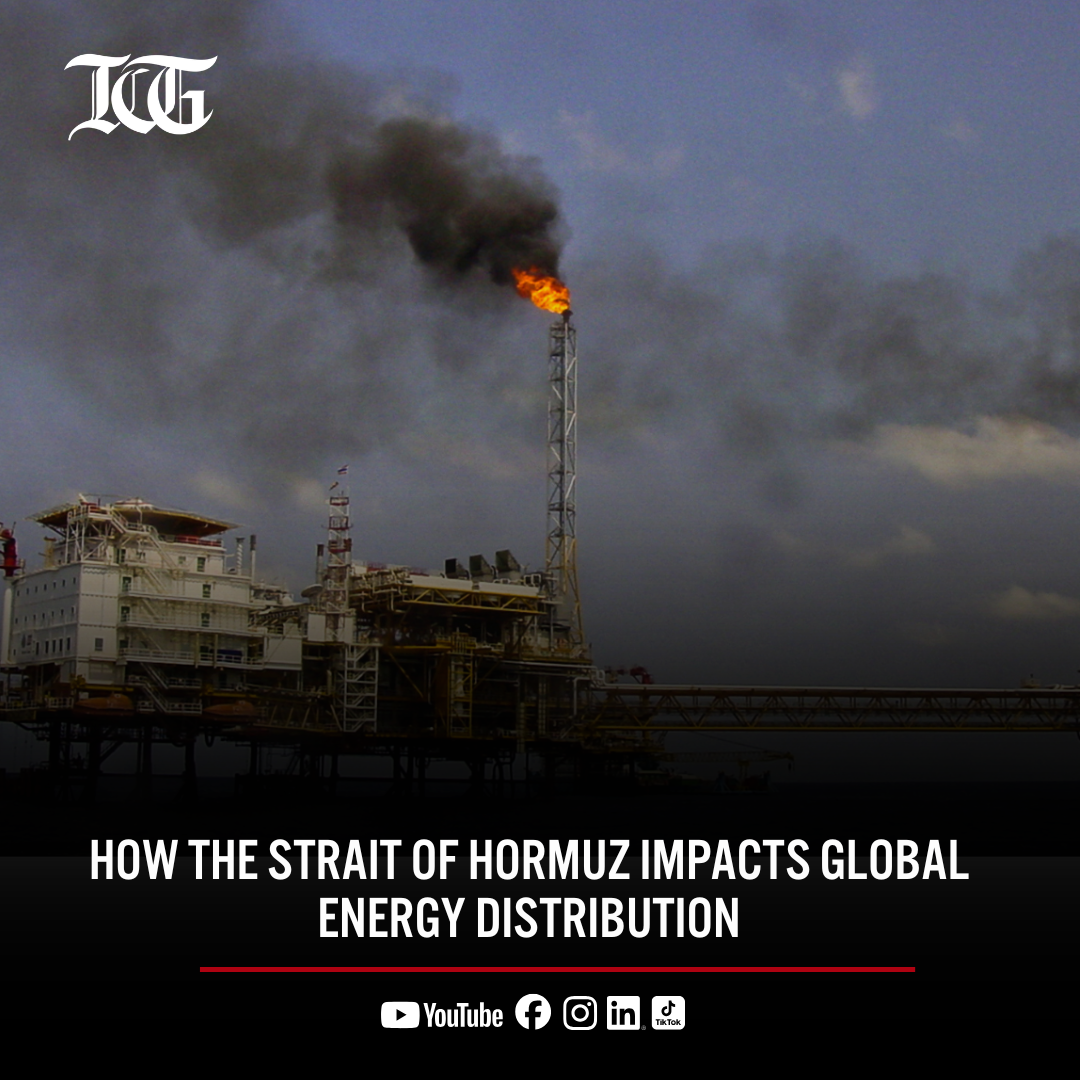
One of the most critical elements in the ongoing crisis is the Strait of Hormuz, a vital maritime corridor through which a large portion of the world’s oil and liquefied natural gas passes. Any disruption in this narrow passage can have immediate and far-reaching consequences for global energy supply. The ongoing tensions have already impacted shipping activity in the region, raising concerns about the flow of oil and gas to international markets. Estimates suggest that a significant portion of daily global energy shipments passes through this route, making it one of the most strategically important waterways in the world. The temporary postponement of military action has eased immediate fears of a complete shutdown, but the risk remains as long as tensions persist.
Impact on Energy Production and Regional Output
The conflict has already taken a toll on energy production in the Middle East. Several facilities have reported reduced output due to operational disruptions and security concerns. In some areas, oil production has dropped sharply, affecting both domestic supply and international exports. Analysts estimate that millions of barrels per day could be at risk if the situation escalates further. Reduced production not only impacts regional economies but also places additional strain on global supply chains. The decline in output has been a key factor driving volatility in oil prices, with markets reacting quickly to any changes in production levels or geopolitical developments.
Market Reactions and Economic Implications
The sudden drop in oil prices following the U.S. announcement reflects broader economic implications. Lower oil prices can provide short-term relief for consumers and industries that rely heavily on energy, but they also signal underlying uncertainty in the market. Investors are closely monitoring the situation, as prolonged instability could lead to further fluctuations. The energy sector plays a crucial role in the global economy, and any disruption can have ripple effects across multiple industries, including transportation, manufacturing, and trade. While the postponement has temporarily calmed markets, analysts caution that the situation remains highly volatile and subject to rapid changes.
Diplomatic Signals and Possibility of De-escalation
The decision to postpone military strikes may also indicate a shift toward diplomatic engagement. By delaying action, the United States has created a window for discussions that could potentially reduce tensions. Observers suggest that this move reflects a strategic attempt to balance military readiness with the opportunity for negotiation. However, uncertainty remains regarding the outcome of these discussions and whether they will lead to a lasting resolution. Both sides continue to maintain strong positions, and the risk of renewed escalation cannot be ruled out. The coming days will be critical in determining whether the pause leads to meaningful progress or simply delays further conflict.
Future Outlook for Oil Markets and Global Stability
Looking ahead, the direction of oil markets will largely depend on developments in the Middle East. If tensions ease and diplomatic efforts succeed, prices may stabilize further, providing relief to global markets. On the other hand, any escalation or breakdown in negotiations could reverse the current trend, leading to another surge in oil prices. The situation highlights the delicate balance between geopolitical stability and economic performance. Energy markets will continue to respond rapidly to new information, reflecting the high level of uncertainty surrounding the crisis. Governments and industry leaders are closely watching developments, preparing for a range of possible outcomes.
Conclusion: A Temporary Pause with Lasting Implications
The sharp decline in oil prices following the announcement that Trump postpones military strikes against Iranian energy infrastructure underscores the deep connection between geopolitics and global energy markets. The decision has provided temporary relief, reducing immediate fears of supply disruption and offering a brief opportunity for diplomatic engagement. However, the underlying tensions remain unresolved, and the situation continues to pose significant risks to regional and global stability. As markets adjust to the evolving landscape, the focus will remain on whether this pause leads to de-escalation or simply delays further confrontation. The coming days will play a crucial role in shaping the future of energy markets and international relations.