Norway Defence Chief Warns of Possible Russian Move to Safeguard Nuclear Assets
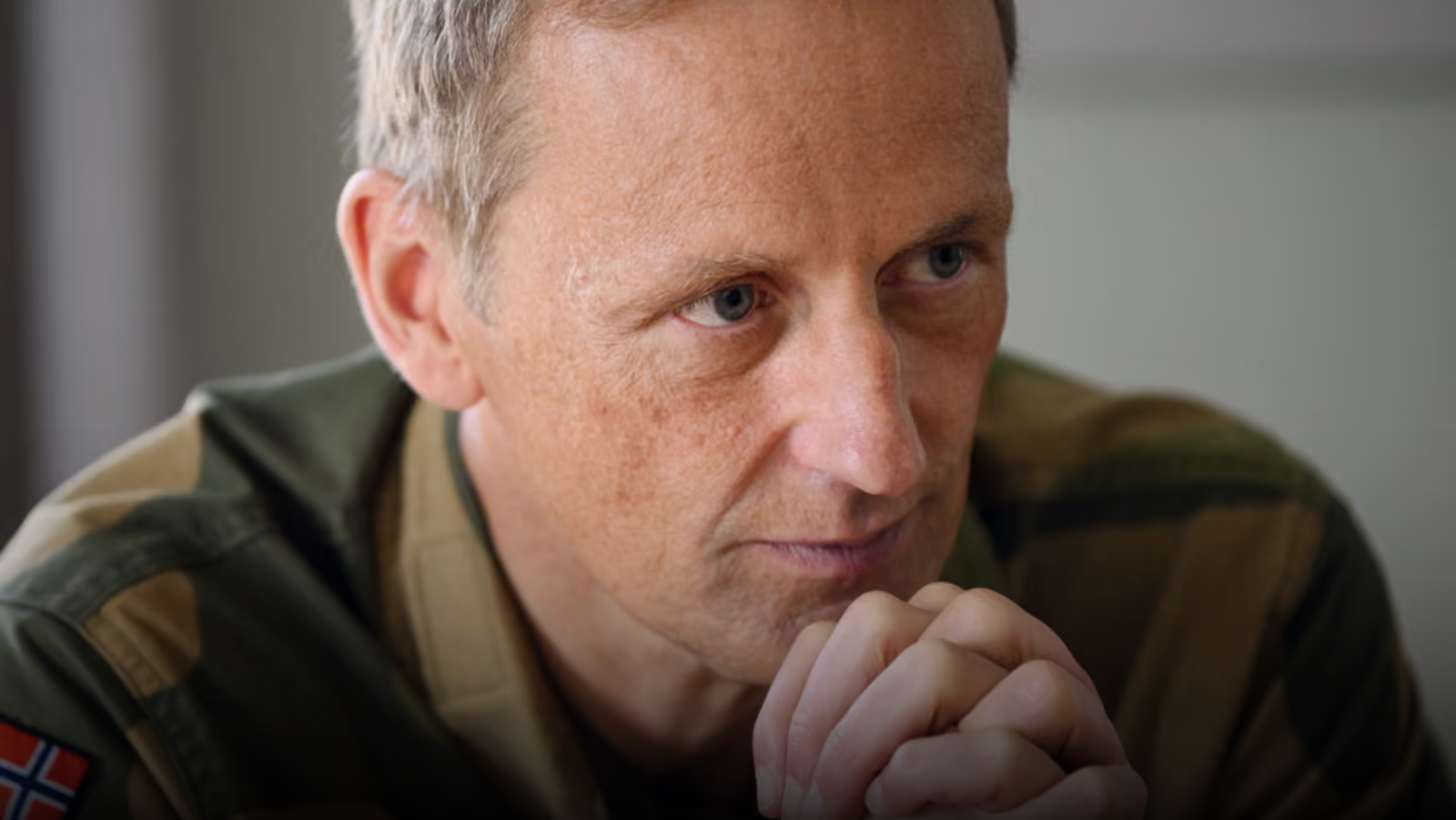
Norway’s top military officer has raised concerns about the potential for a Russian incursion, suggesting Moscow could act to protect its nuclear arsenal located near the Norwegian border.
General Eirik Kristoffersen, Norway’s chief of defence, said that while Russia does not appear to have territorial ambitions in Norway similar to its actions in Ukraine, it cannot be ruled out that Moscow might take military steps to secure its strategic nuclear assets stationed on the Kola Peninsula. This includes nuclear submarines, land-based missiles, and aircraft capable of delivering nuclear weapons—elements that form the core of Russia’s second-strike capabilities.
“We cannot dismiss the possibility of a Russian land grab aimed at safeguarding its nuclear forces. Protecting these assets remains a key consideration in our planning for the High North,” Kristoffersen told reporters.
Kristoffersen, a career army officer who served multiple tours in Afghanistan, also criticized former US President Donald Trump’s recent comments about allied troops in Afghanistan and Greenland. Trump had suggested that allied forces largely stayed away from frontlines, a claim Kristoffersen strongly rejected.
“All of us served on the frontline. We carried out the full range of operations, from arrests of Taliban leaders to training Afghan forces and conducting surveillance missions. We lost comrades, and the notion that allies avoided the fighting simply isn’t accurate,” he said.
Since becoming Norway’s chief of defence in 2020, Kristoffersen has overseen a period of significant strategic shifts, largely in response to Russia’s invasion of Ukraine. Norway has strengthened its northern border with Russia, while neighboring Sweden and Finland have joined NATO, reshaping the regional security landscape.
While Norway remains vigilant against traditional military threats, Kristoffersen emphasized that Russian operations today are more likely to involve hybrid tactics, such as sabotage or electronic interference. He noted ongoing cooperation with Russia in areas such as search and rescue missions in the Barents Sea, and suggested establishing a direct military hotline between Oslo and Moscow to prevent accidental escalation.
Kristoffersen also addressed Russian activity around Norway’s Svalbard archipelago, where a Russian settlement exists under a 1920 treaty that forbids militarization. He stated that Norway has no intention of militarizing the region and that Moscow’s accusations of covert militarization are largely propaganda.
Regarding Greenland, Kristoffersen dismissed Trump’s claims of Russian and Chinese military designs on the island as unfounded. “Our intelligence shows no such activity in Greenland. Russian operations in the Arctic are focused on the Atlantic, not Greenland,” he said.
He concluded with a cautionary note on military occupations, reflecting on lessons from Ukraine: “Occupation might be easy at first, but maintaining it is extremely costly and difficult. History shows that expansionist powers often fail to sustain control if the local population resists.