
North Korea Could Get Along with US if Nuclear Status Recognised, Says Kim Jong Un
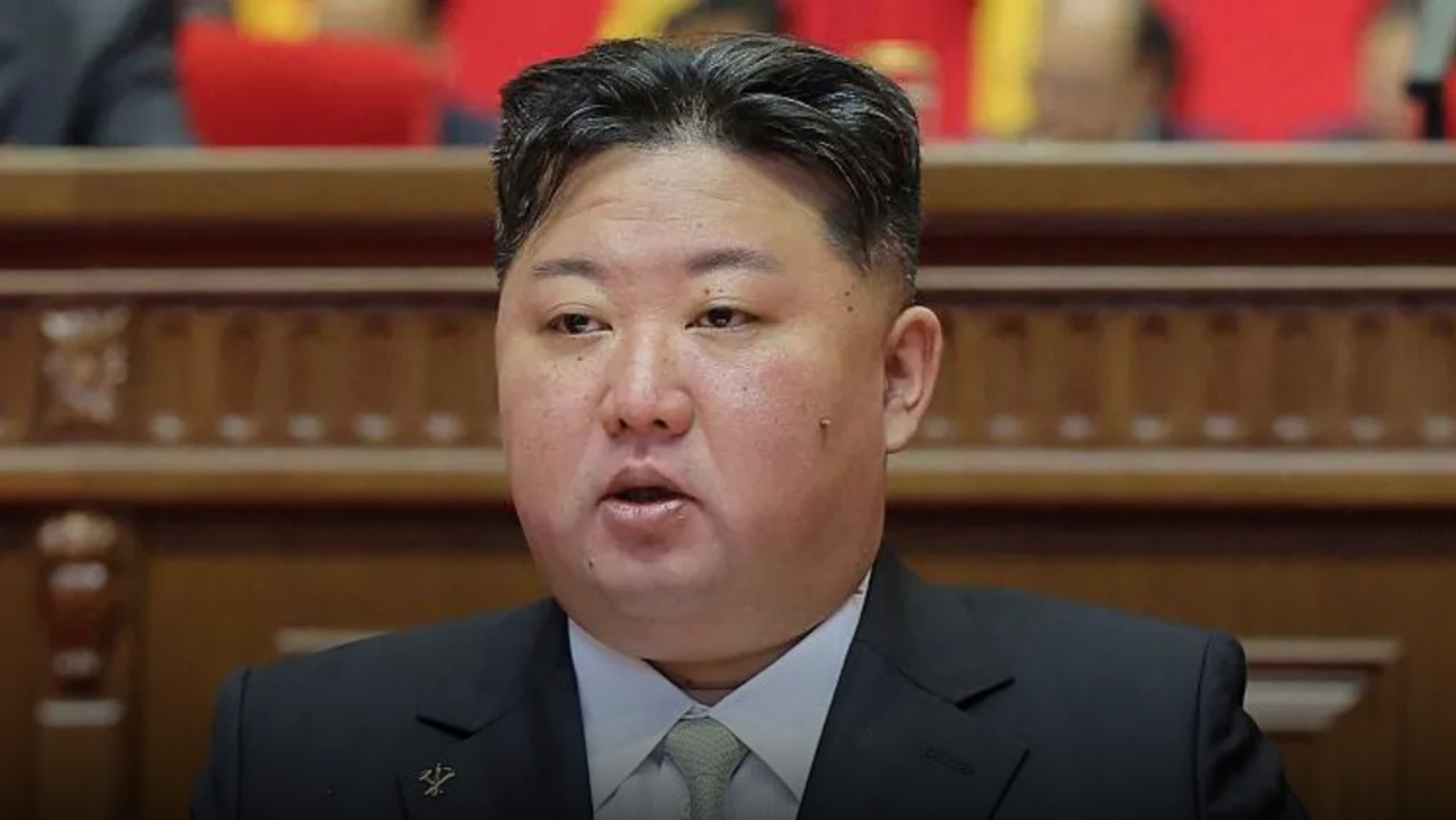
North Korea could get along with the United States if its nuclear status is recognised, leader Kim Jong Un has said, while reaffirming plans to expand the country’s nuclear arsenal and operational capabilities.
Speaking at the Ninth Congress of the Workers’ Party of Korea in Pyongyang, Kim delivered a rare direct message to Washington, indicating that improved relations were possible under specific conditions. He stated that if the United States respects North Korea’s current constitutional status as a nuclear state and abandons what he described as a hostile policy, there would be no reason the two countries could not coexist peacefully.
Kim added that the future of relations between Pyongyang and Washington depends entirely on the US approach. He said North Korea is prepared for either peaceful coexistence or continued confrontation, suggesting that the choice rests with the United States.
Despite leaving the door open for dialogue, Kim made it clear that denuclearisation is not under consideration. He pledged to increase the number of nuclear weapons and expand operational means, reinforcing his long-standing position that North Korea is now a permanent nuclear power.
The remarks come amid renewed speculation about possible diplomatic engagement between Pyongyang and US President Donald Trump. Analysts believe the comments could signal willingness for talks, particularly ahead of upcoming high-level diplomatic engagements in the region.
However, Kim adopted a sharply different tone toward South Korea, describing it as the North’s “most hostile entity”. He said Seoul would be permanently excluded from the category of compatriots, underscoring the continued deterioration of inter-Korean relations.
For decades, North Korea’s nuclear programme has been a source of international tension. The United States and its allies accuse Pyongyang of pursuing weapons capability that threatens regional and global security. North Korea insists its nuclear deterrent is necessary for self-defence.
Independent estimates suggest North Korea possesses dozens of assembled nuclear warheads and sufficient fissile material to produce more. However, the secretive nature of the regime makes it difficult to independently verify the full extent of its military advancements.
Kim has repeatedly declared that denuclearisation is no longer a viable concept for his country. In previous speeches, he described North Korea as a fully established nuclear state and dismissed expectations that it would abandon its weapons programme.
Observers say Kim’s latest comments reflect a dual strategy: maintaining a strong nuclear posture while signalling conditional openness to diplomacy with Washington. Whether this leads to renewed talks or deeper confrontation may depend on how both sides respond in the coming months.