
Mojtaba Khamenei Named Iran’s New Supreme Leader
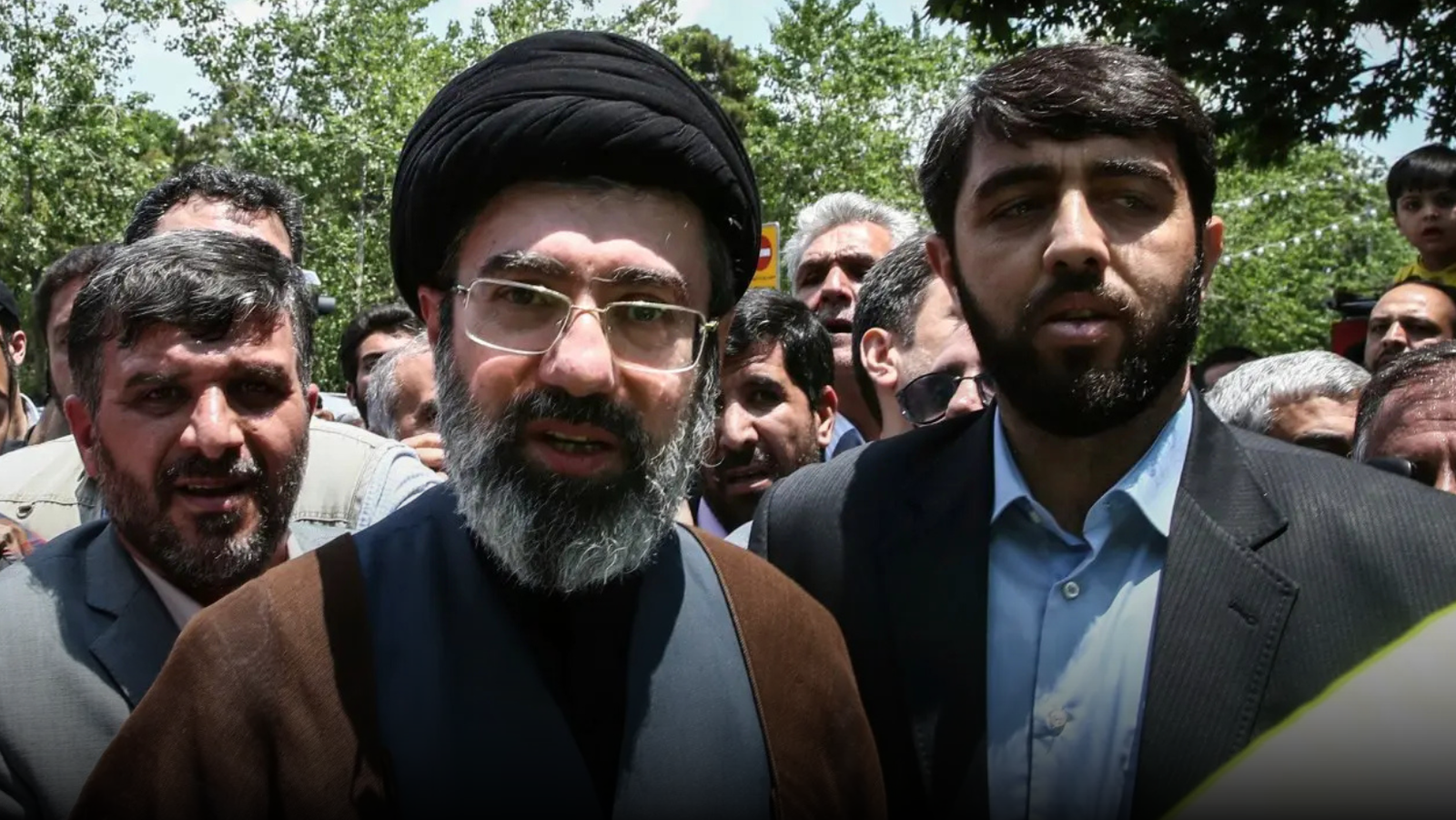
Mojtaba Khamenei named Iran’s new Supreme Leader after a decisive vote by Iran’s clerical leadership, marking a historic leadership transition that could reshape regional politics and intensify tensions with Western powers.
Iran has entered a new political chapter after the selection of Mojtaba Khamenei as the country’s Supreme Leader. The decision was announced by the clerical body responsible for choosing Iran’s highest authority, which confirmed that the 56-year-old cleric would succeed his father, Ali Khamenei.
Officials described the decision as the result of a “decisive vote” and called on the Iranian public to unite behind the new leadership during what they described as a sensitive and challenging period for the country.
In a formal statement, the assembly urged citizens, particularly intellectuals and scholars from universities and religious seminaries, to pledge loyalty to the new leadership and maintain national unity.
The development is significant because it marks the first time since Iran’s 1979 revolution that the country’s supreme leadership has effectively passed from father to son. Analysts say this transition could ignite debate inside Iran about whether the political system is gradually evolving toward a dynastic model of power.
International reactions have quickly followed the announcement.
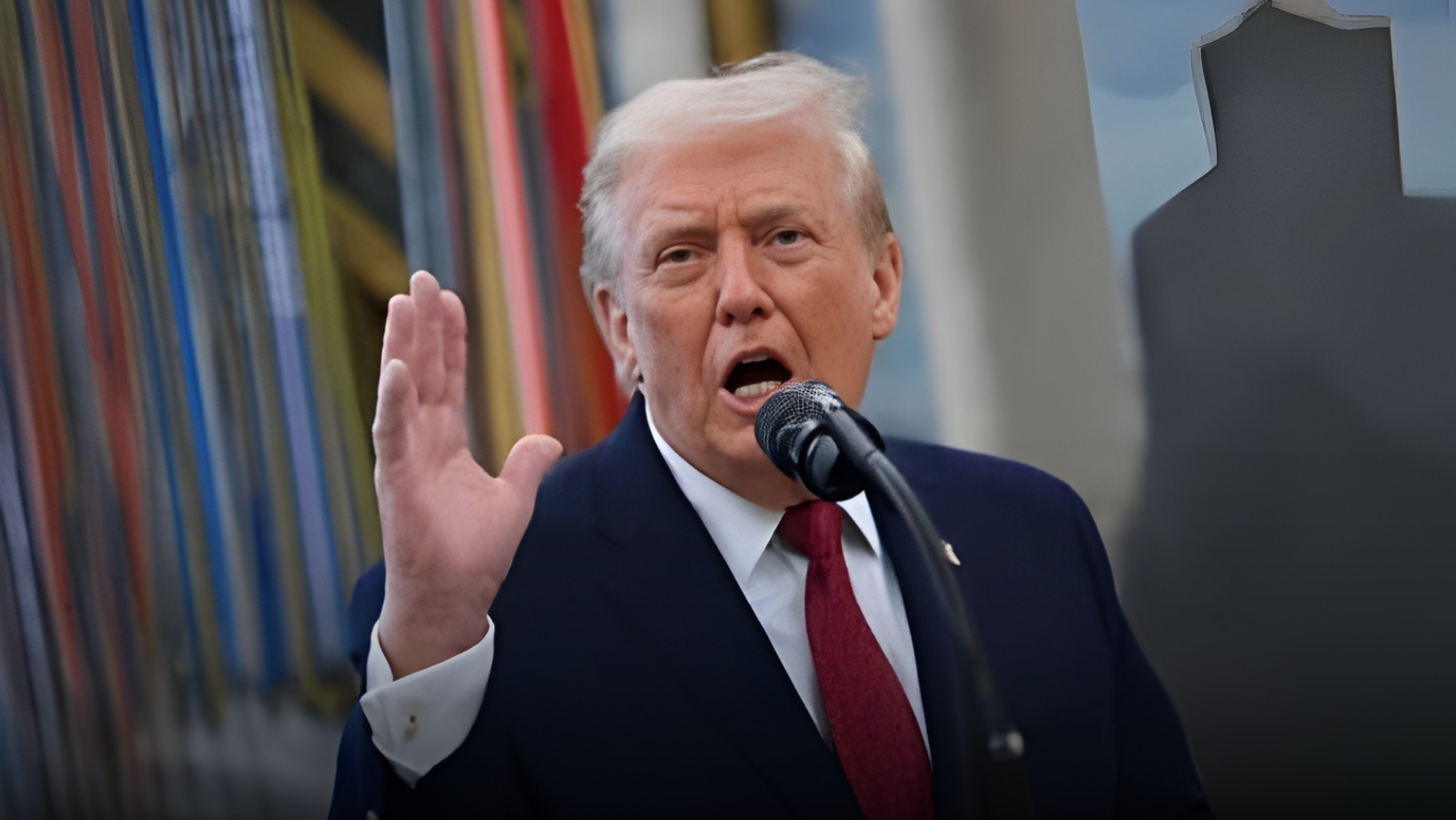
Former U.S. president Donald Trump had previously indicated that Mojtaba Khamenei was among the most likely successors to Iran’s leadership. He had also described such a possibility as “unacceptable,” suggesting that Washington might respond strongly depending on how events unfold.
In remarks made shortly after the leadership announcement, Trump warned that Iran’s next supreme leader “may not last long” without broader international acceptance. When asked about the appointment in a later interview, he responded cautiously, saying that global developments would determine the outcome.
Trump also emphasized cooperation with Benjamin Netanyahu in managing regional tensions, stating that their coordination had already prevented Iran from achieving broader military objectives in the Middle East.
Meanwhile, Iran’s regional allies quickly welcomed the appointment.
The Yemeni Houthi movement, which maintains close ties with Tehran, congratulated the Iranian leadership and people on the selection of Mojtaba Khamenei. In a public message, the group described the decision as a victory for the Islamic Revolution and a setback for Iran’s adversaries.
Military developments in the region have continued alongside the political shift.
Israel’s military announced a new wave of strikes targeting Iranian government infrastructure in central Iran. The strikes reportedly occurred shortly after the leadership announcement, highlighting how closely the conflict and Iran’s internal political transition are intertwined.
At the same time, Israeli forces also reported attacks against positions linked to Hezbollah in Lebanon, a group widely considered to be backed by Tehran.
Iranian media also broadcast images of a projectile reportedly launched toward Israel carrying the message “At your command, Sayyid Mojtaba,” reflecting support for the new leader among some factions aligned with Tehran.
Inside Iran, political and security institutions moved quickly to demonstrate support.
Senior political figure Ali Larijani described Mojtaba Khamenei as capable of guiding the country through the current crisis. He called for national unity and emphasized the importance of standing behind the newly appointed leader.
The leadership of Iran’s armed forces also pledged loyalty, while the country’s parliament speaker described following the new Supreme Leader as both a national and religious responsibility.
The powerful Islamic Revolutionary Guard Corps also signaled support, reinforcing the perception that key institutions within the Iranian system are aligned behind Mojtaba Khamenei.
Born in 1969 in the northeastern city of Mashhad, Mojtaba Khamenei grew up within the political environment created after Iran’s Islamic Revolution. He studied religious theology in the seminaries of Qom and later developed close relationships with conservative clerics and influential members of the security establishment.
Unlike many figures in Iran’s political elite, Mojtaba Khamenei has never held elected office. Instead, he spent years working within the inner circle of his father’s leadership structure, gradually becoming an influential but largely private figure.
His name first gained widespread public attention during Iran’s disputed 2009 presidential election, when opposition figures accused him of supporting security actions taken against protest movements.
Supporters argue that Mojtaba Khamenei represents ideological continuity with the revolutionary principles established by Ruhollah Khomeini and later upheld by his father.
Critics, however, warn that his rise could concentrate power further within a narrow circle and challenge the revolutionary ideals that originally rejected hereditary leadership.
The leadership change also comes during a period of rising military tension. Iranian officials have warned that attacks on the country’s energy infrastructure could trigger retaliation targeting oil facilities across the region.
Such threats have already raised concerns about possible disruptions to global energy markets and the wider economic impact if the conflict expands further.
For now, the appointment of Mojtaba Khamenei signals both continuity and uncertainty. While Iran’s political institutions have quickly rallied behind the new leader, the broader consequences for regional stability and international relations remain unclear.
Analysts say the coming weeks will likely determine whether the leadership transition stabilizes Iran’s political system — or further intensifies the already volatile geopolitical environment.