

Migrants missing Mediterranean crisis 2026
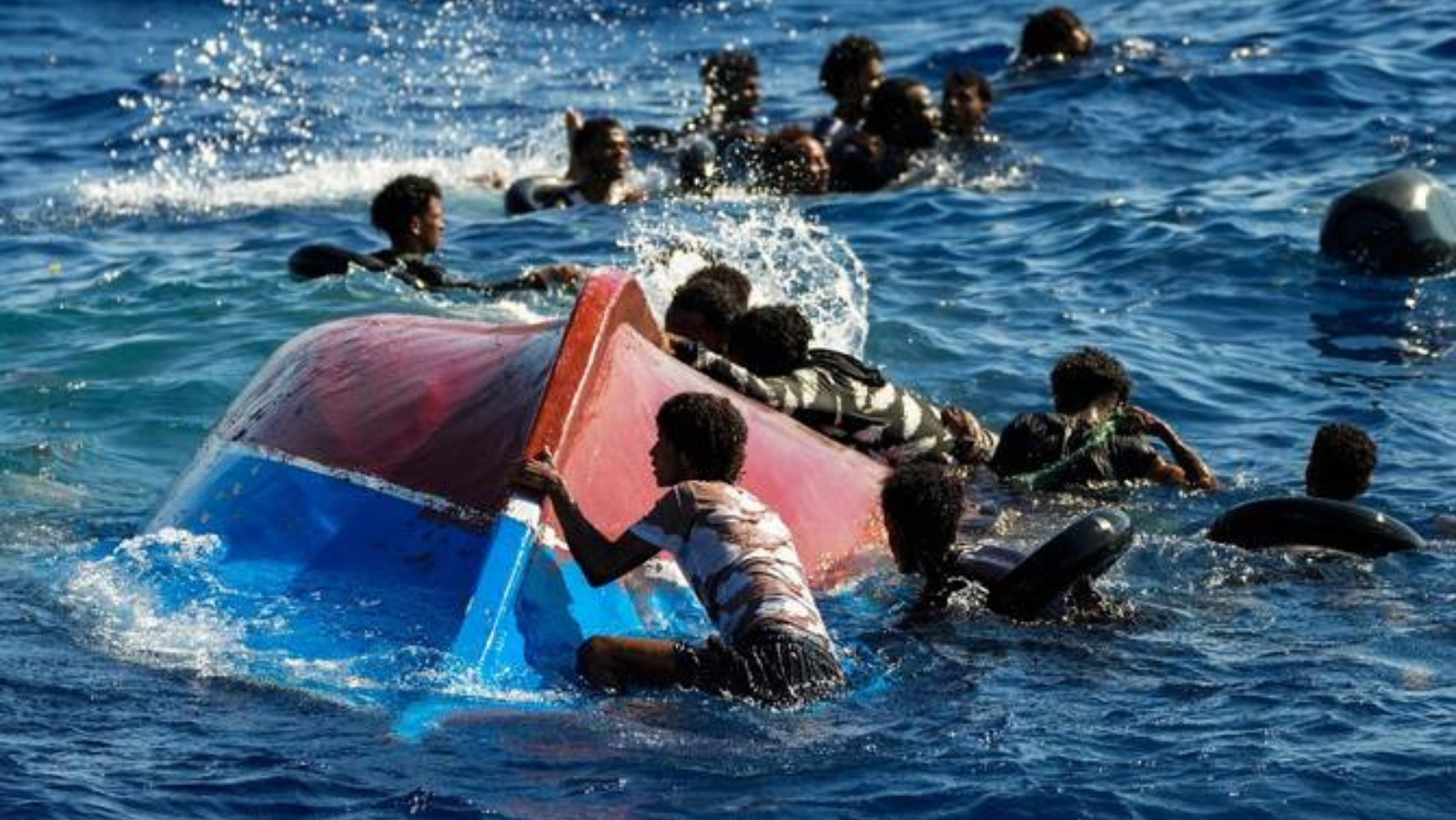
Migrants Missing Mediterranean Crisis 2026 as Death Toll Rises and Data Gaps Widen
ROME, March 17, 2026: The migrants missing Mediterranean crisis 2026 is rapidly intensifying, with hundreds of people disappearing at sea and growing concerns over limited information being shared by authorities responsible for search and rescue operations.
According to international monitoring groups, the start of 2026 has become one of the deadliest periods for migrants attempting to cross the Mediterranean. Hundreds have already been reported missing in just the first few months of the year, and experts warn that the true number is likely much higher due to gaps in data collection.
The situation has drawn attention to what analysts describe as “invisible shipwrecks,” incidents where boats vanish without trace and little to no official confirmation is released.
Rising Number of Missing Migrants
Humanitarian organizations report a sharp increase in cases where migrants attempting the dangerous journey to Europe simply disappear. Many of these individuals depart from North African coasts in overcrowded and poorly equipped vessels, making them highly vulnerable to harsh sea conditions.
Families often lose contact with their loved ones during the journey, with phone calls going unanswered and no official updates provided. In many cases, bodies later wash ashore, while others are never found, leaving families in prolonged uncertainty.
Experts say the lack of reliable reporting systems makes it difficult to determine the full scale of the crisis. This has created a growing gap between confirmed figures and the actual number of lives lost.
“Invisible Shipwrecks” Increasing Concern
One of the most alarming aspects of the migrants missing Mediterranean crisis 2026 is the rise of so-called invisible shipwrecks. These are incidents where boats sink or disappear without being officially recorded by authorities.
Without distress signals or confirmed rescue operations, many of these tragedies remain undocumented. Human rights groups argue that this lack of transparency prevents accurate reporting and limits accountability.
Researchers warn that the phenomenon is becoming more common, particularly in areas where monitoring and rescue efforts are limited.
Declining Transparency from Authorities
A major issue highlighted by aid organizations is the decreasing availability of official information. Governments in key Mediterranean countries have reduced the amount of data shared about migrant rescues and shipwrecks.
This has made it increasingly difficult for journalists and humanitarian groups to verify incidents. In many cases, requests for information go unanswered, further complicating efforts to track missing persons.
Analysts suggest that this decline in transparency may be linked to broader political strategies aimed at controlling migration narratives. However, the lack of data is having serious humanitarian consequences.
Severe Weather Worsens the Crisis
Recent extreme weather events have also contributed to the rise in missing migrants. Strong winds, heavy rainfall, and high waves have made sea crossings even more dangerous.
During such conditions, small boats carrying migrants are at greater risk of capsizing or drifting off course. Rescue operations also become more challenging, reducing the chances of survival.
Experts believe that weather-related incidents may account for a significant portion of unreported shipwrecks, further increasing the number of invisible tragedies.
Families Left Without Answers
For families of missing migrants, the lack of information is one of the most painful aspects of the crisis. Without confirmation of what happened, many are left in a state of uncertainty that can last for months or even years.
Community leaders and activists say that every missing person represents a story of hope, sacrifice, and ambition. Many migrants undertake the journey in search of safety, employment, or a better future for their families.
The absence of clear information not only delays closure but also prevents proper identification and burial of those who have died.
Challenges for Humanitarian Organizations
Humanitarian groups working in the Mediterranean face increasing difficulties in responding to the crisis. Funding cuts and operational restrictions have limited their ability to conduct rescue missions and gather reliable data.
Organizations that previously helped fill information gaps are now struggling to maintain operations. This has further reduced the availability of independent reporting on migrant movements and incidents at sea.
Aid workers stress the importance of restoring access and resources to ensure that lives can be saved and that accurate records are maintained.
Political Pressures and Migration Policies
The crisis is also shaped by political decisions across the region. Agreements aimed at reducing migration have led to stricter border controls and increased enforcement measures.
While these policies are intended to manage migration flows, critics argue that they may also push migrants toward more dangerous routes. This increases the likelihood of accidents and unreported disappearances.
Observers note that balancing security concerns with humanitarian responsibilities remains a major challenge for governments involved.
Uncertain Future for Mediterranean Migration
The migrants missing Mediterranean crisis 2026 shows no signs of slowing down. With limited transparency, rising risks, and ongoing political tensions, the situation remains highly complex.
Experts emphasize the need for improved coordination between governments, international organizations, and humanitarian groups. Better data sharing and stronger rescue operations could help reduce the number of missing migrants.
At the same time, addressing the root causes of migration, including conflict, poverty, and instability, will be essential for long-term solutions.
For now, the Mediterranean continues to be one of the world’s most dangerous migration routes, where hundreds risk their lives in search of a better future. Without greater transparency and cooperation, many of these journeys may continue to end in silence, leaving families without answers and the true scale of the tragedy unknown.